Prehistoric settlement brought to classrooms

 V Herring/Cambridge Archaeological Unit
Children and history enthusiasts can now learn about a prehistoric settlement through a new set of free teaching resources and films.
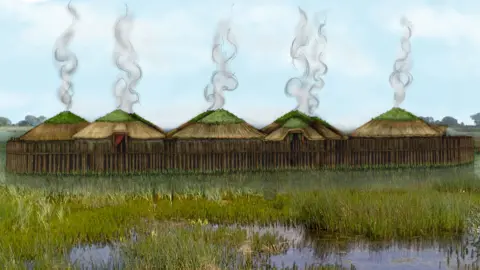
The 3,000-year-old Bronze Age settlement at Must Farm quarry in Whittlesey, in Cambridgeshire, burnt down less than a year after it was built, and a wealth of well-preserved artefacts were discovered.
Developers said the online resources look at how the site was created, how people lived, and how a fire destroyed it.
Dr Chris Wakefield, project producer and engagement officer at the Cambridge Archaeological Unit (CAU), said the material was "designed to help teachers bring the Bronze Age to life in their classrooms".
The settlement, dubbed "Britain's Pompeii", was excavated by CAU between 2015 and 2016.
It had about 10 circular wooden houses and could have been home to 50 to 60 people, according to the CAU's findings.
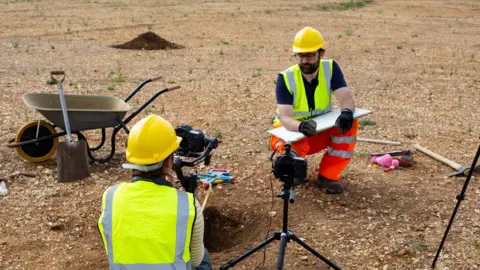
Resources include photographs, artefact images, illustrations and short videos of archaeologists working at the site.
Wakefield said the aim was to also "introduce a new generation to the everyday activities and homes of people living almost 3,000 years ago" at the settlement.
 AncientCraft/Emma Jones
The resources were developed by the Cambridge Archaeological Unit alongside AncientCraft and illustrator Vicki Herring, with funding and support from research and heritage organisations, including Historic England and the University of Cambridge.
Historic England said the material covers the National Curriculum requirement for Key Stage 2 pupils, adding that teachers could share their feedback on the resources.
Kate Argyle, local heritage education manager for the east at Historic England, said: "The creation of these engaging learning resources has been a collaborative project with partners and teachers, who have helped to shape the lessons and ensure that the resources are useful, usable and inspirational."
Do you have a story suggestion for Cambridgeshire? Contact us below.
Follow Cambridgeshire news on BBC Sounds, Facebook, Instagram and X.