The East Midlands is in drought, what does that mean for Severn Trent?

 BBC
BBCThe East Midlands is now officially in drought after the driest July since records began - so what does that mean for the region's main water provider?
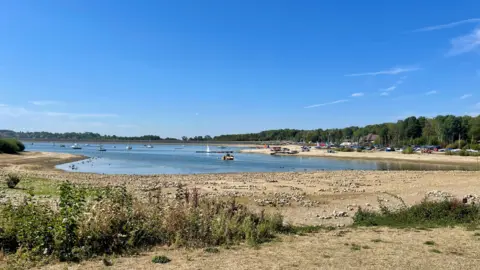
Severn Trent has seen its water reserves dip to 65.3% capacity. Nationally, reservoir storage for England now stands at 66%, down from 69% a week ago.
Storage stood at 85% at the end of June but has fallen steadily in recent weeks, leading to calls from MPs for the prime minister to deal with the "desperately worrying" strain on the UK's water resources by speeding up the rate at which Britain's new reservoirs are built.
Doug Clarke, Severn Trent's water resources strategy lead, said the company was treating more dirty water into clean, usable water and repairing more leaks to keep up with high demand and combat the drought.
But what does that actually mean, and what is the impact on households in the East Midlands?
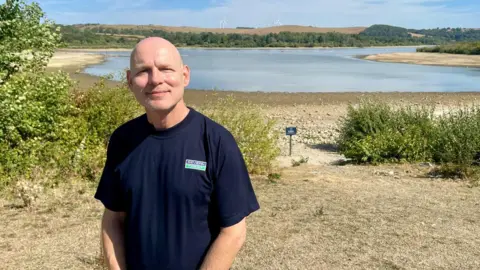
Clarke said Severn Trent - which supplies water and waste services across the Midlands - was prepared for the dry summer and had made long-term water management plans stretching to 2085.
"We're increasing the size of one of our reservoirs down in Warwickshire," he added.
"We've just brought on new treatment works on the River Trent to provide more water supplies."
Clarke, who spoke to the BBC at the Carsington Water reservoir in Derbyshire, said about a third of the company's water supply came from reservoirs, while the rest came from rivers and ground water.
He added the company was planning for "new reservoirs, new treatment works and new connections within our systems to make sure that we can cope with this changing climate in the future".
But he said: "Everyone will have seen the rivers are very low at the moment, the grounds dry and parched, so it's about being careful about using water in the home.
"If every single person just saved a little bit, think of what we can do collectively."
We asked him what that means for households in the East Midlands while the region remains in drought.
Can I fill a paddling pool?
The classic cooldown for kids - and some adults - on hotter days.
Clarke said the water company "does not want to be a killjoy" but it advises households to use smaller ones, and not "fill those great big ones that are almost like a mini swimming pool".
He added people should keep paddling pools "nice and shallow" and use a cover to reuse the water the following day.
"Maybe have a little bucket by the side, so you can wash your feet before you go in," Clarke added. "That'll save loads of water."
Does that mean I can have a bath?
 Getty Images
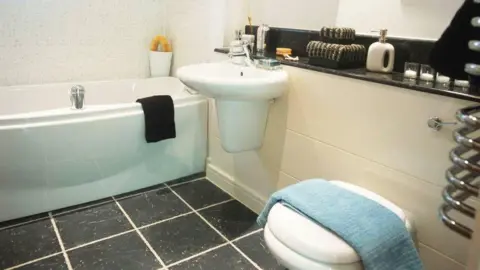
In short, yes. However, Clarke advised people to choose showers over baths to save water and recommended keeping them short.
On the topic of bathrooms, Clarke also said households should check for "leaky loos" and get them fixed.
"We've all got used to those buttons and flushes that can get stuck," Clarke added.
"They can actually lose 400 or 500 litres a day - that'll probably double the typical household usage, just from one leaky loo."
What about household appliances?
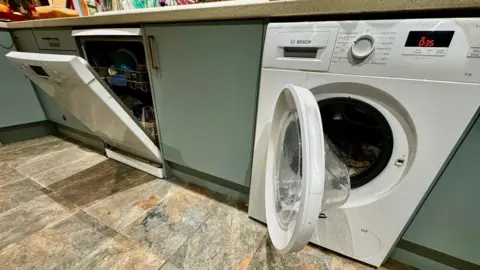
Again, Clarke offered advice on using household appliances, such as washing machines and dishwashers.
He said both should be fully loaded to make effective use of a single wash.
According to Severn Trent, a full dishwasher can be more water and energy efficient than washing up by hand.
Staying in the kitchen, Clarke recommended keeping a bottle or jug of water in the fridge.
He said: "By doing this, you don't have to run the tap each time, waiting for the water to turn cold - you think if everybody did that, it's going to save loads of water."
Is there a hosepipe ban in the East Midlands?
 Getty Images
It may come as a surprise to some, but no.
More than 27 million people in England and Wales have been placed under a hosepipe ban as some water companies struggle to cope with the dry weather and high demand for water, but Severn Trent does not have any plans to impose one. In fact, its last hosepipe ban was put in place more than 30 years ago.
"That's why we're asking people to be careful," Clarke said. "Look after your water usage and we can avoid any restrictions."
He asked people to leave their lawns to go "crispy and brown" and insisted they would grow back once wetter weather returns.
Am I allowed to wash my car?
Yes, but Clarke said: "You can probably get away without washing the car too much."
Elsewhere, Southern Water has applied for a Non-Essential Use Ban (NEUB) in Hampshire and the Isle of Wight, which would include the restriction of cleaning vehicles.
Severn Trent has not taken these measures, but recommends using a bucket and sponge rather than a hosepipe, prioritising the windows, mirrors and lights.
Clarke added: "When it's really hot, all car enthusiasts will know, you wouldn't wash it in the blazing sun anyway."
Listen to BBC Radio Derby on Sounds and follow BBC Derby on Facebook, on X, or on Instagram. Send your story ideas to eastmidsnews@bbc.co.uk or via WhatsApp on 0808 100 2210.