'Mansion tax' could double rates on Scotland's most expensive homes

 Getty Images
Council tax on Scotland's most expensive homes could almost double to £7,700 a year, the Scottish government has said.
Under plans for a so-called mansion tax an estimated hike of £3,600 could apply to houses valued at more than £2m, while those worth between £1m and £2m could face an increase of about £720.
Ministers said the new rates would affect an estimated 15,000 properties - 1% of the country's housing stock.
The government is aiming to introduce the plans, which have been put out for a public consultation, from April 2028.
The mansion tax was a key part of the Scottish government's Budget announcement earlier this year, though the levy would need to be agreed by parliament before it could be introduced.
Ministers say the move could raise between £12m and £16m a year, to be distributed among councils. However, with local authorities expected to collect £3.5bn in council tax revenue in 2026-27, the higher estimate represents an increase of just 0.45%.
Currently, Scotland has eight council tax bands, from A to H.
Rates can be altered by local authorities, meaning they vary across the country.
Under the government proposals, two new bands would be created. Band I would be for homes valued between £1m and £2m, and band J for homes worth more than that.
The average annual bill for households in the current highest bracket - Band H - is about £4,051, according to the government.
The bill for homes in the new Band I could rise to about £4,800 under the proposals.
Houses in Band J face a potential increase to about £7,651.
To determine which homes would fall into the new bands, a "targeted revaluation" would be carried out by the Scottish Assessors on all properties estimated to be worth more than £1m, regardless of their current band.
Ministers have set aside £5m for this process.
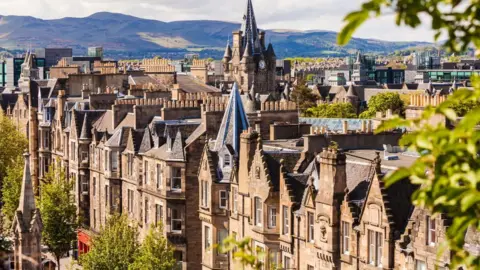
Scotland's high-value properties are not evenly spread across the country. They are concentrated in and around cities - particularly Edinburgh - and some rural areas.
Registers of Scotland data shows there were 391 properties sold for more than £1m in 2024-25 - and more than half of them were in the capital.
Council tax reform
Existing council tax bands are based on 1991 valuations of homes.
There is cross-party agreement that the outdated system should be reformed, but no consensus as to how that should be done.
The Scottish government consulted on reforms during the last parliament, but as of yet no firm plans have emerged.
It said any changes will be made "as part of cross-party discussions with local government".
Announcing the consultations, Deputy First Minister Jenny Gilruth said: "Our approach to tax is based on fairness – asking the wealthiest among us to contribute a bit more.
"As it stands, some multi-million pound properties have council tax bills that are not materially different from those faced by people living in far more modest homes."
The UK government has also announced plans for a "mansion tax" on properties in England valued at more than £2m.
Green MSP Lorna Slater described the launch of the consultation as an "important milestone".
She said: "The mansion tax will raise vital funds for schools, libraries and other local services, while helping to respond to Scotland's housing emergency."
However, Scottish Conservative finance spokesperson Craig Hoy said the mansion tax could put people off buying in Scotland.
He added: "In targeting a small minority of properties, the revenues these new bands would bring in won't touch the sides, and that's before the administrative costs are factored in."