Reintroduction of wild beavers moves closer

 Getty Images
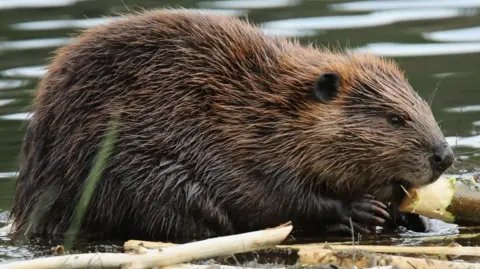
Wild beavers could officially return to a county with an application started for their full wild release.
Nature recovery programme Cumbria Connect said it welcomed Natural England's invitation for the application, which if approved, will mean the mammals will be released into the Eden catchment.
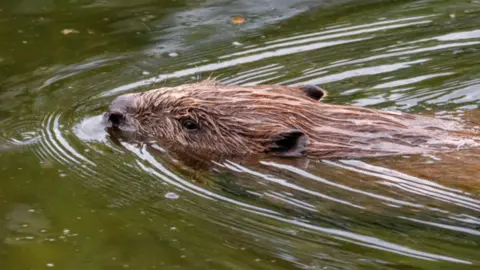
A small population of wild beavers on the River Lowther in the area was already spotted earlier this year, but they were believed to have been released illegally.
Cumbria Connect programme manager Martin Varley said: "Natural England has confirmed that a licensed approach offers the most responsible way forward."
He said fully reintroducing wild beavers would support those that have already been sighted, supporting genetic diversity and establishing a sustainable beaver population.
 Cumbria Connect
The decision follows the successful submission of an expression of interest developed by Cumbria Connect in partnership with the Cumbria Beaver Group and through discussions with Natural England.
The full application will now be developed and submitted to Natural England.
The Eden Catchment covers approximately 2,400 square kilometres and includes the rivers Lowther, Eamont, Petteril, Caldew, and Irthing.
Varley said they would be consulting with "local communities, landowners, farmers, fisheries interests and statutory agencies" during the process.
"We recognise people will have questions and possibly some concerns, and we want to have those conversations openly," he said.
"Experience from elsewhere in England and Scotland shows that where issues arise, there are proven management techniques available, and support can be put in place for land managers."