Beck restored to natural course after 200 years

 BBC
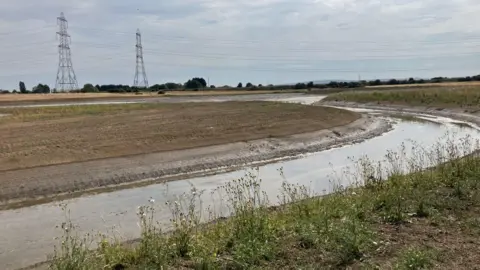
BBCA beck has been restored to its traditional course after 200 years of industrial changes altered its route.
A tidal barrier was removed, reopening the channels of Greatham Beck, in Teesside, to the sea in order to help natural marshland around it to flourish, without increasing flood risk.
The £4.5m Environment Agency (EA) project is the latest stage of the Tees Tidelands Programme which is aiming to help the River Tees estuary adapt to climate change.
Project manager Matthew Rountree said a large area of coastal saltmarsh would now be restored "through natural processes".
He said: "By allowing Greatham Beck to return to its natural form, we are restoring balance to the estuary and allowing the tide to return to areas lost to development.
"Our next steps are seeding the intended grassland and planting 1.7km of species-rich native hedgerow and ecologically valuable treeline."
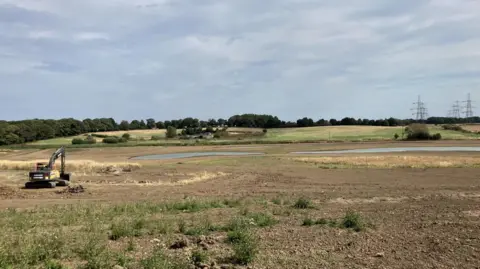
The work will provide a habitat for internationally important species, including curlews and avocets.
There are also hopes migratory fish will return after decades of absence.
Northumbrian Water has contributed £2m towards the Greatham Marsh project.
Follow BBC Tees on X, Facebook, Nextdoor and Instagram and listen to Radio Tees on BBC Sounds.