Avian botulism 'new norm' for nature reserves

 BBC
BBCA conservation group has warned that avian botulism outbreaks will become more common due to climate change after more than a hundred birds died in East Sussex.
The birds died after a suspected outbreak of the disease at Rye Harbour Nature Reserve, according to Sussex Wildlife Trust.
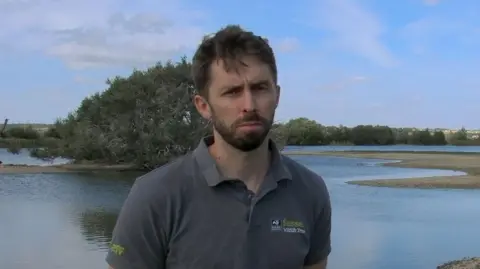
The charity's head of nature reserves, Jamie Parsons, said that as heatwaves and droughts become more common, "more outbreaks are going to come along with them".
"This is something we have to get used to and become resilient to in a changing climate," he told the BBC.
The UK has experienced a record-breaking summer of extreme heat and prolonged dry weather.
A resulting fall in river levels has had a significant impact on wetland ecosystems in the region.
Experts are warning that climate change means the UK is experiencing more frequent intense winter storms followed by heatwaves and droughts in summers.
The consensus among scientists is that human activities are causing climate change.
Avian botulism is a neurological disease caused by a toxin. The bacterium that produces the toxin thrives in warm, shallow, oxygen-lacking water.
The wildlife trust attributed the East Sussex outbreak to recent hot and dry conditions causing "water levels to fall significantly, creating conditions in which the toxin can develop".
Parsons said this had become "the new norm for us as conservationists and land managers".
"It's devastating really," he said. "It's heartbreaking and frustrating.
"The team works so hard to make sure that the reserve is as good as it can be for the species that live here and they put in all that work.
"Then something out of our control happens and causes this disease outbreak," Parsons said.
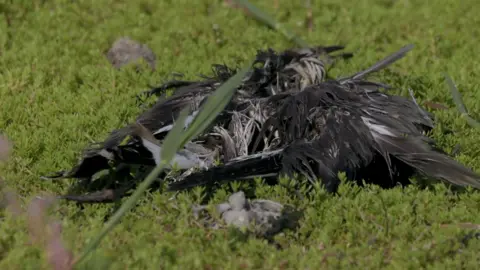
There have been other suspected outbreaks of avian botulism in the UK, including in Bristol.
Visitors to Rye Harbour are being urged to avoid contact with water and not touch sick, injured or dead animals.
Castle Water, covering about half of the nature reserve, has been closed to the public due to the outbreak.
Dr Oluwole Oni, lecturer in intensive animal health at the University of Surrey, said the public should keep pets on leads as animals "wouldn't become infected" if kept away from the contaminated areas.
"If you see any of these birds, you just want to quickly report it to the right authority," Oni said.
Follow BBC Sussex on Facebook, on X, and on Instagram and listen to BBC Radio Sussex on Sounds. Send your story ideas to southeasttoday@bbc.co.uk or WhatsApp us on 08081 002250.