More days above 30C this summer than in 1976

 Getty Images
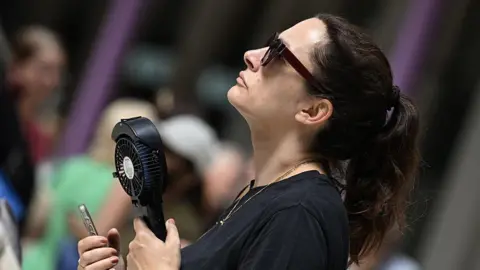
More days have reached at least 30C this summer than in 1976, previously the benchmark for hot summers, meteorologists have said.
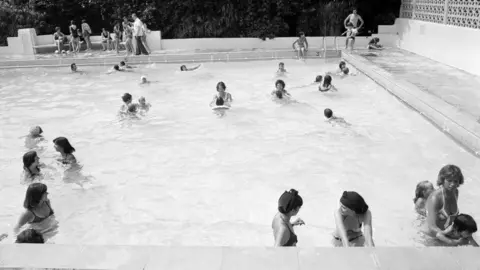
Reading University's Atmospheric Observatory said 15 days this year have hit highs of 30C compared to the 14 days it recorded 50 years ago.
It said five of this year's 15 days were in the top 20 highest temperatures ever recorded at the university since it started collecting data in 1908.
Prof Andrew Charlton-Perez, from the university, said: "For half a century, 1976 was the benchmark every hot summer got measured against. Now 2026 has taken its place."
He said the "continuous extreme heat shows our climate is shifting, not just having a warm spell."
"Summers this hot and dry used to be rare, once-in-a-generation events. Now they will be far more frequent, and that brings real dangers for public health that we cannot afford to ignore."
More than 2,700 people may have died from heat-related causes in England and Wales during the exceptionally hot weather in May and June, experts' estimates suggest.
 Getty Images
Dr Stephen Burt, also from the university, said that behind recent heatwaves, a "serious drought has been building for months."
Less than half the typical average rainfall has been recorded since early March and there have only been 10 days of rain this summer.
"A wet winter has helped keep us going so far, but reservoir stocks in the south and east must be depleting rapidly, and further enforced water restrictions can't be far off," Burt added.
"This is something that will affect all of us, from farmers and gardeners to whole communities, and it's likely to matter for a long time after the current heatwave has passed."