Wildfire risk raises fears over rare species

 Contributed
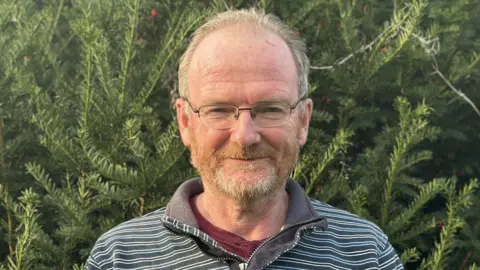
The manager of a nature reserve which is home to rare wildlife has said he is "frightened to death" that a wildfire could break out at his site.
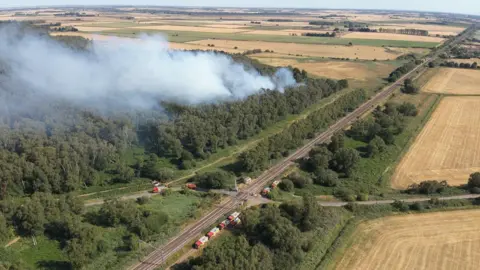
Philip Parker manages Kings Dyke Nature Reserve in Whittlesey, near Peterborough, which is about five miles (8km) from Holme Fen Nature Reserve, in Holme, where a major fire broke out last week.
He said since that blaze took hold, he was terrified of waking up to news the tinder-dry conditions had led to a fire, with a disposable BBQ at Kings Dyke causing a small fire in recent weeks.
He said certain species, including endangered great crested newts, had "struggled this year" as "the ponds where they breed are pretty much all dried out".
The blaze at Holme Fen has been described as one of the county's "most challenging incidents" in nearly 30 years and has burned through swathes of the 660-acre (270-hectare) site.
"I sort of wake up every morning expecting the phone call to say something's happened," Parker said.
The Kings Dyke reserve covers about 120 acres (70 hectares) and is located next to Forterra brickworks, which owns the site.
Parker added that the reserve had recorded a record-breaking number of moths, with 188 species identified during its annual wildlife survey, 32 of those being new sightings.
But that progress could be undermined should habitats be damaged in a fire.
 Cambridgeshire Fire and Rescue Service
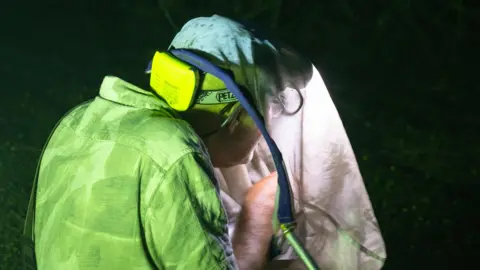
Parker said one of the methods used to see how many moths were at the nature reserve was moth trapping.
"This year particularly was the best moth trapping we've ever done, and we got quite a lot of new species for the reserve, which was really nice," he said.
"One of which was the Scarlet Tiger moth and we actually caught several of them so it's like buses you never get one and then suddenly a load appear at the same time."
More stories from Cambridgeshire
 Sarah Lambert
As part of the annual survey, 1,010 species of birds were recorded, alongside the Norfolk Hawker dragonfly and a small pink wildflower.
Parker said "over 3,400 species" have been seen at the site across the years.
Tim Darling, Forterra's head of land and mineral resources, added: "To see more than 1,000 species recorded over a single weekend is a fantastic achievement and reflects years of careful habitat management and the dedication of everyone involved in the reserve."
Do you have a story suggestion for Cambridgeshire? Contact us below.
Follow Cambridgeshire news on BBC Sounds, Facebook, Instagram and X.