Epilepsy medicines shortages left student struggling to stay independent

 BBC
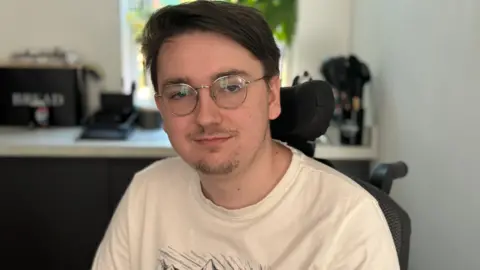
BBCWhen Jack Tolley left home to go to university, he thought it would be the next chapter of his life.
Even after he was diagnosed in his first year with severe epilepsy, he knew regular medication should allow him to manage it.
But shortages of those key medicines left him struggling - "it should just be so simple to get hold of" - and were among the main reasons why he had to leave university and come back home.
"I really struggled with leaving university because of the friendships that I'd made there, because of the people that I had to leave behind, because of this lack of medications," he admitted.
Tolley's epilepsy is very severe - on one occasion he had to be put into an induced coma by doctors after multiple seizures.
To manage it, the 20-year-old takes 17 tablets every day, of four different types of medicines.
When he was at university in Bournemouth, a major issues for him was having to travel between pharmacies to hunt down medication due to shortages.
Unable to drive due to his epilepsy, he said: "I rely on public transport to get to these places but you're also fighting that with the risk of having a seizure."
Away from his home in Stourbridge, in the West Midlands, his life was becoming increasingly difficult with the short supplies and he left univesity earlier this year.
"I wasn't able to go out by myself very often at all because there was too much risk of me collapsing in public or collapsing on a bus and the effects of that could be catastrophic," Tolley said.
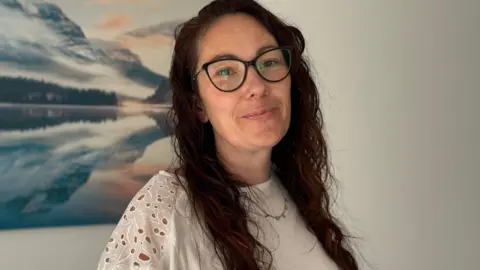
His mother, Rachel Murphy, said she ordered his medication weeks in advance.
The 40-year-old said her local pharmacy was good, but she still sometimes had to drive around chemists to find the different medicines her son needed.
"As a parent our job is to protect our children and if I can't get that medication that I know can save my son's life, it's a horrible feeling. It's very scary," she said.
Murphy and her son are among many families struggling - the National Pharmacy Association said record shortages in recent months include common items like painkillers, blood pressure and epilepsy medication.
Warnings after deaths
The medicines market has never been more volatile, the National Pharmacy Association (NPA) says, with shortages of global ingredients and a competitive international market among many reasons for problems.
The government says most medicines are in good supply, and it is investing to boost UK production.
But the Epilepsy Society wants ministers to have emergency supplies for people with so-called cliff-edge conditions, where missing a single dose of medication can cause life-threatening harm.
Chief executive Clare Pelham added: "We have very sadly been made aware of two deaths, both of young men, where the coroner issued a prevention of future deaths notice because they were so concerned about the impact of medication shortages."
One such notice was issued over the death of David Crompton in Yorkshire and another over Charlie Marriage, who died in London, who both died after being unable to get their epilepsy drugs due to shortages, their inquests heard.
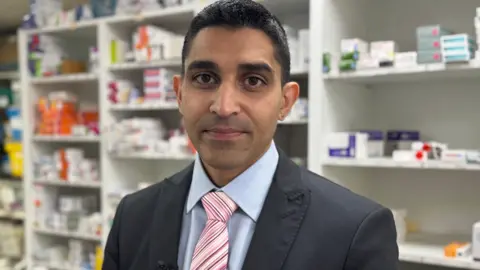
The current situation over availability of medicines is "the worst I've ever seen", according to Sanjeev Panesar
He is superintendent pharmacist at Pan Pharmacy in Sheldon, Birmingham and also a board member of the NPA.
"The amount of time I'm having to invest in trying to source medicines or communicate to patients and surgeries the alternatives and trying to support them - it takes up a lot of time," he said.
"What essentially is happening is we're expected to supply medicines at a loss which is not sustainable.
"So if we're getting paid by the government less money than what we're able to buy the medicines in for, we're running at a loss.
"When you think about the high volume of medicines that we're having to supply for these medicines that are in short supply, that has a massive impact on the operating costs and the viability of us to function as a pharmacy business and as a healthcare provider to the community."
Panesar added they did everything they could to help.
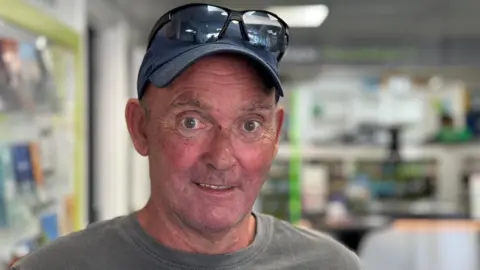
One customer at the pharmacy, Richard Stables, said he sometimes had to go back to his doctor to get alternative prescriptions.
"It's blood pressure tablets, so you could have a stroke or heart attack any second," he said.
"It's a bit annoying [to] keep going up and down, up and down – more stress."
Most medicines in the UK are in good supply, a spokesperson for the Department of Health spokesperson said.
"This government is investing in the UK medicine manufacturing industry to manage supply disruptions where they occur," they added.
"Including up to £520m in the Life Sciences Innovative Manufacturing Fund to boost UK production.
"If you're affected by a shortage, speak to your pharmacist. They can advise whether an alternative medicine or formulation is right for you, or help you find a pharmacy that has it in stock."
But the Epilepsy Society warned that some people with the condition cannot change brands without risking seizures.
Follow BBC Birmingham on BBC Sounds, Facebook, X and Instagram.