Holiday complex at 18th Century country house set for approval

 Buccleuch
Plans by one of Scotland's biggest private landowners to create a holiday complex at an 18th Century country mansion are expected to be approved.
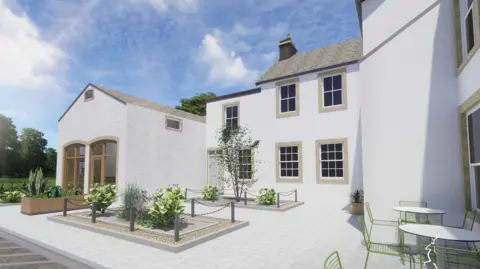
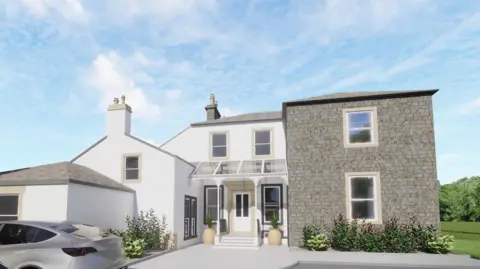
The project would see the conversion and extension of Irvine House near Canonbie in Dumfries and Galloway, with nearly 140 lodges built.
Applicants Buccleuch Estates have estimated the scheme could create about 36 jobs once it is up and running.
Dumfries and Galloway Council's planning committee is being recommended to give the development the all clear.
 Buccleuch
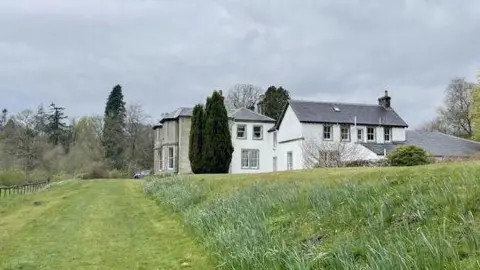
Irvine House is located midway between Langholm and Canonbie on the west bank of the River Esk.
It was built in about 1792 and remodelled about 45 years later.
The plans would see the repair and adaptation of the house to become a welcome centre and holiday accommodation.
In total, 137 holiday lodges - a slight reduction on original proposals - would also be constructed on the surrounding land if the proposals are approved.
 Buccleuch
Buccleuch said the scheme could make a "significant economic impact within the local community and wider Dumfries and Galloway community".
It remains one of Scotland's biggest private landowners despite recent sales to reduce its footprint.
A planning statement said its long-term business objective was to "generate sustainable revenues capable of funding its ongoing stewardship responsibilities".
It added that required "continuous appraisal of new commercial opportunities across its rural estates".