'Neurodivergent women need more space to connect'

 BBC
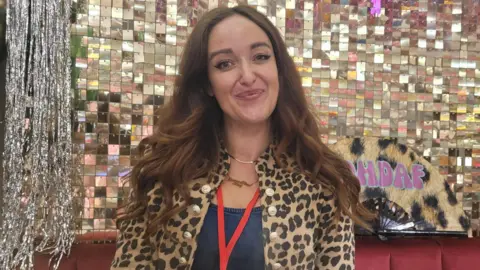
BBCA charity boss has called for neurodivergent women to be given more space to connect to help them tackle isolation.
Laura Mears-Reynolds, founder of charity ADHDAF, was speaking at Sistaland - a new Bristol festival for women, non-binary and trans people who work in the creative industry.
She has launched a peer-to-peer support group in Bristol and London to help women with Attention Deficit Hyperactivity Disorder (ADHD).
Mrs Mears-Reynolds, who is also a podcast producer, said "I realised there are so many women like me suffering, so I felt compelled to make some noise."
ADHD is a neurodevelopmental condition characterised by difficulties with concentration, energy levels, impulsiveness, or by a person's ability to manage their time.
Mrs Mears-Reynolds was diagnosed with ADHD three years ago aged 38 - despite going to her GP with symptoms since she was a teenager.
"I've been going to GPs since I was 14 and got diagnosed with anxiety and eating disorders - but those were occurring alongside my ADHD.
"This is a real women's health issue," she added.
Speaking at the festival over the weekend, she said there needs to be more space for neurodivergent women to support each other.
"When I met them [neurodivergent women], a lot of them didn't know anyone like them.
"They felt isolated and they need to connect to each other, there needs to be more space for them," she added.
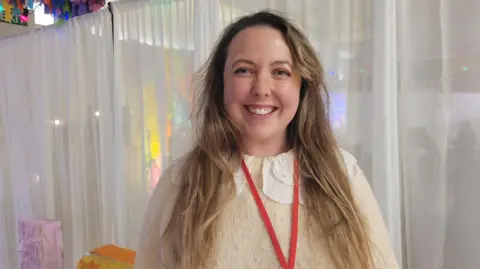
About 150 people attended Sistaland, with speakers including directors, producers and writers.
Nikita Dare, founder of the event, said she wanted to create a safe space for women to discuss pay gaps, health issues and confidence.
"It's funny, people come up to me and say they really needed this, but I need it more than anyone else," Ms Dare added.
"What I loved about this is when I cried during the first speech, someone immediately handed me a tissue. It's a supportive environment."
Abbie Hill, 29, a film producer who has been in the industry since she was 15, also spoke at Sistaland.
"No shade to my male industry friends, but often when I do panels, I'm the only woman speaking at the thing.
"This takes a bit of a barrier away because no matter who you are in the industry and how long you've been in there and how many stripes you've earned - everyone's there for the same reason," she said.
Follow BBC Bristol on Facebook, X and Instagram. Send your story ideas to us on email or via WhatsApp on 0800 313 4630.