Average NI house price now above £200,000
 Getty Images
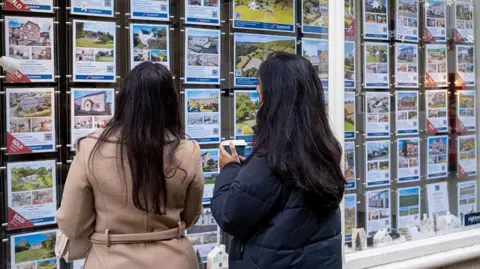
The average price of a house in Northern Ireland has risen above £200,000 for the first time since the property crash of the late 2000s, according to official figures.
In the second quarter of this year the average price was just under £202,500.
That is almost exactly the same price level reached in the final quarter of 2007, just as a property bubble was beginning to burst.
However, the effects of inflation mean that houses are still substantially cheaper in real terms today.
Cheapest vs most expensive places to live in NI
 Getty Images
The figures from the Northern Ireland Statistics and Research Agency (Nisra) show that average prices increased by 2.1% between the first and second quarters of this year.
Compared to a year ago, prices have increased by 9.2%.
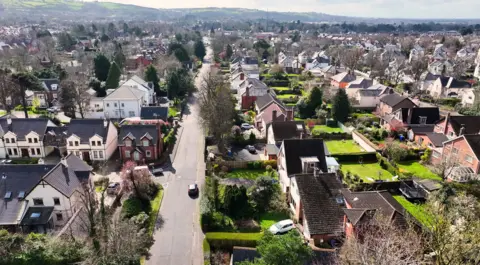
The most expensive local council area is Lisburn and Castlereagh where the average price is now above £240,000.
The cheapest council area is Mid and East Antrim where the average price is just under £178,000.
The average price of a detached house passed the £300,000 mark in the middle of last year and now stands at £312,000.
Semi-detached houses reached a £200,000 average at the start of this year and rose to £204,000 in the second quarter.
The average price of an apartment jumped by almost 6% to £148,000 between the first and second quarters of the year, the biggest quarterly increase since 2013.
'Chronic under supply' driving house prices up
Comparable data from the rest of the UK suggests NI house prices are increasing much faster than in Great Britain.
In some parts of England, particularly London, prices are falling.
Prices in Northern Ireland have been underpinned by a relatively strong jobs market and a chronic under supply of new homes.
New housing completions remain well below pre-pandemic levels, constrained by infrastructure bottlenecks, particularly wastewater network capacity limits.