Teen hackers tell BBC how police are helping them use their skills for good

 BBC
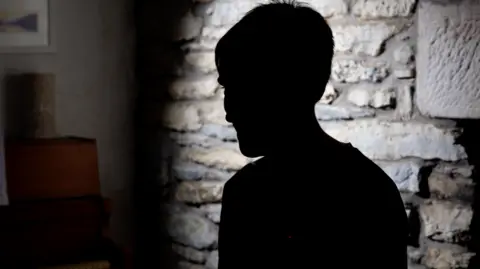
BBCLucas was 16 when he got into trouble for hacking his school computers. Twice.
"It was like a challenge to see if I could," he told the BBC.
He wanted access to play games and visit blocked websites so he started tinkering with programming.
At one point he even unscrewed the computer tower to take some internal components home for tests.
"It's quite a sense of achievement when you've succeeded in doing something that two or three trained professionals have spent a lot of time trying to stop you doing," he said.
He was close to being expelled - but his worried mother had no idea how serious his actions were.
She called the police and invited an officer from the nationwide programme Cyber Choices to their home in rural Cumbria.
"My mum was like, 'ooh, you've got a detective coming to speak to you, you're in a lot of trouble'," Lucas said.
"So I was sat at the window waiting. Who's going to come? How much trouble am I going to be in?"
PC Sam Cooper, a cyber prevent officer, knocked on the door earlier this year and he has been working with Lucas ever since.
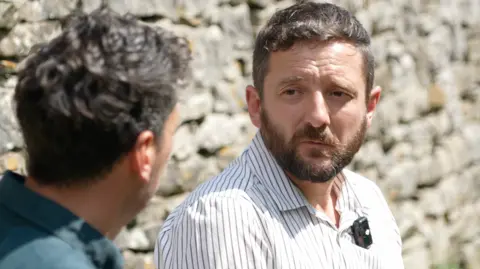
He explained to Lucas, as he has with dozens of other children, there are real consequences and harm caused by cyber-attacks.
Cooper said showing the mostly teenage boys what was legal and not was step one.
Then comes positive encouragement over months of one-to-one meetings, usually at their homes.
"I'll try and find where their interests are and try and divert them towards professional training, qualifications," he said.
Cyber Choices, also known as Cyber Prevent, is like a hacker rehab course.
It works in parallel with the more well-known Prevent scheme, which identifies potential terror offenders.
While at Lucas's house I saw first hand how some of the conversations work.
Lucas enthusiastically explained his latest computer experiments and Cooper asked him what software and tools he was using to check they were legitimate.
Soon the officer will take Lucas on a visit to the local university where he will be shown the cyber security course with the aim of inspiring him to apply.
More than 1,150 cases have been referred to the National Crime Agency (NCA)'s Cyber Choices scheme in the last eight years - nearly 600 of those were in the last three years.
Authorities warn teenage hacking groups are playing an increasingly prominent role in serious cyber-attacks.
Young, English-speaking hackers have been linked to attacks on major organisations including Transport for London (TfL) and MGM Grand in 2024, and Marks and Spencer and the Co-op in 2025.
Individuals are also being increasingly targeted in hacks for their cryptocurrency holdings.
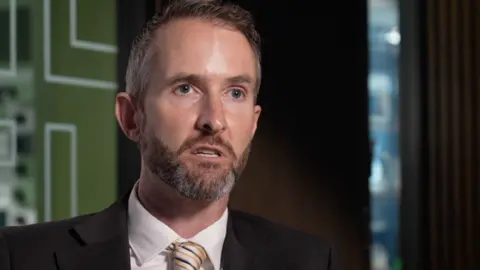
"It certainly has become more of a problem," said Paul Foster, who leads cyber prevention work at the NCA.
"Certainly English-speaking, western world individuals that we know are now more active in cyber-crime."
He said young people were engaged with online activity and devices at increasingly young ages exposing them to criminal communities and influences.
Police say many young offenders do not initially set out to become criminals.
Instead, they often begin by experimenting with technology, testing systems or trying to bypass restrictions before becoming drawn into online communities where hacking is encouraged.
'Majority are neurodiverse'
The children can come from all over the country and from a range of backgrounds, and Cooper said many have autism or are neurodiverse.
"The vast majority of individuals I'm dealing with are neurodiverse," he said.
"Even if they're not labelled as such... they obviously have more affinity with computers than they do with practical and social reality," he said.
"Sometimes they can get fixated on certain goals and not listen to any adults around them, so that's where I come in and sit them down and talk to them."
In 2023, a high profile teenage hacker called Arion Kurtaj, who had hacked Grand Theft Auto maker Rockstar Games, was deemed unfit to stand trial due to his autism.
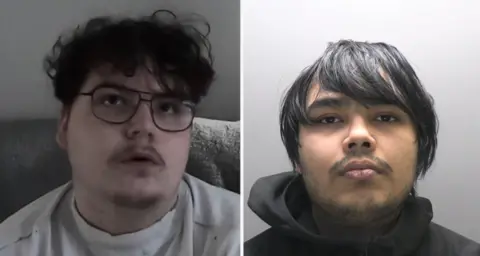
Two teen hackers who were jailed earlier this month for the TfL hack were also autistic - which was taken into account by the judge when he sentence them to five and half years in prison.
 Metropolitan Police
One of them, Owen Flowers from Walsall, had been offered a chance to enrol on the Cyber Choices programme when he first got into trouble shortly after he turned 16.
He refused to engage with the scheme.
Some critics argue that teaching cyber skills to young people who have already shown an interest in hacking risks making them more capable offenders.
In another ongoing court case, it emerged a teenager who had been enrolled on the programme was alleged to have gone on to commit further offences.
Foster said he understood the concern but believes the alternative would be worse.
"My fear is that if we didn't give them something like Cyber Choices, where would they get that input and where would that input take them?"
The NCA hoped it could intervene before curiosity, talent and online influence turn into serious offending.
For Lucas, the fear of having a police officer show up at his door made him rethink things.
He admits that if he had not been caught and helped by the scheme he would have carried on pushing boundaries in his exploration of computers and hacking.
Meanwhile in Leicestershire, 21-year-old cyber-security professional Izak is another Cyber Choices success story.
At 15 he hacked his school computers so he could make graphic designs in Photoshop, but he also found himself drawn into cyber criminal groups online who were making "lots of money".
A visit from Leicestershire Police got him onto the programme and helped him see cyber-security as a possible job opportunity, by encouraging him to "use my cyber skills for good".

Sign up for our Tech Decoded newsletter to follow the world's top tech stories and trends. Outside the UK? Sign up here.