Hairdresser introduces dementia-friendly practices

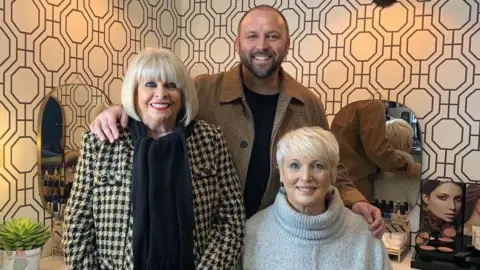 Tim Scott-Wright
For 30 years, every few weeks, they have sat in the same chair.
Tim Scott-Wright has cut their hair before weddings, holidays and life events. He has watched his clients' children grow up, careers come and go, and friendships form across the salon floor.
Now, as many of his longest-standing clients grow older, he says he is helping some of them through one of their most difficult chapters - living with dementia.
"One hairdresser saw clients through births and marriages, another through menopause, and now I see them through dementia and hip replacements."
Scott-Wright, who owns The Hair Surgery in Stourbridge, said it was impossible not to notice when familiar faces began to change.
Clients who had never missed an appointment started forgetting them. Conversations they had shared just minutes earlier would be repeated.
Some became anxious or disorientated in surroundings they had known for years.
Rather than turning those customers away, he decided the salon needed to adapt to them.
 Getty Images
Tim developed an early understanding of dementia after previously working in a care home during his hairdressing training. His mother also cared for dementia patients when he was growing up.
This knowledge became increasingly valuable as more of his clients began facing memory loss.
"There was little changes that I'd noticed [like] perhaps they might forget their PIN initially, but that's something that we all do.
"Then I was noticing phone calls to the salon asking when their appointment time was, although they've held that appointment every week for the last 30 years.
"There was also things like repetitiveness during a 40–45 minute service, where you might be going over the same conversation two or three times during that visit."
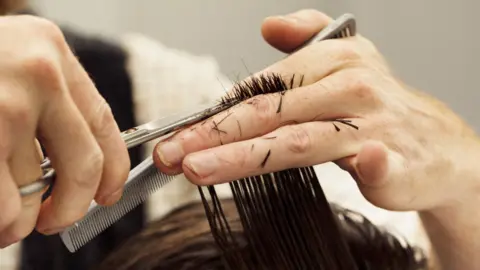
He introduced dementia-friendly practices so clients could continue visiting the salon for as long as possible. Staff are trained to give people space, avoid correcting repeated conversations and quietly reassure anyone who becomes confused.
"I felt it was important that the staff got an understanding and not be scared of what was going on, and look after them as they always have done.
"It wasn't so much about changing the space, but making sure that staff were aware of where these clients were at all times."
If another customer notices unusual behaviour, they are discreetly told what is happening. The hairdresser said preserving a person's confidence was just as important as cutting their hair.
"A hairdo isn't just a hairdo. It's some way of them recognising their loved ones as the person they were.
"These people have been vital members of society, and they deserve to look great still as well."
Scott-Wright has now been named a finalist in the Community category at the 2026 Most Wanted Awards, run by hairdressing magazine Creative HEAD, due to the dementia-friendly practices at his salon.
The winners of the awards will be announced in October.
Follow BBC Birmingham on BBC Sounds, Facebook, X and Instagram.