Inspectors will not attend mass cattle cull after threatening phone calls

 Getty Images
Scottish government inspectors will not attend a cull of 271 cattle after they received threats online and through phone calls to their office.
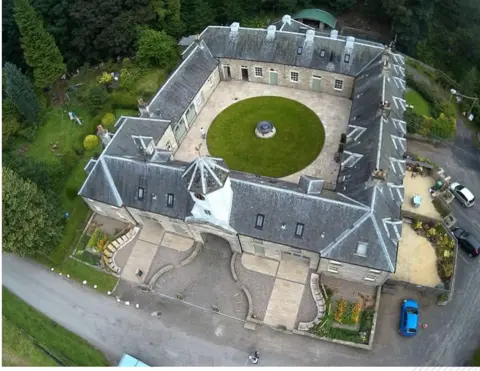
Falkland Estate in Fife made the decision to slaughter the animals after its farm failed to register them properly, meaning the cows could not enter the food chain.
The Scottish government initially said it would attend and verify the cull, but has reversed the decision after people called its office trying to find the names and addresses of inspectors.
In an email to the estate seen by BBC Scotland, the government said it had not taken the decision lightly and would be verifying the slaughter by means "other than being present on site".
The BBC understands the cull could be one of the largest cattle slaughtering incidents of its kind in Scotland.
The Scottish government email said there had been "attempts to find out the names and addresses of the inspectors via calls to the office and threats to our inspectors on social media".
A source from the estate said carrying out the cull without government support would "place a significant burden on our staff."
They told the BBC: "In a meeting we were told an inspector had to be present and now the government says they aren't prepared to send someone.
"Not having that help will make this already awful process even more difficult.
"We now have to leave this in the hands of someone who is inexperienced and uncertain about what information the government requires about the cull.
"If it is unsafe for the government inspector to be here, does that mean the government considers it unsafe for our staff and other people involved in the process to be on site as well?"
 Falkland Estate
When approached for comment, a Scottish government spokesperson: "We do not comment on individual staffing matters.
"The safety of staff carrying out official duties is extremely important and we will take very seriously any threats or abuse towards them."
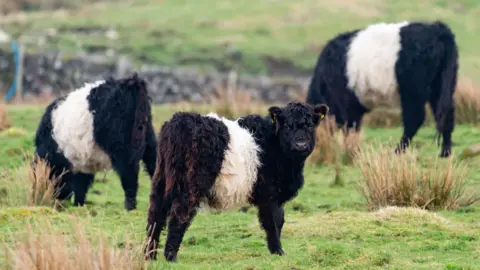
It emerged last week that that Home Farm, which is based at the estate, had failed to register their Aberdeen Angus and Belted Galloway cattle as required by the Scottish government under disease prevention rules.
That meant the herd was unable to enter the food chain and the business said it had "taken the difficult decision to slaughter the animals".
On Friday, Ninian Stuart, chair of Falkland Rural Enterprises Ltd, said: "This is an unprecedented and deeply distressing situation for everyone connected with Home Farm, Falkland Estate, and the wider local community."
The National Farmers' Union (NFU) Scotland previously said it was a "deeply sad situation" but they could not comment further on an "ongoing regulatory matter" that relates to the alleged actions of an individual business.
What are the rules for tracking cattle?
Strict rules govern how cattle are identified and tracked to protect public health and limit the spread of disease.
All animals must carry official ear tags and have a fully traceable history.
Farmers are required to record every movement on ScotEID, the national database used to monitor livestock.
Authorities rely on the system to trace animals quickly in the event of an outbreak.
Calves must be tagged within set deadlines, with tighter rules for dairy cattle than beef.
All livestock holdings must be registered, and every sale, transfer or slaughter reported.
Inspectors check records against ScotEID and carry out on‑farm inspections to ensure the rules are being followed.
Animals that cannot be properly identified or traced are classed as non‑compliant.
They cannot enter the food chain and are typically placed under strict movement restrictions, preventing them from being sold or moved.
In the most serious cases, keepers may have to slaughter animals that do not meet the legal requirements.