Alcohol ban introduced at five local hospitals
 Royal Liverpool University Hospital
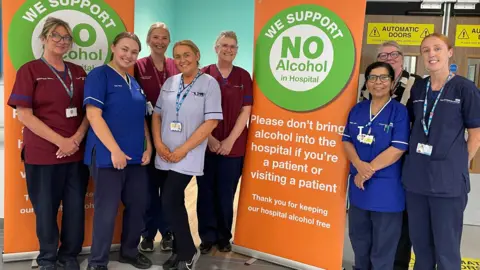
A formal alcohol ban is to be introduced across five Liverpool hospitals.
Staff will ask patients, visitors and employees to hand over alcohol so it can be disposed of, while security may be called if they refuse.
The ban follows concerns that patients were buying alcohol from nearby shops and bringing it back into hospital where it could interact with medication, cause problems with wound healing and hinder patients' recovery.
Nearby off-licences and other retailers are also being asked voluntarily to refuse sales to known hospital patients, or when they suspect alcohol is intended for someone receiving treatment.
Liverpool City Council said 4,943 alcohol-specific hospital admissions were recorded in the city in 2023-24, up 9% on the previous year.
Between 2020 and 2024 there were 460 alcohol-specific deaths recorded in Liverpool, while admission rates were 2.9 times higher in the most deprived communities than in the least deprived.
The council added that alcohol-related harm remains one of Liverpool's most significant public health challenges.
Dr Paul Richardson said hospitals were "places of healing" and alcohol "really does not play a part in that".
Patients will continue to receive care regardless of alcohol dependence, with specialist Alcohol Care Teams available to assess people at risk of withdrawal and arrange further support.
Richardson said alcohol dependence should be recognised as "a chronic medical problem" and treated "with care and dignity".
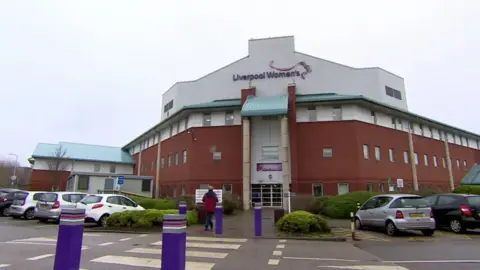
The policy will cover the Royal Liverpool University Hospital, Aintree University Hospital, Broadgreen Hospital, Liverpool Women's Hospital and Liverpool Heart and Chest Hospital.
University Hospitals of Liverpool Group said staff training, signs and communications work were under way, with the policy taking effect after its formal approval and implementation process was completed.
Incidents will be formally recorded and surrendered alcohol will not be returned. Repeat or serious breaches by visitors may be dealt with under existing hospital safety and security policies.
Fake patients used to expose scale of problem
The approach forms part of Hospital Watch, a partnership involving the hospitals, Liverpool City Council, Trading Standards and local businesses.
The council said the initiative began in 2017 following concerns that patients were bringing alcohol on to the premises while receiving treatment.
During an early test-purchase exercise, actors wearing hospital gowns and fake intravenous lines attempted to buy alcohol from nearby off-licences.
Liverpool City Council said 82% of the retailers tested sold alcohol to people posing as patients.
After the businesses received training and information, all participating retailers refused to sell alcohol during a later follow-up exercise.
Richardson, a consultant liver specialist, said the actors had been dressed so they were "quite obviously" hospital patients.
Officials said the absence of a group-wide policy may previously have left staff less confident about challenging alcohol use, contributing to inconsistent implementation and differences between clinical areas.
Listen to the best of BBC Radio Merseyside on Sounds and follow BBC Merseyside on Facebook, X, and Instagram. You can also send story ideas via Whatsapp to 0808 100 2230.