Heatwave winners and losers in RHS Wisley trial

 Getty Images
Experts at a Surrey gardens have given advice on how to treat plants as a fourth heatwave gets under way in the South East.
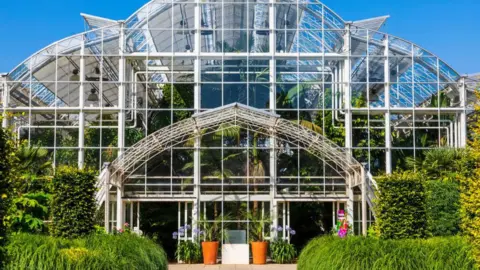
The Royal Horticultural Society's (RHS) Wisley garden in Surrey, which has had no rain for nearly six weeks, said while it was being affected by the dry weather, planting had evolved to stand up to drought.
RHS horticulture director, Tim Upson, said the plant trials part of the garden showed Persian roses and baptisia were drought tolerance winners while sweet peas were losers.
The UK Health and Security Agency heat-health alert for South East England rose to amber, prompting Ashford & St. Peter's Hospitals NHS Foundation Trust to ask visitors to bring cool water.
Many areas of the Wisley garden were being left without irrigation, to minimise water use to ensure crops, and the garden was beginning to see leaves fall off on cherries and other plants.
But Upson said wild carrots were "looking great", and crape myrtles were flowering well in the heat.
He added: "We have future-proofed with such plantings so we have colour even in the heat and drought by making the right selections."
RHS chief horticulturist, Guy Barter, said gardeners across Kent, Surrey and Sussex could follow Wisley's lead by focusing on watering plants which must be watered, and composting or cutting back anything "past the point of no return".
He said: "It is also worth delaying summer seed sowing to prioritise water where it's already needed and think about what you should grow in 2027 - perhaps prioritise those crops less readily available in the shops and less thirsty.
"It's all about eking out the last of the water supply you might have in your garden until daylight hours reduce next month and plants become less thirsty."
Follow BBC Surrey on Facebook, X, and Instagram and listen to BBC Radio Surrey on Sounds. Send your story ideas to southeasttoday@bbc.co.uk or WhatsApp us on 08081 002250.