Study examines changes to pub life over 125 years

 EPA
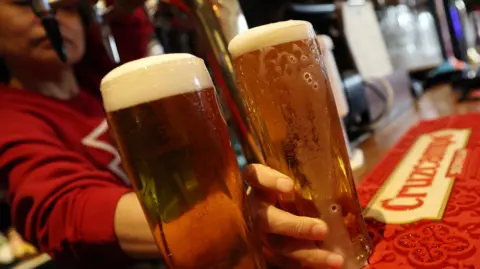
EPAOver a century after the publication of a landmark report into social life and poverty, researchers are looking to compare modern day habits with those of the early 20th Century through the prism of the pub.
The team from the University of York believe studying the shifting behaviour of pub-goers can reflect broader social change.
The project will build on Seebohm Rowntree's 1901 study of York, which used pubs as an indicator of the city's social cohesion and economic health.
Professor Victoria Wells, co-author of the study, said examining people's relationship with the pub would provide a "vital insight into the economic and social well-being of York".
She added: "We want to see how people have changed their use of pubs, but also how they feel slightly differently about pubs."
Wells said in Rowntree's day, the public houses were "rowdy, lively and quite violent places", soemthing she expected had changed somewhat over the intervening 125 years.
She said her team were interested to see why people were drinking less, as well as when, why, with whom people go to the pub, and how that has changed since the turn of the 20th Century.
"Rowntree's landmark study wasn't just about numbers; it was about how people lived their lives," she said.
"By understanding why people visit, or stop visiting, these hubs, and what they do in them we gain vital insight into the economic and social well-being of York."
The research comes at a time of uncertainty for the UK's hospitality sector, in particular its public houses.
According to research from the British Beer and Pub Association (BBPA), two pubs closed every day in the first quarter of 2026, whilst 336 shut last year across England, Scotland and Wales.
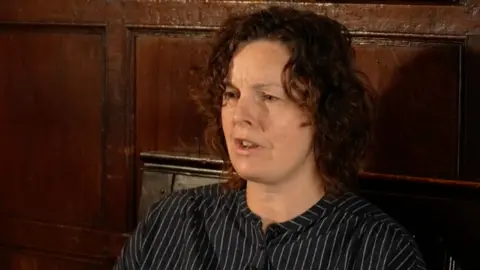
Co-author of the report, Dr Nadine Waehning, said the closure of pubs can be "devastating".
"Closure means the loss of a community hub, where social cohesion and capital can be built, severely affecting opportunities for sociability and exacerbating loneliness," she said.
"By comparing our modern findings with Rowntree's historical data, we can identify how the cost-of-living crisis is reshaping our social landscapes."
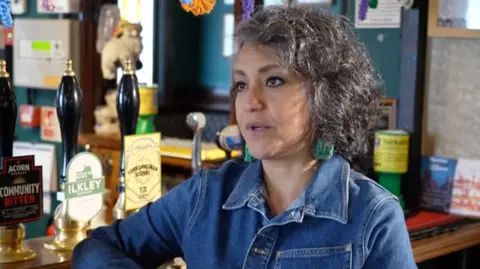
Denise Mackenzie, who runs the community-owned Golden Ball, in York, said in light of pub closures - having a loyal customer base was vital.
"It's really important to have that support, and to have people that want to come in here, invest and spend money and keep us running," she said.
Mackenzie said she has put on special nights, including live gigs, Latina nights and open-mics to draw people in through her door.
From housing and wages to the impact of the cost-of-living crisis, the University of York's project will examine how the struggles of 1901 mirror or differ from the pressures of 2026.
Researchers are looking for participants aged 18 and over from across the city to short questionnaire regarding their drinking habits and pub visits.
Listen to highlights from North Yorkshire on BBC Sounds, catch up with the latest episode of Look North.