Beach mine dumps still pose eco risk, study finds

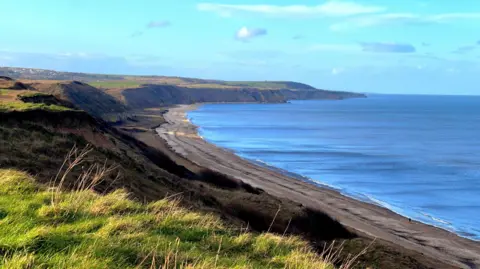 Diamond Dust/ BBC Weather Watchers
Mining waste dumped on beaches in the 20th Century continues to pose an environmental risk, a study suggests.
Prof Ian Burke at the University of Leeds and his colleagues collected and analysed sand samples from 23 locations across the Durham coastline.
Waste produced from the processing of coal had been dumped on to local beaches until the 1990s, he said. Through their analyses, the team estimated only 5% of the waste now remained on the beaches, with the rest having been swept up by the sea.
Burke said the contaminants found on the beach were unlikely to pose a risk to humans but could impact marine fauna and disrupt ecosystems.
Waste, which contained potentially toxic elements such as arsenic and zinc, was dumped on to beaches so it would be taken away by the tide, said Burke. But this practice was relatively unique to north-east England, he said.
"[The] disposal of mine waste at sea is not common practice," he said. "We tried to look for lots of examples but we didn't really find any."
Burke said Horden and Blast Beach experienced the most extensive dumping in County Durham.
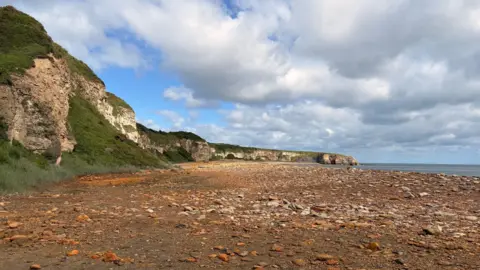 Bethany White/BBC
The team analysed the sand samples for concentrations of potential toxic metals.
Burke said the levels of contamination discovered were unlikely to kill marine life but could have "more subtle" effects on ecosystems.
This could include a rise in the concentration of certain metals found in local organisms such as seaweed.
The team is now looking into the effects of mining waste on local seaweed, as well as preparing a study into how historic mining might have affected beach sand sediments across the wider North East region.