Council defends dementia and youth service cuts

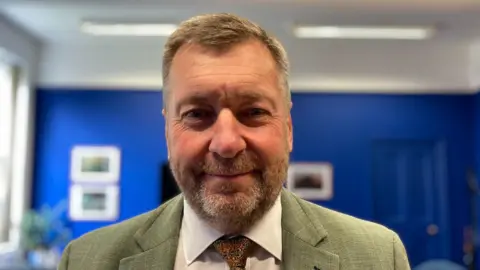 BBC
BBCCuts worth £1m a year, including the closure of a dementia support service, have been defended by Lincolnshire County Council.
The savings are being made in areas including the Memory Support Service and grants to youth clubs.
Councillor Sean Matthews, who leads the Reform UK administration, said services were "not being cut" and those affected were duplicating others.
But Conservative opposition leader Richard Davies described the moves as "incredibly short-sighted".
There are an estimated 13,000 people aged 65 and over with some form of dementia in Lincolnshire.
That figure is expected to rise to 15,592 people by 2030 and 21,215 people by 2045, according to the Lincolnshire Health Intelligence Hub.
The Memory Support Service, which provides support and advice for an average of 250 patients a month, is due to close at the end of June after the council withdrew funding worth £300,000 a year.
Matthews said the authority took dementia care "very seriously" and was creating a new dementia strategy to bring services together.
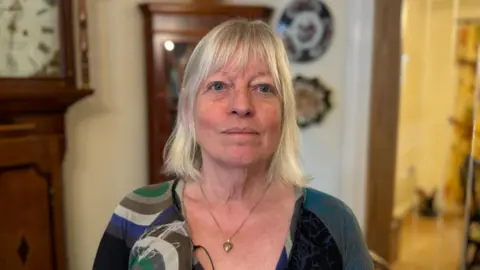
Chris Suich from Louth, Lincolnshire, set up Bob's Brainwaves, a dementia advice charity, after her husband was diagnosed with early onset dementia.
She said the changes would "put a big onus on the charity sector".
"I'm flat-out with the demand and the number of people being diagnosed is only going to go up," she said.
Funding has also been withdrawn from the Safe Families service, which helps families with children at risk of going into care, saving the authority £133,000 a year.
In addition, Lincolnshire Youth Services Council, which runs two youth clubs and gives grants to others, has lost a grant worth £100,000 a year.
Its chairman Richard Craig said it would have "a huge, huge impact" and that "youth clubs could close".
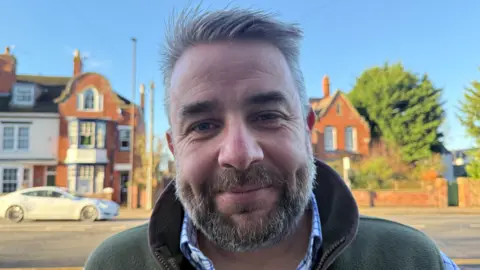
Councillor Steve Clegg, executive member for adult care and health, said the authority continued "to provide a wide range of support and positive activities for young people" and was putting together a new strategy.
Matthews insisted that savings were "only made if services can be improved or duplicated elsewhere".
"We were elected to reduce waste, save money and cut the huge debt that we've been left with and these sorts of duplications are not necessary," he said.
Davies said the council did not "want to deliver the services" and that "the impact of cutting these preventative services will be felt further down the line".
Listen to highlights from Lincolnshire on BBC Sounds, watch the latest episode of Look North.
Download the BBC News app from the App Store for iPhone and iPad or Google Play for Android devices