Call for NHS 111 change after care home fall death

 Google
The death of a woman following a "downplayed" fall in a care home has prompted a call for changes to how NHS 111 responds to calls.
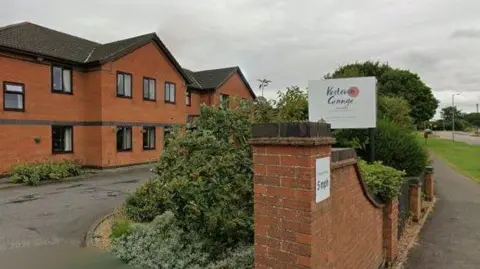
Christine Clegg, 79, died after an unwitnessed fall which led to a traumatic brain injury at Kesteven Grange Care Home in Hull in June 2025.
A staff member from the care home told NHS 111 Clegg had "put herself on the floor" and had a "bump" on her head, which led to the call operator following a script for "scratches, grazes or minor wounds" and "basic first aid advice" being given.
In a report, assistant coroner Sally Robinson advised all head injuries should be excluded from the script, meaning advice would be sought from a clinician.
Currently, the script for scratches, grazes or minor wounds can be used for head injuries, and was used in Clegg's case.
The call ended in basic first aid instructions being issued, but Clegg suffered a traumatic subdural haemorrhage, and she deteriorated and died in hospital, the coroner said.
However, in a prevention of future deaths report, Robinson said if the head, facial or neck injury script had been followed instead, the outcome would have led to the carers speaking to a clinician.
Robinson said: "If injuries above the neck were excluded from the scratches, grazes and nicks pathway then the possibility of basic first aid advice being given is eliminated, as all head injuries answered, result in clinician advice being sought."
'Biased information'
In the report, Robinson said: "The situation appears to have been downplayed and information passed to the operator which was biased information, suggesting Mrs Clegg had placed herself on the floor when in fact she had fallen from a bed, and which caused the wrong script to be followed by the operator.
"The head injury was actively bleeding and the script which should have been followed was that of head injury, but instead, because of the information given by the care staff, the script which was followed was the scratches, grazes or minor wounds pathway."
Robinson said this led to a "different outcome to the one the correct pathway was likely to recommend, which was to seek clinical input".
The report has been sent to Yorkshire Ambulance Service NHS Trust and NHS Pathways, advising them to exclude all head injuries from being included in the "scratches, grazes and nicks" script.
NHS England and Kesteven Grange Care Home have been approached for comment.
Listen to highlights from Hull and East Yorkshire on BBC Sounds, watch the latest episode of Look North.
Download the BBC News app from the App Store for iPhone and iPad or Google Play for Android devices