BBC South presenter learns how to 'Float to Live'
The RNLI is urging us to stay safe by the water as schools break up for the summer holidays.
More than a dozen people have drowned in water-related incidents across the UK so far this year, mainly due to several heatwaves this spring and summer.
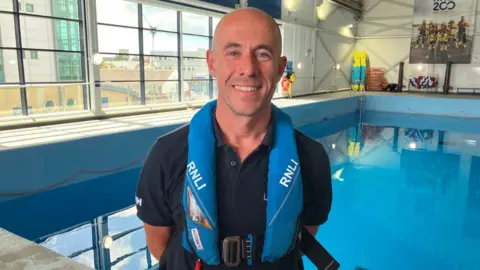
"If you see someone else in trouble you want to remember, Phone, Float, Throw," says Ross MacLeod from the RNLI.
"So you want to phone 999, tell that person to flip on their back and float and throw that person something buoyant, so a piece of public rescue equipment or a football for example, it can just buy those vital few seconds until hope arrives."
As well as Phone, Throw, Float, The RNLI says the Float to Live technique has saved at least 50 people who have got into difficulty in the water.
I joined other reporters at the RNLI's sea survival pool at their Dorset HQ to learn first-hand what Float to Live is.

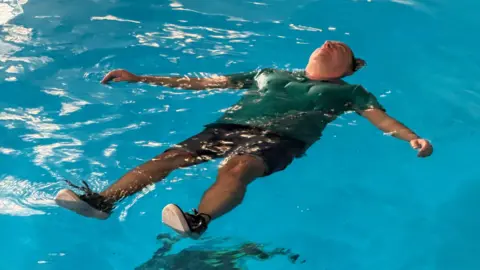
I jumped into the pool and was met by Maisie Rafferty, who is one of the RNLI's beach lifeguards.
"If you do find yourself in difficulty in the water, the first thing to do is remain calm, tilt your head back so your ears are fully submerged in the water," she said.
"This will keep your mouth and your nose out of the water."
"Then you are going calm your breathing, stretch out your arms and legs, find your float, your legs my sink a little bit, but that's OK.
"When you're comfortable and relaxed, put one hand in the air, shout for help or if you can, swim to safety."
Being in the water was an eerie experience, I like to think of myself as an experienced and confident swimmer, but it was still daunting and I was constantly reminded that the water is always in charge.
Baltazar Cabral Lay Da Costa from Oxfordshire was among those who died during the heatwave across the country at the end of May.
"Our thoughts are with all the families who've lost loved ones to drowning particularly during the May and June heatwaves, which really puts into focus why it's so important to have that conversation about water safety," says MacLeod.
"With the hot weather, it draws more people to the water, but the water is still cold so it's really important that people think about how to stay safe and know what to do in an emergency."