Contaminated cocaine and heroin batches cause alarm

 BBC
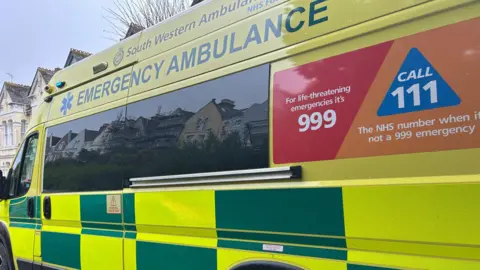
BBCTwo batches of contaminated cocaine and heroin have been reported in a county in the space of two weeks.
The incidents in Somerset have prompted a call for a debate around whether there should be more widely available checking of drugs for contamination.
Alison Bell, director of public health at Somerset Council, said "more harm" was being caused to drug users by the contaminated batches which was giving her "really significant concern".
A Home Office spokesperson said it was "committed to driving down drug-related harms and deaths" and was on high alert in regards to emerging drug threats.
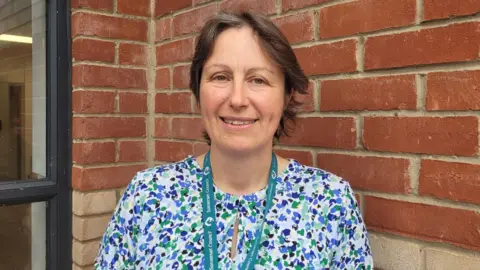
Bell said alerts over contaminated batches of drugs come from professionals including ambulance crews, police, homeless hostel workers and other NHS staff.
Professionals report to public health officials if they notice that a drug user has overdosed and does not respond to normal treatment.
Public health officials monitor these reports, and assess if a pattern is occurring and how to reduce the risk of harm to drug users.
Bell said this strategy included contacting known drug users and making professionals aware that patients might need multiple doses of a reversant like naloxone, if they have overdosed on contaminated drugs.
Bell believes wider access to testing of drugs for contamination should be discussed.
"Because the substances are illegal, there is no quality control," she said.
"With illegal drugs, you have no idea what you're taking, and therefore you don't know what harm it's likely to cause you."
She said that, while she does not condone drug use, she wants to "minimise the risk of harm to people who are ill and addicted to drugs".
Currently, testing of drug samples – such as at festivals or nightclubs – is legal only under a Home Office licence, and substances are not returned to users.
The government said it would not usually license a service that provides personalised results to users, if the service is aimed at young people or people who are not drug-dependent.
Some who oppose drug checking say it has the potential to normalise the use of dangerous substances.
Criminology professor Fiona Measham, of Liverpool University, has set up the UK's first dedicated drug-checking charity, The Loop.
Measham said that drug checking was enormously valuable and has helped to reduce the number of drug-related deaths and hospital admissions.
She said: "Increasingly what we are seeing is very strong synthetic substances which are mis-sold as something else."
She said one of the consequences is that the number of drug-related deaths in the UK is increasing every year.
'Irreversible damage'
Bell told a recent council meeting that drug use was becoming "very much normalised" among young people.
She said Somerset was following the same pattern as the wider South West and the rest of the country with a particular increase in ketamine use among young people.
Bell said that, while she was talking about a tiny minority of children, ketamine causes "irreversible damage" to the bladder with life-long consequences for those who do use the drug.
"If you're addicted to substances as well, that has other harms, it changes behaviours," she said. "It has social impacts as well on your life."
Bell said a quarter of ketamine users in treatment in Somerset started using the drug when they were under 18, while two-thirds of users in treatment for ketamine in the county were under 25.
"Young people tell us they know where and how to access drugs," said Bell.
The government said it was spending £3.4bn over the next three years on drug and alcohol prevention, treatment and recovery services.
It said local authorities were responsible for commissioning these services according to local need, and this funding could be used to provide inpatient detox services.
A Home Office spokesperson said the department was "working closely with health services and police to stay ahead of criminals, prevent drug use in children and young people, and educate them on the risks".
Follow BBC Somerset on Facebook and X. Send your story ideas to us on email or via WhatsApp on 0800 313 4630.