Worcestershire gets two new councils in north-south split
 BBC
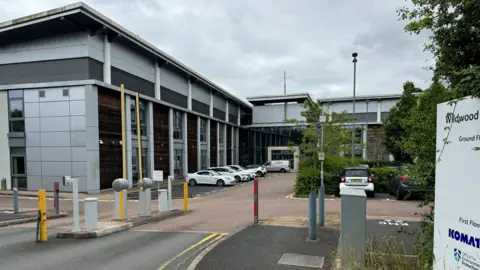
BBCWorcestershire is to get two new standalone councils under the national shakeup of local government - a move which will change how services are delivered, and who oversees them, across the county.
Residents are set for the separate institutions by way of a north-south split, with Redditch, Kidderminster and Bromsgrove being folded into a northern unitary authority, and Worcester, Malvern and Wychavon into another.
The shift in how councils are organised across the land - due to come into effect in 2028 - is the biggest since 1974.
The changes, though, have divided opinion locally. Chris Bloore, Labour MP for Redditch, said he was "delighted" but Conservative Adam Kent, the existing county council's deputy leader, called it "horrendous".
Local government minister Steve Reed, who announced the move on Thursday, said the changes would help drive economic growth and simplify the local authority system.
"Two-tier structures are confusing for residents, divide responsibilities, slow down decisions, duplicate costs and blur accountability," he said.
How is the county organised today?
It's the two-tier system, as referenced by Reed.
As things stand, the county is divided into districts - the six areas listed above.
Six district councils provide services such as bin collections and parks and play areas, while also determining planning matters.
But above them stands the overarching Worcestershire County Council, which, for all households, covers adult and children's social care, education, libraries and highways.
Under the change, the six district councils will be scrapped. And so will the county-wide authority.
What will replace them?
Worcestershire is switching to the unitary council system, which as the name implies, involves a standalone council bringing all services in house.
The option, however, of just one council doing all the lifting across the whole county has been rejected.
Instead, Worcestershire - at council level at least - is being split into two along geographical lines, with the top half of the county getting one unitary authority, and the bottom half another.
However, some crossover between services has been suggested despite the separation.
A sum of £20m has been set aside for the changes.
What's the political fallout?
Five out of Worcestershire's six district councils had favoured splitting the county in two and having separate unitary authorities for the north and south.
But the big change has still been mired in disagreement, with Worcestershire County Council favouring one unitary authority under a so-called "One Worcestershire model".
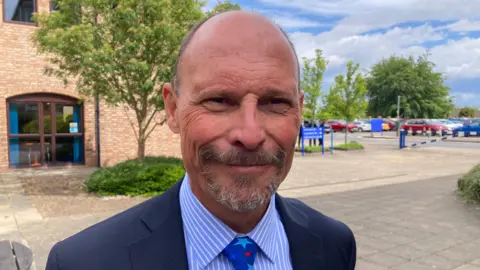
Kent, whose authority is on the chopping block, said: "This is a horrendous decision in my mind from the government, and is a kick in the teeth for our county.
"Inevitably it will mean higher council tax for residents in both the north and south of Worcestershire."
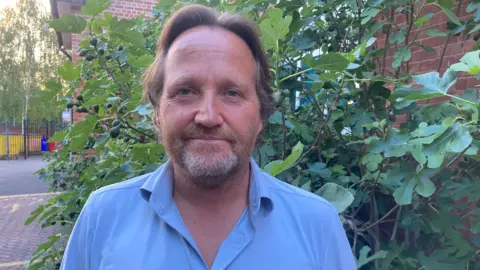
However, Matt Dormer, Conservative leader of Redditch Borough Council, said: "I've been in favour of a north-south solution, but we've got a lot of work ahead of us now.
"Some services will have to be shared across both councils, otherwise it won't be sustainable.
"We've got to focus on the residents and how we continue to deliver for them - it's a big change for everyone."
Councillor Lynn Denham, Labour leader of Worcester City Council, said the two-council solution was a better option than creating one "super council".
"I welcome the decision - this will enable simpler local government and councils which can be responsive to local need, and deliver more effective tailored services," she said.
Bloore MP stated: "I'm really pleased - we've now got an excellent opportunity in the north and south to deliver successful councils that deliver better, more efficient services and deliver economic growth for the county.
"This will end the current ridiculous system where you've got to choose which councillor you need to go to, to talk about a highways or housing issue - this makes things a lot easier."
So what happens next?
Shadow elections are now set to take place next year, so councillors can start preparatory work on the new authorities.
Under the timetable, the two new councils will be up and running from April 2028, replacing the current two-tier structure.
There will also have to be discussions about where each headquarter is based, and what happens to historic buildings like the Guildhall in Worcester.
There will also need to be negotiations with existing council staff about transferring to either new employer, and clarity on how many jobs could be cut, although any reductions are expected to be small.
What there will be is a significant reduction in the number of councillors.
There is also a strong possibility that some major council services which cost the most money - like social care and highways - may well end up being delivered as a "shared service" across the whole of Worcestershire.
Follow BBC Hereford & Worcester on BBC Sounds, Facebook, X and Instagram.