Sussex's links to the 'Acid Bath Murderer'
 Getty Images
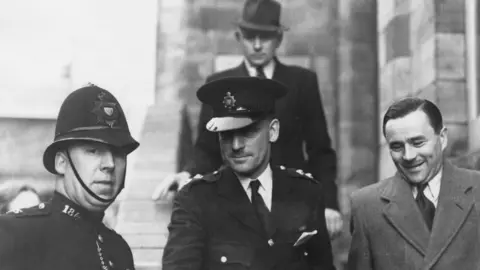
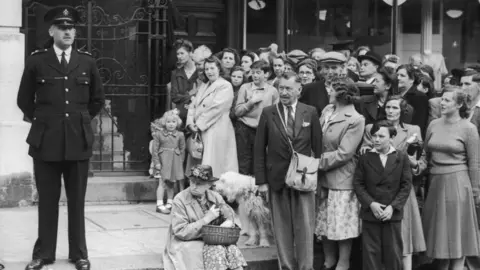
In 1949, all eyes were fixed on a West Sussex town as a gruesome murder case unfolded.
John George Haigh, remembered as the "Acid Bath Murderer", remains one of Britain's most notorious serial killers, committing his crimes between 1944 and 1949.
The case was heard at Horsham Magistrates Court, where Haigh confessed to multiple murders, claiming he had killed nine people.
Nicky Caxton, curator at Horsham Museum, told the Secret Sussex series: "He was living in London and not long out of prison, when one day he met an old employer, William McSwan."
The pair became friends again but McSwan was murdered, with the motive being money, Caxton said.
Haigh bludgeoned McSwan and placed his body in a 40‑gallon drum filled with sulphuric acid.
Over the next year, he murdered McSwan's parents, Donald and Amy, after they began asking questions about their son's disappearance.
 Getty Images
Sussex became central to the crimes - particularly a workshop in Crawley.
Caxton explained: "We know of six murders. The final three that we know of were disposed of in Crawley.
"When he was arrested, (Haigh) would say money wasn't the motive, and would say he felt the need to drink people's blood."
The court has now been converted into a restaurant.
Forensic pathologist Keith Simpson identified gallstones, bone fragments, and part of a denture in the workshop.
This crucial evidence that proved Haigh's belief that "no body, no murder" was fatally flawed.
Investigators also found receipts, forged documents, and items belonging to previous victims.
Haigh's defence attempted to argue insanity, but the jury rejected this within minutes.
He was convicted of murder and executed at Wandsworth Prison on 10 August 1949.
Follow BBC Sussex on Facebook, on X, and on Instagram. Send your story ideas to southeasttoday@bbc.co.uk or WhatsApp us on 08081 002250.