Di tiny organism wey dey attack brain and fit spread worldwide
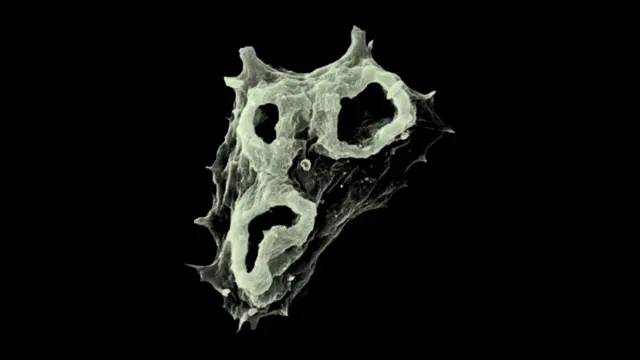
Wia dis foto come from, Bruno da Rocha-Azevedo, Herbert B. Tanowitz and Francine Marciano-Cabral / Interdisciplinary Perspectives on Infectious Diseases
- Author, Isabel Shaw
- Role, Global Health
- Published
- Read am in 7 mins
Just days afta wetin suppose be happy family holiday go Costa Rica, Steve Smelski just see imsef for im son bedside for intensive care as e dey mourn di death of im only pikin.
Jordan wey be 11 wen e kpai, bin die sake of brain of wetin dey call Naegleria fowleri aka "brain-eating amoeba".
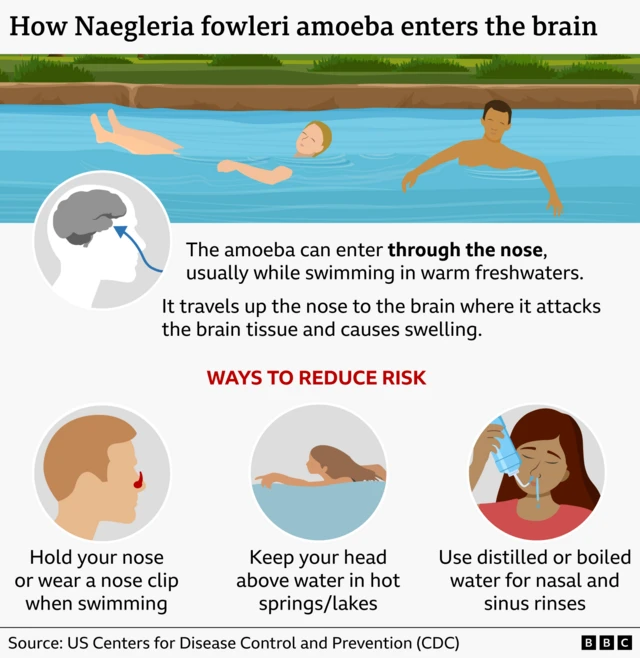
E dey normally stay for warm lakes, hot springs and abandoned pools. Di amoebas dey use nose take enta pesin wen pipo jump enta water den sharparly start to dey attack brain tissue.
67 year old Steve tell BBC World Service say "Jordan bin swim one day, one time and e don go".
Last year, na ova 200 cases of Naegleria fowleri infections bin dey found for India wey make am di largest outbreak wey don eva dey on record as cases don continue dey comot in recent months. Less than 500 cases don dey seen worldwide bifor dis time.
Dis outbreak don dey worry researchers again wey dey tok say di organism dey detected for places wey dem bin really no dey see am bifor.
Dr Anastasios Tsaousis, wey be molecular parasitologist for di University of Kent for di UK tok say, "I tink dia go be more cases for future. We go see am worldwide".
'E dey comot your mind'
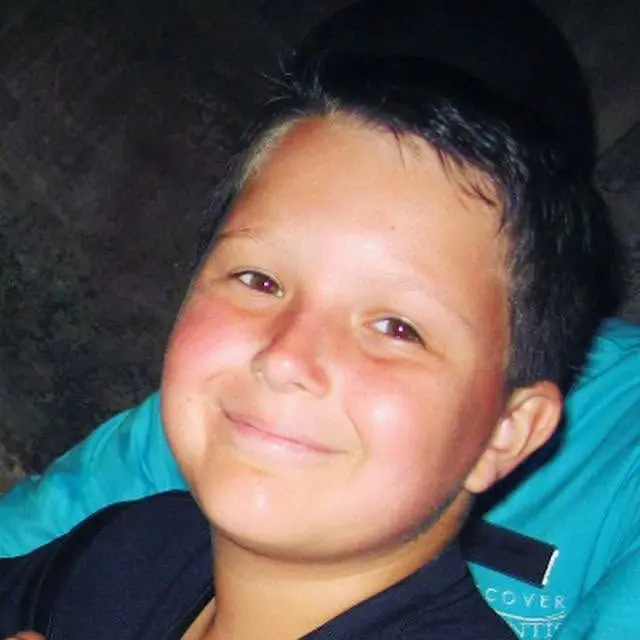
Wia dis foto come from, Steve Smelski
Steve, wey be from Florida US bin spend hours dey run down water slides wit im son for one natural hot spring wey dey near dia hote; for Costa Rica wen Jordan start to dey feel headache.
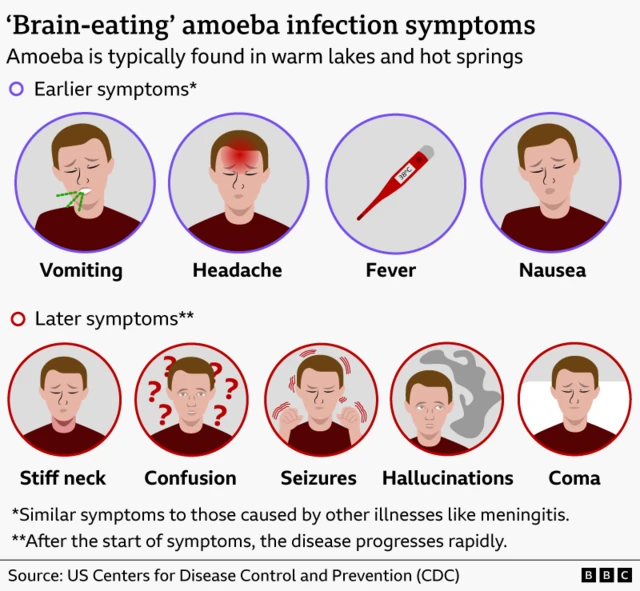
Afta dem fly go house say di pain go worse and Jordan start to vomit. Im parents come carry am go local hosporal wia e start to dey hallucinate and tell dem say e dey see insects dey crawl for di ceiling.
Steve remember say, "e look us but e no sabi who we be. I no tink e bin know who he imself be".
While doctors bin dey hustle to find out wetin dey do Jordan, e bin get seizure and enta intensive care wia e later die.
Steve tok say. "seven and a half days from swimming, e don go. E bin no get any issues bifor dis. E bin dey perfectly healthy".
Jordan bin die from primary amoebic meningoencephalitis (PAM) wey be di brain infection wey Naegleria fowleri dey cause.
Dem bin tink bifor say na menegitis dey do Jordan bicos PAM dey get similar symptoms wit am for di early stages.
By di time e click for docots, e don late. Di infection bin trigger severe swelling for im brain wey cause damage wey dem no fit cure.
Steve tok say, "e dey carry your mind go, e go comot your thoughts, e go comot who you be".

Wia dis foto come from, Steve Smeski
Why we come dey see am for new places?
Between 1962 and 2023, 488 cases – bin dey mostly found for southern US states, Pakistan and Australia, wey dem report worldwide. Dis na according to di 2025 review wey di Journal of Infection and Public Health bin publish. About 97% of those pipo bin kpai.
But in di last 20 years, dem don dey find more cases for kontris for di northern hemispher wey include Italy and Belgium.
New infections don also dey reported for cooler northern US states for di last 15 years wey include Minnesota and last year Slovakia bin record im first confam case.
Cases don also dey linked to places wey no be lakes and rivers wia dis amoebas dey known to come from.
For Taiwan, one man die for 2023 afta e carry Naegleria fowleri from one indoor surfing facility. Dat same time for di US one small pikin bin dey infected and kpai sake of say e carry am from contaminated splash pad.
As climate change dey make lakes nad ponds dey hot dey go, di amoeba dey start to dey expand enta wia bin dey to cold for am bifor.
"When di water dey warmer, [di amoeba] go dey more active," Tsaousis say. "Den higher chance dey for pipo wey dey play around to catch am."
E say e neva reach for pipo to fear but make pipo torchlight di growing rish.
On top dat, e beleve say scientists don dey beta to see di amoeba wey fit dey contribute to why dem dey record more cases.
Tsaousis say, "my hypothesis be say numbers fit always don dey high, we jist dey realise now say dis numbers dey increase bicos we know how to test dem".
Why pikin dem dey dey at risk pass?
Sabi pipo say pikin dem dey more likely to catch Naegleria fowleri than adults.
Prof Ian Wright wey be sabi pesin on water science for Western Sydney University tok say, "di main age of pipo wey dey suffer from dis disease if dem get infection na 12 bicos pikin dem like to splash inside warm water".
Some scientists also tink say pikin dem get greater risk to catch di infection bicos di barrier between nose and brain fit dey easier for di amoeba to crosss am for young pipo.
Wright say "na like nightmare, horror feem or a Stephen King novel.
"E dey unlikely say you go get am but if you do, you go likely die".
If dem catch am on time, doctors dey try treatment patients wit combo of drugs, plus tins to redice di brain swelling. But survival still dey very rare.
But di latest outbrek for Kerela, India wey be tourist hotspot don shake tins about weda di disease dey as deadly as dme tink am.
Ova half of di 200 pipo wey bin get am confam survive, dis na far more dan di normal survival rate of three percent. Dis na according to new research wey dem publish for Communications Medicine.
According to di international team of researchers wey do di study, Earlier diagnosis, greater awareness among medics, and more consistent treatment protocols fit contribute to improve di outcomes.
How to stay safe
In addition to water-play, Naegleria fowleri fit also enta bodi wen pesin use nasal irrigation system wey be di long-spouted bottles wey pipo dey normally use for symptoms of colds, sinus infections, or allergies.
Last year, one 71 yeaf old healthy woman for Texas bin die two weeks afta she use dat kain device wey she fill wit tap water from her motorhome.
Ritual nasal rinsing fit also be part of religion wey include Islam and oda practices like ayurveda wey be medicine system from India.

Wia dis foto come from, Getty Images
Simple steps dey to reduce di small risk more.
Di US Centers for Disease Control and Prevention (CDC) dey advise to use sterile, distilled or previously boiled water wey don cool down to take do nasal rinsing as contaminated tap water fit cause rare infections.
Wen e dey swim for warm freshwater, di agency dey advice to reduce risk for water to enta di nose. Dis fit be by holding di mose or usinf nose clip if you dey dive and jump enta water.
Wright tok say, "if you no sure, just no put your head under di water".