Why slave descendant for US no want make dem return Benin Bronzes to Nigeria
For our series of letters from African journalists, Nigerian writer Adaobi Tricia Nwaubani look at how descendants of slaves for US dey drag over some of Africa most famous artefacts wey dem tiff during di colonial era and end up for Western museums.
Wia dis foto come from, Getty Images
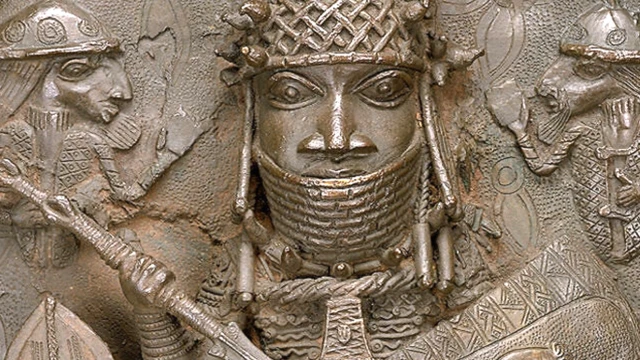
One group of African Americans don file lawsuit to stop di return of some Benin Bronzes from di Smithsonian Museum inside Washington DC to Nigeria.
Dem dey claim say di bronzes - wey British colonialists tiff during di 19th Century from di kingdom of Benin wey now be Nigeria - na also part of di heritage of descendants of slaves inside America.
And dat returning di bronzes go deny dem di opportunity to experience dia culture and history.
"Na very interesting argument," 93-year-old David Edebiri tok, afta laughing for about 15 seconds straight.
Edebiri na part of di cabinet of di current Oba of Benin - di king or traditional ruler for Edo state, southern Nigeria.
"But di artefacts no be for di Oba alone. Na for all Benin pipo, weda you dey Benin or you dey obroad."
''Most Nigerians wey I don discuss dis US lawsuit with, don laugh tire.''
End of Di one wey oda users dey read well well
But Deadria Farmer-Paellmann, wey be di founder and executive director of di Restitution Study Group (RSG) wey start di suit, dey very serious about di mata.
Di 56-year-old found RSG, wey be not-for-profit institute inside New York, for 2000.
Di aim of di group na "to examine and execute innovative approach to heal di injuries of pipo wey dem oppress and take advantage of".
About 100,000 slaves wey dem bring to di US, come from ports wey once dey under di control of traders from di kingdom of Benin, like Warri, Farmer-Paellmann tok.
She dey quote records from di Transatlantic Slave Trade Database wey Rice University host for Texas and recent testing show say 23% of DNA dey link to dis pipo.
Dis, she believe say give her and di millions of odas with similar ancestry di right to lay claim to di bronzes.
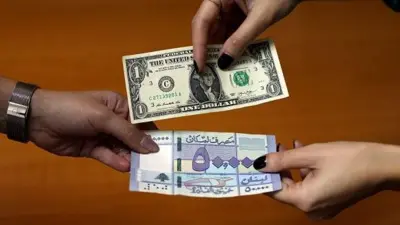
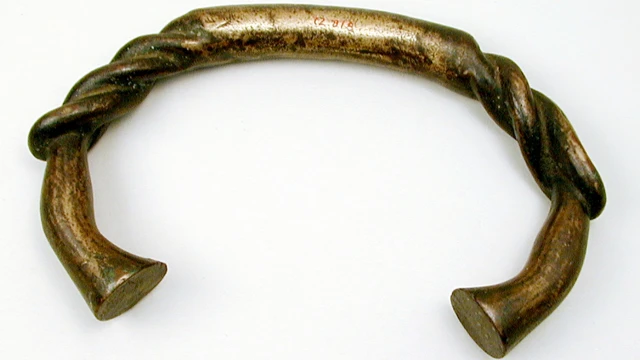
Her argument dey based on manillas, brass bracelets wey Portuguese traders introduce as form of currency.
Di Portuguese traders, wey from di 16th to the 19th Centuries dey buy different agricultural produce and local goods - plus also human beings from Africans.
Dem make di thousands of sculptures wey dey known collectively as di Benin Bronzes with combination of metals, like brass and copper.
Dem bin tiff di bronzes afta one attack on di palace of Oba Ovonramwen Nogbaisi for 1897.
Wia dis foto come from, Alamy
Di kingdom imsef no produce enough metal to supply dia casting industry, and dem rely on imports - including di brass metal from dis bracelets, wey dem melt down to create works of art.
"Fifty manillas go buy woman, 57 go buy man slave," Farmer-Paellmann tok.
"Wetin we dey tok be say di descendants of di pipo wey dem trade for dis manillas get right to see di bronzes for where dem dey live," she tok.
"E no get any reason why we go must travel go Nigeria to see dem," she tok, and even mention US travel warning join; "I no want make dem kidnap me."
'Afro-pessimism'
Pipo wey dey Criticize di case, like Mr Edebiri, argue say no be all manillas wey dem use for Benin come from di slave trade.
Edebiri don write one book about im great-great-grandfather Iyase Ohenmwen, wey be prime minister for di Oba for early 19th Century,
For di book, Edebiri detail how im great-great-grandfather trade in ivory and European clothes.
Wia dis foto come from, Getty Images
"Im go take dis manillas to Igun-Eronmwon, one village for Benin wey dey manufacture all dis artefacts."
"Dey go then make dem into di bronzes and oda fanciful things."
Acclaimed Nigerian-American artist, Victor Ehikhamenor, wey come from Edo state, argue say while history dey complicated, one mata dey simple:
"Di exact land from where dem take dis things from, never shift."
For Chika Okeke-Agulu wey be Nigerian art historian, Farmer-Paellmann comments "sound like di argument wey white pipo wey no wan return di artefacts dey make".
Chika Okeke-Agulu na professor for Princeton University and activist for di forefront of di campaign to return artwork wey dem tiff.
"Di lack of safety strike me as anoda version of Afro-pessimism wey we don dey hear for a long time," Chika Okeke-Agulu tok.
E give example of di plenti African Americans wey now dey travel go south-western Nigeria every year for di famous Yoruba Osun Osogbo festival.
Tok-tok for di return of di bronzes to Nigeria don bin dey go on since di 1930s.
"As e dey for British Museum, wey be one of di world storhouse of heritage, e dey make pipo fit dey able to see am," according to Oliver Dowden, wey be former British culture minister, last year.
But since then some institutions for di West don finally start to return dem.
Wia dis foto come from, Getty Images
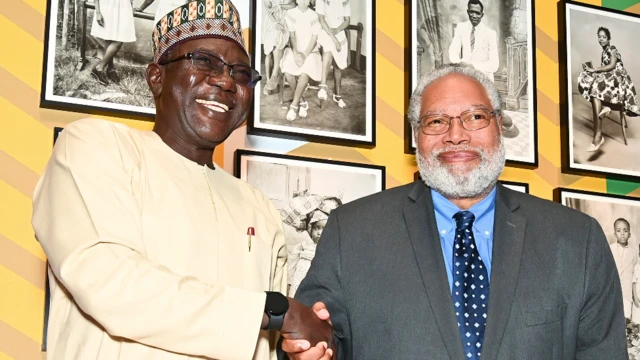
The Smithsonian Museum of African Art, for one ceremony for 11 October, transfer ownership of 20 of dem to Nigeria, while nine more go remain on loan to di museum.
Anoda 20 dey with di Smithsonian Museum of National History, and di process wey fit lead to dia transfer don begin.
Di Restitution Study Group lawsuit dey hope to stop dat.
'We dey suffer from shame'
E don tey wey Farmer-Paellmann don dey fight for justice and compensation for black descendants of slaves wey dey di US.
For di 1990s, she start to dey collect evidence to show how 17 companies don gada wealth from slavery, like di insurance firm Lloyd of London.
But di court case struggle in di end for di 2000s as RSG noo come get funding.
However, afta di global Black Lives Matter protests of 2020, Lloyd of London apologise for dia past link to di slave trade.
And Lloyd of London dey dedicated to make financial investments to promote di welfare of black, Asian and ethnic minority groups.
Each time wey I write about di legacy of slavery inside Africa, I dey receive hundreds of messages from African Americans wey dey express worry.
Dem dey say my stories fit affect dia request for compensation from white descendants of slave owners.
Dem dey worry say di white descendants of slave owners fit use evidence of African involvement for di transatlantic slave trade as excuse to dodge from di blame of di bad things wey dia ancestor do.
So, I dey surprise say one group like Farmer-Paellmann go openly highlight dis fact through dia lawsuit.
"A lot of shame dey," Farmer-Paellmann admit. "Na almost like pikin wey dey report dia mama for child abuse. Dat na hard thing to do."
"But we dey suffer from di shame while di slave trader descendants dey waka go with di treasures."
Farmer-Paellmann call for more understanding outlook:
"Dis na opportunity for Nigeria to take a stand and say dat di honourable thing to do today na to share dis bronzes."
"Nigeria na one of di biggest places where descendants of pipo wey dem take as slaves come from, about 3.6 million of us.
"Dem go celebrate Nigeria for doing something like dat."