


Chariot queen?
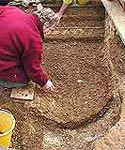
The skeleton of the woman from Wetwang was the last thing to be removed from the grave pit, the true scale of which was only finally apparent when it was emptied of archaeologists, surveying equipment, tools and buckets.
'... a complex site was reduced to a collection of objects, plans, notes ... and bags of soil.'
With the sample excavation of the surrounding square ditch complete, the excavation was over - and the complex site was reduced to a collection of objects, plans, notes, context records, photographs, digital co-ordinates and bags of soil. But these, together with the memories of all those who worked on this fascinating site, are the building blocks from which a picture of the past has emerged.
Without this archive the site may just as well have been dug up by the builders’ bulldozers. Without this level of recording, and the skill of all those involved, we would have had no clear picture of the enigmatic woman of Wetwang and her elegant chariot.
To a casual observer the end of the excavation marks the stage at which the site is fully understood, but in many ways this is only the beginning. The processes of conservation analysis, study and comparison will probably take five times as long as the excavation itself, and as our techniques of analysis become more sophisticated, this ratio may well increase.
About the author
Julian Richards has been a professional archaeologist for over 30 years. He has extensive experience of working in the field, surveying and excavating prehistoric and later sites. He has written and presented many series for the BBC including Meet the Ancestors, Mapping the Town and Blood of the Vikings.
Published: 2005-01-25
