As petrol prices tick up, the impact of the conflict on UK energy is trickling throughpublished at 21:28 GMT 5 March
 Faisal Islam
Economics editor
The impact of the conflict on UK energy prices is starting to trickle through. We have seen a 3p rise in average petrol prices and 5p on diesel prices. This has come through unusually quickly and in anticipation of an impact from crude oil prices. If this continues it will add to inflationary pressures. Crude oil prices have continued to creep up, and are now about 15% higher than pre-conflict.
Gas prices have settled about 80% higher and will, if sustained, lead to chunky rises in bills - but not until July. Labour's promised cut to the energy prices cap next month will go ahead first. Prime Minister Keir Starmer has also emphasised the need for energy security, which he defines as carrying on investment in domestic renewables.
Other inflationary consequences are starting to spread in global markets. Jet fuel prices have more than doubled on concerns about scarcity over a critical commodity which is not stored in huge quantities. Urea, a key precursor of food fertilisers, a third of which comes through the Straits of Hormuz, has also shot up in price.
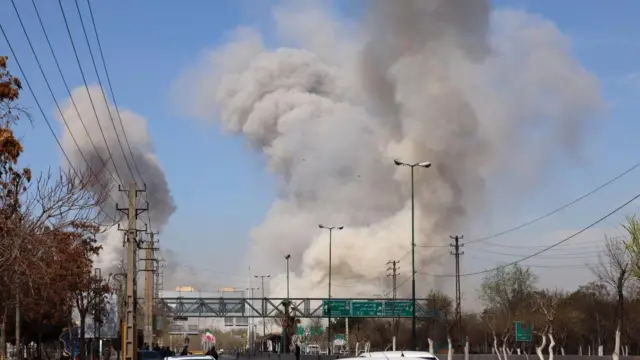
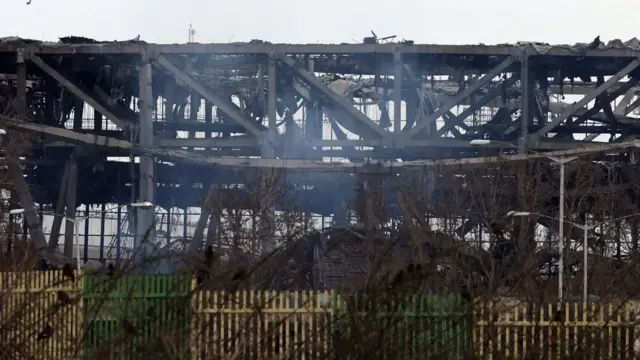
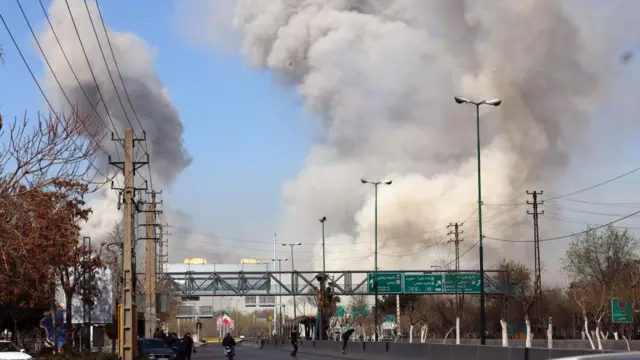
While optimists point to the likes of the Saudis now diverting oil flows to pipelines and away from the Gulf, others point to a new pattern of conflict. Refineries and production facilities in four separate Gulf countries appear to have been targeted by missiles or drones.
While the disruption to date has been the by-product of the conflict, the question arises as to whether the targeting of economic infrastructure is now central to Iran’s response. Such an escalation would raise risks, and prices, even more.