Summary

  • EU special – what would Brexit mean for immigration?

  • Presented by Evan Davis on location in Boston, Lincolnshire, one of the UK's immigration hotspots

  • Find out what politicians from both sides, a panel of experts and a group of undecided voters had to say

  • Get involved in the EU referendum debate on Twitter using #newsnight

  1. Jonathan Portes on where the welfare state goespublished at 23:23 BST 10 May 2016

    Quote Message

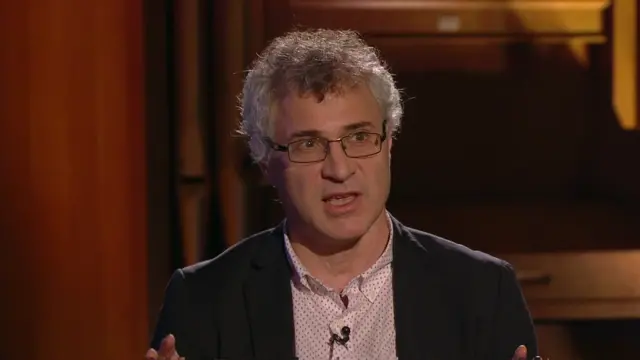
    Migrants also pay taxes, especially migrants from Europe. They are actually more likely to be in work, they are much more likely to be of working age. Remember, we spend most of the money of the welfare state spends goes on old people and to some extent on kids - it doesn't go to people of working age.

    Jonathan Portes, National Institute of Economic and Social Research
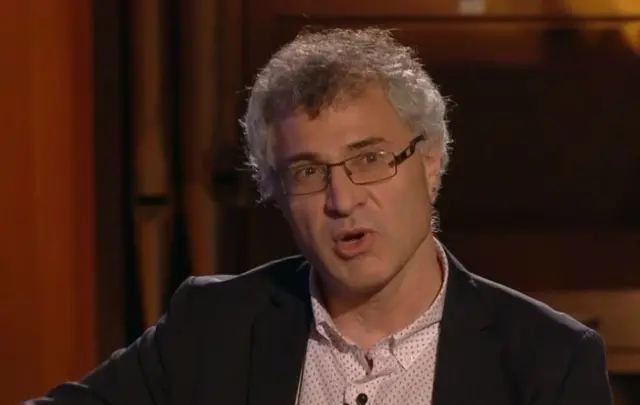
    Jonathan Portes
    Image caption,

    "Migrants also pay taxes" says Jonathan Portes
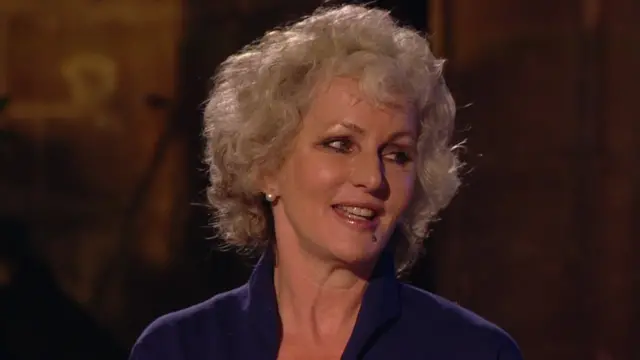
  2. We are actually "subsidising migrants"published at 23:22 BST 10 May 2016

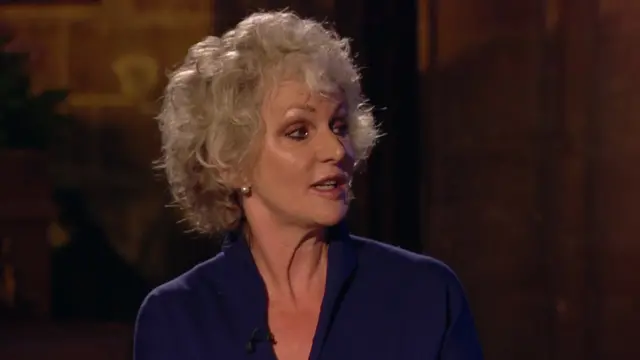
    Harriet Sergeant
    Image caption,

    Harriet Sergeant says we are subsidising migrants

    Quote Message

    75% of migrants go into low paid jobs – that means that they are getting housing benefits, tax credits, they're getting child benefit. So we are in this extraordinary position where we are actually subsidising migrants to take low paid jobs and sidelining other people who could have been doing those jobs.

    Harriet Sergeant, Centre For Policy Studies

  3. Do migrants provide a net-benefit to public finances or not?published at 23:20 BST 10 May 2016

    It's caused a heated debate among our panel tonight – here's what Full Fact have to say on how immigration affects public finances:

    Quote Message

    Most studies suggest that the fiscal impact of migration in the UK is relatively small (costing or contributing less than 1% of the country's overall Gross Domestic Product)

    Full Fact

    See the full fact sheet here, external

  4. From the reserves bench...published at 23:19 BST 10 May 2016

    Mark Urban gives his view from the studio in London

    Mark Urban
    Newsnight Defence and Diplomatic Editor

    Tonight's debate has been largely about migration within the EU. But as we learned at the start, more than half of the migrants coming into the UK are from outside the EU – some 300,000+ annually.

    So what does the failure to restrict that number of non-EU migrants tell us about the national will to get on top of the issue? Are immigration and border control services under-resourced whether the country is inside or outside the EU? Of all the issues concerning this debate, I feel the cost of truly effective border enforcement is one of the least well-explored issues.

  5. A show of handspublished at 23:17 BST 10 May 2016

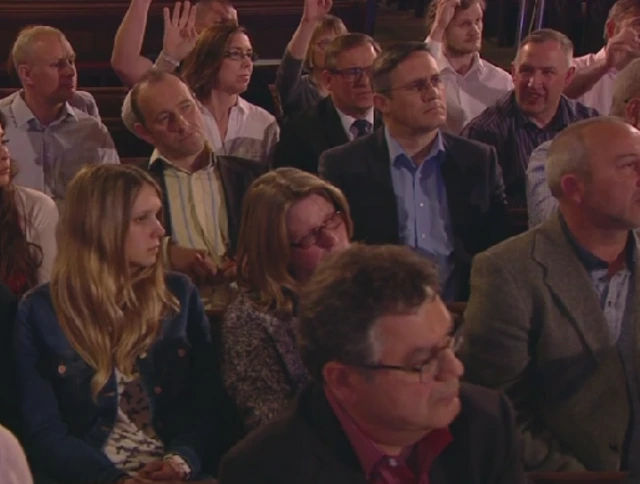
    Evan asks the audience how many would feel better disposed to immigration if more resources were allocated to deal with the pressures caused by it.

    Audience
  6. How are public services affected by migration?published at 23:13 BST 10 May 2016

  7. Fact check: EU migrants receiving tax creditspublished at 23:12 BST 10 May 2016

    One of the contentious stats bandied about in the EU debate is the proportion of EU migrants in receipt of tax credits.

    Is it 16% or is it 40%? Or some random other number plucked from thin air?

    We can shed some light – but only that of a dimly-powered torch rather than a mega-watted floodlamp.

    In February David Cameron told the House of Commons that 40% of EU migrants coming to Britain access the in-works benefit system, with an average payment per family of £6,000.

    That would make total spending on tax credits for EU migrants of about £500m a year.

    However figures released by HMRC in response to some Freedom of Information requests suggest that 40% figure might not be totally accurate.

    They reveal there were 84,000 households receiving tax credits in 2013/4 where at least one person had arrived from the European Economic Area – and those households included 110,000 recent EEA migrants in total.

    Given that ONS statistics say there were 677,000 EU nationals coming to the UK in the four years up to 2013, that would suggest it is 16% who are in receipt of tax credits.

    Sorry for not being able to clear up that one any better.

    For more EU fact checking, head over to our colleagues at BBC Reality Check.

  8. Dr Rohini Deshmukh on NHS pressurespublished at 23:10 BST 10 May 2016

    Quote Message

    There is no doubt that the numbers went up, with us having problems anyway coping with what we were dealing with… The influx has definitely increased that. With no infrastructure, no mechanisms put to, to cope with that you just have to take patients in...It is unethical not to register patients just because you can’t cope.

    Dr Rohini Deshmukh, GP

    Dr Rohini Deshmukh
    Image caption,

    Dr Rohini Deshmukh is in no doubt that migrants have added pressure to the health service

  9. Tonight's experts...published at 23:09 BST 10 May 2016

    Harriet Sergeant and Jonathan Portes

    Harriet Sergeant
    Image caption,

    Harriet Sergeant thinks the UK should vote to leave the EU

    Harriet Sergeant

    • Author, journalist and Research Fellow for the Centre For Policy Studies
    • Sergeant, who is in favour of Brexit, wrote on Twitter last month that it "would force the EU to deal with their youth unemployment - instead of exporting the problem to us"
    • Sergeant recently questioned the Treasury's recent analysis of the costs of Brexit. She questioned whether they had factored in "costs of staying ... costs like collapse of EU counties and banks - not to mention 1m migrants a year?"  
    Jonathan Portes
    Image caption,

    Jonathan Portes says EU migration remains an important issue for many people

      Jonathan Portes

    • Research Fellow at the National Institute of Economic and Social Research & Senior Fellow, UK in a Changing Europe 
    • Portes was the Chief Economist at the Cabinet Officen and has a particular interests in immigration, labour markets, and poverty
    • He says the Treasury's recent analysis of the economic impacts of Brexit omits one of the central issues in this debate - immigration 
    • Portes has long called for a proper debate on how remaining in or leaving the EU would impact migration, including in this article here, external
  10. Fact check: Who controls immigration policy?published at 23:08 BST 10 May 2016

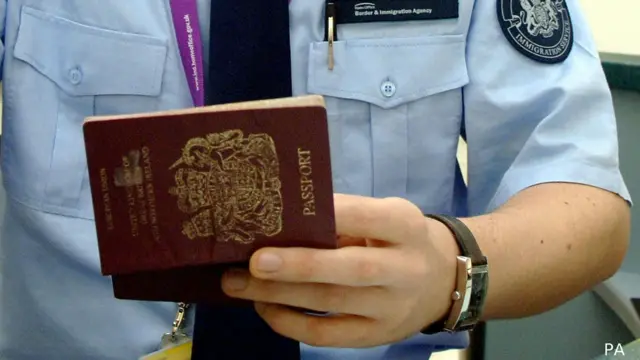
    Border ControlImage source, PA

    OK, let’s get down to the fundamentals. Why actually sets our immigration policy?

    Some Brexiteers claim it’s controlled by the EU rather than the UK Government – they’re right to an extent but such a bold statement does rather overstate the case.

    It is true that a fundamental tenet of membership of the EU is that each country has to accept freedom of movement across its member states – and if Iain Duncan Smith was right today, when David Cameron tried to renegotiate that recently he got short shrift from Angela Merkel.

    However the issue of visa and border controls is separate; here, the UK has always maintained its own approach.

    The UK is not part of the border-free Schengen Area and EU travellers coming through the UK's ports and airports have their passports checked. The UK can turn people away if there is a good reason to do so.

    The UK can choose, on a case-by-case basis, whether to participate in EU-wide rules on immigration, visa and asylum policies.

    And the UK has an opt-out on the EU refugee emergency relocation scheme, which redistributes asylum seekers who have arrived in Greece and Italy.

    For more EU fact checking, head over to our colleagues at BBC Reality Check.

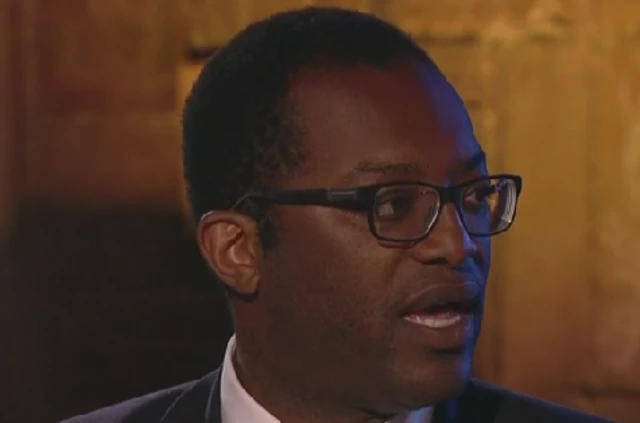
  11. Kwasi Kwarteng on Eastern European immigrationpublished at 23:07 BST 10 May 2016

    Quote Message

    When you have a situation where Eastern European accession countries, through no fault of their own have hourly minimum wage rates of £1 in Bulgaria and £2 in Poland, and our minimum wage is now £7.20 going up to £9.00 in 2020... you do not need a degree in Economics to work out there are huge incentives for lots of people to come to Britain.

    Kwasi Kwarteng, Conservative MP

    Kwasi Kwarteng
    Image caption,

    Kwasi Kwateng MP says you do not need a degree in Economics to see how wages here attract Eastern European migrants.

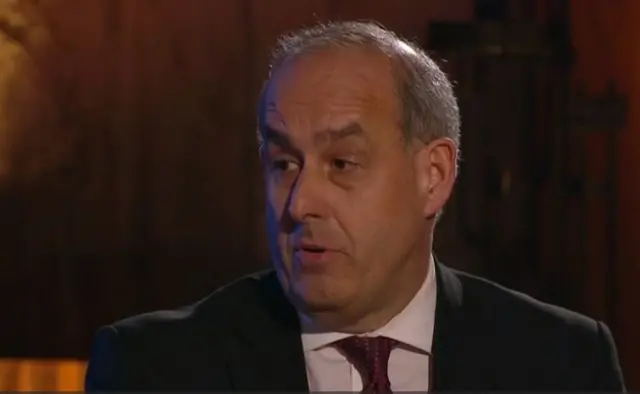
  12. David Hanson on the 2004 changes to the EUpublished at 23:05 BST 10 May 2016

    ...when the EU enlarged to become a mixed income union

    Quote Message

    There should have been a more transitional approach to that, and even now we have a situation whereby income levels are disparate...

    David Hanson MP, Former Home Office Minister

    David Hanson MP
    Image caption,

    David Hanson MP

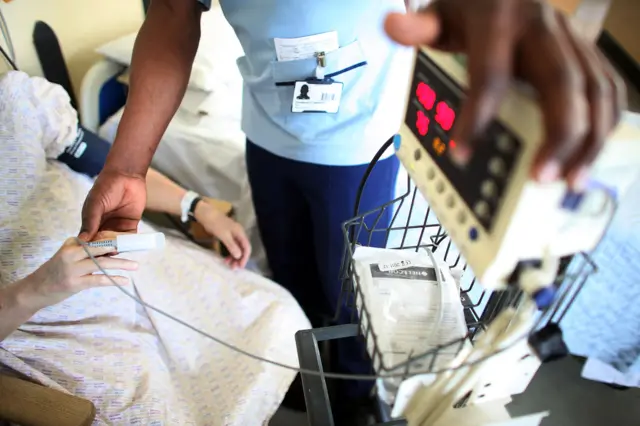
  13. Fact check: How does immigration affect the NHS?published at 23:04 BST 10 May 2016

    A doctor at workImage source, Getty Images

    It’s the national religion and, inevitably, it’s become a tug of war between the Brexiteers and the Bremainers.

    But which side is right? Would leaving the EU release the pressure value on the NHS by reducing demand – or would it cause a crisis by exiling essential staff?

    The Department of Health estimates, external that the cost of short-term visitors from the European Economic Area on the NHS is £340m a year.

    Given that the total annual expenditure of the health service is £113.3bn that means these so-called health tourists take up about 0.3% of it.

    However that doesn’t include the three million people from the EU who reside in the UK, who definitely add to demand for NHS services.

    Whatever happens in the referendum though, they will be able to stay here under the Vienna Convention – so the pressure on the NHS will remain.

    So, just how dependent is the NHS on staff from other EU countries? NHS England provides figures, external that show a total number of all staff coming from the EU countries is just over 53,000, or 4.6% of the total NHS workforce.

    A total of 9% of NHS England’s hospital doctors came from the EU and the number of EU nurses and health visitors accounted for 6% of the total.

    But a British exit from the EU would be unlikely to create an immediate NHS staffing gap for the reasons explained above: those already settled in the UK are likely to be allowed to stay.

    For more EU fact checking, head over to our colleagues at BBC Reality Check.

  14. Join in the debate on Twitterpublished at 23:03 BST 10 May 2016

    Use the hashtag #newsnight

  15. Fact check: EU migration numberspublished at 22:59 BST 10 May 2016

    So how many EU migrants are actually coming to the UK each year – 250,000 or 650,000?

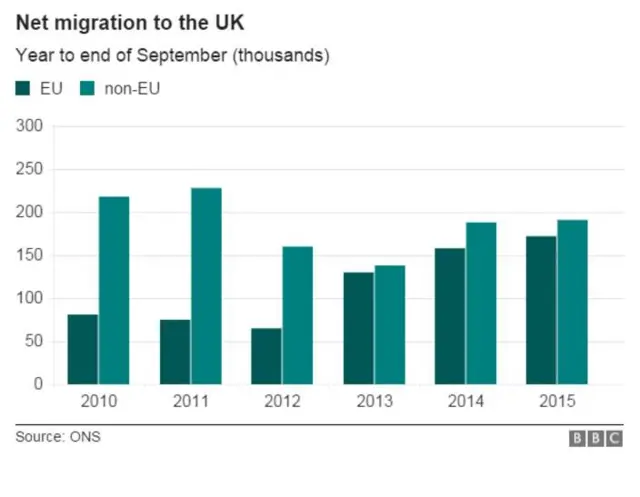
    Well, as this graph from the ONS makes clear, significantly more people are coming into Britain from the EU than the government promised, when it said it would take steps to cut net migration to the “tens of thousands”.

    Net migration graph

    The latest figures show that 257,000 EU citizens came into the UK in the year ending September 2015 while 85,000 left, giving a net migration figure of 172,000.

    Of those, 165,000 EU citizens came to the UK for work-related reasons, with 58% heading into a definite job and 42% coming to look for work.

    However, there’s a fly in the ointment.

    Jonathan Portes – you’re watching him on your telly at the moment – recently winkled out of the government the number of EU nationals given National Insurance numbers.

    For the same period official stats show 257,000 EU citizens came into the UK (see above), the number of EU citizens given NI numbers stood at 650,000.

    Portes claims this is a more accurate gauge of how many EU migrants are over here – though others point out you need an NI number even if you’re only working for a few weeks while the official stats record only those who stay for a year or more.

    For more EU fact checking, head over to our colleagues at BBC Reality Check.

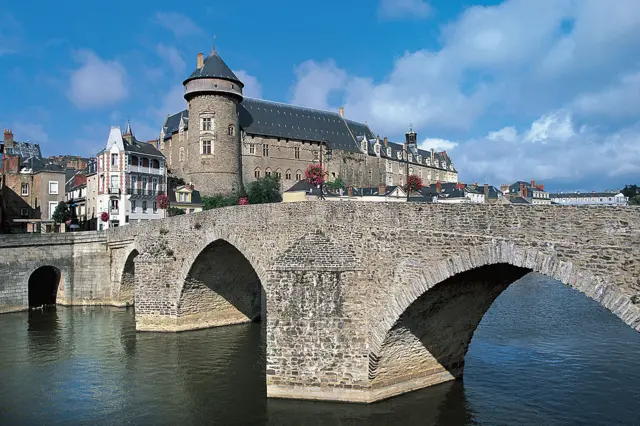
  16. Boston's French twinpublished at 22:57 BST 10 May 2016

    Since 1958, Boston has been twinned with Laval in France making it one of the oldest twinning arrangements in the country.

    Laval is in north west France and dates back to the 6th Century. Like Boston, farming is central to the town's economy being a prime dairy production area.

    Last year, hundreds of farmers blocked Laval's roads in protest against cheap imports from abroad.

    Laval, FranceImage source, Getty Images
    Image caption,

    Laval, France

  17. At least some people can joke about immigration...published at 22:53 BST 10 May 2016

  18. It's 'hard' for Vote Leave to reassurepublished at 22:52 BST 10 May 2016

    Chris Cook
    Newsnight Policy Editor

    At the moment, we accept the freedom of movement for labour as a part of our EU membership. What would replace that? That’s not terribly clear.

    We can definitely say that leaving the EU would allow us to recast our immigration position. That’s a principle all Brexiteers agree on: we should be able to control EU immigration flows.

    What is less clear, though, is what we would then do.

    We can say, though, that conventional wisdom has it that the better the access we want to EU markets post-Brexit, the more EU rules we would need to follow - including on migration.

    Michael Gove, the justice secretary and a Vote Leave leader, has argued that we would not seek the closest possible relationship with the EU. That would allow more room to adjust it.

    But it is not clear how distant we would stand from European rules. Nor whether a British government would actually follow such a path: Mr Gove is a minister, not the prime minister.

    And if the EU governments insist that we take their rules on migration as part of even a relatively constrained deal, it is not clear how our government would then respond.

    This is a neat illustration of an unfairness in this referendum: it’s hard for Vote Leave to reassure because they cannot make pledges about what a future government would do on this issue, as on many others.

    They don’t control our government, let alone the other states who have a say in what life would be like after Brexit.

    MORE: Here is the link to my full blog 'How Immigration Changed Boston, Lincolnshire' 

  19. UK is 'becoming overwhelmed'published at 22:51 BST 10 May 2016

    ...according to UKIP councillor

    UKIP Councillor Viven Edge
    Quote Message

    I feel that our country is becoming overwhelmed. We're only a small island, although I do believe we're a good people. But I do think we need very seriously to have our borders back, under our own control.

    Viven Edge, UKIP councillor

  20. 'Hands up' if your parents were born in another country...published at 22:51 BST 10 May 2016

    Primary school kids in Boston, Lincolnshire

    • In 2014: 11% of children born in UK had at least one parent born elsewhere in the EU
    • For at least 5% of children, both parents are EU migrants 

    School children in Boston, Lincolnshire raise their hands if their parents were not born in England
    Image caption,

    Whose parents were not born in England? Hands up...