Langya virus: Wetin be dis new virus wey infect 35 pipo for eastern China?
Wia dis foto come from, Getty Images
- Author, Melissa Zhu
- Role, BBC News
- Published
Scientists dey track down one new virus for eastern China wey don infect dozens of pipo.
Dem discover di new Langya henipavirus for di body of 35 patients for Shandong and Henan provinces.
Many of dem get symptoms like fever, fatigue and cough.
Di scientists dey reason say dem catch di virus from animals. No evidence dey so far say LayV dey pass from pesin to pesin.
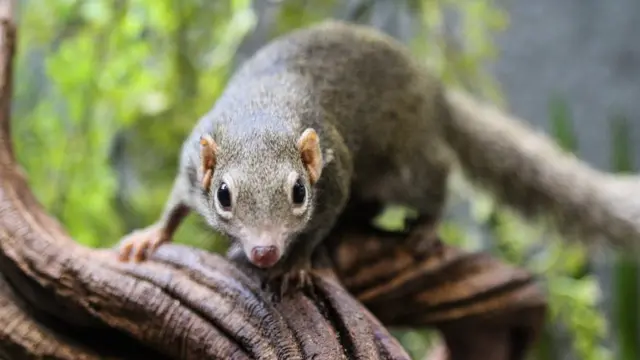
Researchers detect say di virus dey stay mainly for shrews - one animal wey resemble rat.
Na researchers from China, Singapore and Australia highlight di discovery for inside letter dem write and publish for di New England Journal of Medicine dis month.
One of di researchers, Wang Linfa from di Duke-NUS Medical School for Singapore, tell China state-run Global Times say cases of LayV wey dem see so far no dey deadly or very serious, so "no need to panic".
However, Oga Wang say e dey necessary to dey alert as many viruses wey dey exist for nature dey get unpredictable results wen dem infect humans.




End of Di one wey oda users dey read well well
Di scientists say dem see LayV for 27% of shrews dem test and dis suggest say di mole-like mammals fit be "natural reservoirs" for di virus.
About 5% of dogs and 2% of goats dem also test dey positive wit di virus.
Taiwan Center for Disease Control on Sunday tok say dem dey pay "close attention" to di development of LayV.
Wetin be di new Langya henipavirus?
LayV na one type of henipavirus, e dey for di category of zoonotic viruses wey fit jump from animals to humans.
Zoonotic viruses dey very common but dem begin attract more attention since Covid pandemic start.
Di US Center for Disease Control and Prevention say scientists estimate say three out of every four new or emerging infectious diseases for pipo come from animals.
Di United Nations before now don sama warning give di world, say dem go see more of dat kain diseases wit increased exploitation of wildlife and climate change.
Some zoonotic viruses get potential to dey fatal to humans. Dem include di Nipah virus wey get periodic outbreaks among animals and humans for Asia, and di Hendra virus wey dem first detect for horses for Australia.
Dem don also discover oda related henipavirus for Shrews, bats and rodents.