Why be say Chinese billionaires dey vanish?
Wia dis foto come from, Getty Images
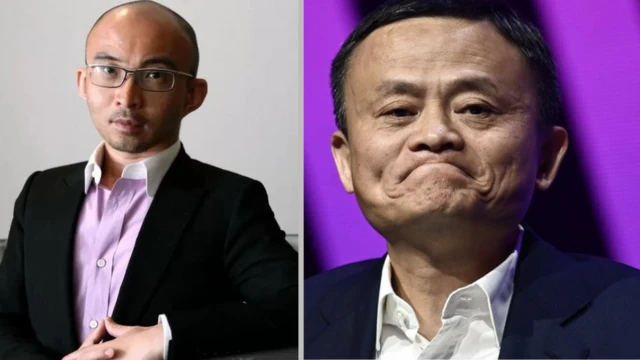
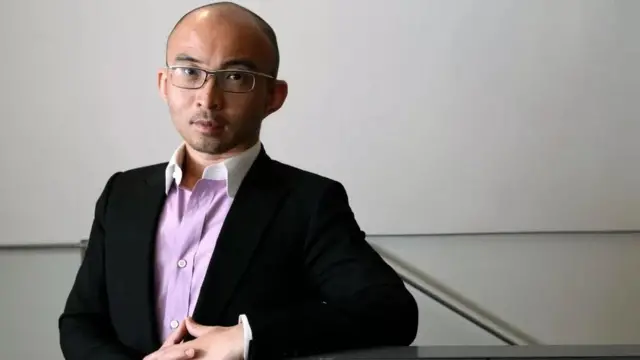
Di disappearance last month of technology industry dealmaker Bao Fan don make pipo to think about di recent tins wey dey happun for China - dat na di vanishing of billionaires.
Bao Fan, di founder of China Renaissance Holdings - wey get client list wey include internet giants Tencent, Alibaba and Baidu - dey recognise as ogbonge pesin for di kontri tech sector.
Oga Bao case dey di same as odas wey don happun before: e dey miss for days before im company announce say e dey "co-operate for one investigation wey certain authorities for di People's Republic of China" dey do.
As dis don become customary, no word don come yet about which goment dey carry out di probe, wetin e dey all about or concerning Bao whereabouts.
Di mystery wey hide im disappearance dey come afta some number of Chinese business leaders don bin miss in recent years, including Alibaba boss Jack Ma.
While vanishing billionaires dey always get more attention, plenti cases still dey of Chinese citizens wey miss afta dem take part in, for example, anti goment protests or human rights campaigns.
Wia dis foto come from, Getty Images
Oga Bao disappearance don once again shine light on di view say dis na one of di ways wey President Xi Jinping dey tighten im control of China economy.
E dey come on di run-up to di annual National People's Congress (NPC), one rubber-stamp parliament, where plans for di biggest changes in years of China financial regulatory system dem announce dis week.



End of Di one wey oda users dey read well well
Dem go set up one new financial regulatory watchdog to oversee most financial sectors.
Authorities say dis go close current loopholes caused by multiple agencies wey dey monitor different aspects of China financial services industry, worth trillions of dollars.
For 2015 alone, at least five executives dey unreachable, including Guo Guangchang, chairman of conglomerate Fosun International, wey dey known for West for owning English Premier League football club Wolverhampton Wanderers.
Oga Guo bin miss for December of dat year, with im company announcing afta im reappearance say e dey assist with investigations.
Two years later, dem take Chinese-Canadian businessman Xiao Jianhua from one luxury hotel for Hong Kong. E be one of China richest pipo and last year, dem jail am for corruption.
For March 2020 billionaire real estate tycoon Ren Zhiqiang vanish afta calling Mr Xi a "clown" ova di way im handle di pandemic.
Later dat year, afta one-day trial, dem sentence Mr Ren to 18 years in prison on corruption charges.
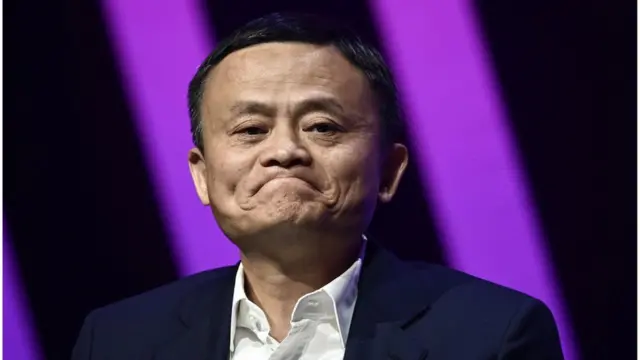
Di most high-profile disappearing billionaire na Alibaba founder Jack Ma. Di richest pesin for China at dat time, vanish for late 2020 afta criticising di kontri financial regulators.
Dem suspend di planned mega-listing of shares in financial technology giant Ant Group.
And upon donating almost $10bn (£8.4bn) to di 'Common Prosperity' fund, dem neva see am for China for more than two years.
Dem neva also don charge am with any crimes.
Wia dis foto come from, Getty Images
Mr Ma whereabouts remain unclear, although reports come out say dem see am for Japan, Thailand and Australia in recent months.
Di Chinese goment insist say di actions wey dem take against some of di kontri richest pipo dey purely on legal grounds and don pledge to root out corruption.
But Beijing actions also come under di condition of plenti years of liberalisation of wetin now be di world second largest economy.
Dis opening up help to create plenti of multi-billionaires who, with dia plenti wealth, get di potential to useconsiderable power.
Now, some observers say, under Mr Xi, di Chinese Communist Party want dat power back and dem dey go about di task in ways wey often dey cover in mystery.
Di theory na like dis: Big business, especially di technology industry, see dia power dey grow under di policies of Mr Xi's predecessors Jiang Zemin and Hu Jintao.
Before dat, Beijing focus dey on traditional centres of power, including di military, heavy industry and local goments.
While maintaining tight grip on these areas, Mr Xi don widened im focus to bring even more of di economy under im control.
Im Common Prosperity policy don dee major crackdowns for much of di economy, with di technology industry coming in for particular scrutiny.
"Sometimes, dis incidents dey planned in a way to send wider message, particularly to specific industry or interest group," Nick Marro from di Economist Intelligence Unit tell di BBC.
"At di end of di day, e show attempt to centralise control and authority ova certain part of di economy, wey don be key feature of Xi governance style ova di past decade," e add.
"Beijing remain focused on making sure say big technology platforms and players no develop dia own brands and influence wey make dem difficult to rein in and more likely to go against Beijing's preferences," Paul Triolo, head of China and technology policy for global advisory firm Albright Stonebridge Group tok.
Also key to Common Prosperity na di rule of law and wey say di rules must apply to rich or poor alike.
Beijing maintain say di policy dey aimed at narrowing di widening wealth gap, wey many agreesay na major issue wey fit undermine di Communist Party position if dem leave am unaddressed.
Di don experience growing inequality - and report say Mr Xi don face pressure from ultra-leftists wey want to move closer to di party socialist roots.
Di mystery surrounding di billionaires' disappearances as well as wider concerns ova Beijing approach to business fit get significant unintended consequences.
Some China watchers suggest say di goment risks discouraging new business talent.
"Di danger for Beijing in making targets out of tech billionaires dey put more pressure on technology entrepreneurs hoping to become di next Jack Ma," Mr Triolo tok.
E be like say Mr Xi dey aware of di risk of spooking business sentiment, andfor one speech to NPC delegates dis week e stress di importance of di private sector to China.
But e also call on private enterprises and entrepreneurs to "be rich and responsible, rich and righteous, and rich and loving".
Besides di announcement of a new financial watchdog, dem also warn bankers last month not to follow di example of dia "hedonistic" Western counterparts.
Commentators see dis as further evidence say Mr Xi get di financial system for im sights.
"In recent months, we don dey see hints of di Common Prosperity agenda bleed into financial services, particularly with regards to remuneration and bonus schemes for senior executives, plus di pay gaps between management and junior staff," Mr Marro tok.
E remains to dey seen weda or not Mr Xi crackdown on billionaires go help am significantly tighten im grip on power.
Wetin dey certainly at risk though na confidence in China financial markets, businesses and ultimately di economy as a whole.