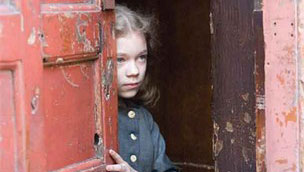
In the Victorian period, linen production moved from people’s homes to large linen mills where much more material could be produced. Investigate the working conditions in the mills by playing the following video and audio clips:
- BBC Legacies: A reconstruction of a linen mill worker’s lifestyle [Real Media Video]
- BBC Legacies The damp and the dust: [Real Media audio]
- BBC Legacies The Linen processes and the doffers routine [Real Media audio]
- BBC Legacies Spinning Conditions [Real Media audio]
- BBC Legacies St Patrick day fun: [Real Media audio]
- BBC Legacies Drinking Vinegar: [Real Media audio]
- BBC Today & Yesterday: The Doffing Mistress Teacher's notes & Worksheets [article & PDF]
In groups, ask the pupils to come up with a list of words that would describe the conditions in the linen mills. Why did people not complain about the conditions? Why did children have to work in the mills?
Most people accepted children not going to school and people working in bad conditions as normal, but some people fought to improve conditions for workers. Imagine that you are a newspaper reporter from the Victorian era. Write a newspaper report describing the conditions in Irish linen mills that you see. You can make up quotes from the mill workers, supervisors and mill owners to illustrate your article.
The United Nations Convention on the Rights of the Child (UNCRC) is an international agreement which states the rights that all children should have. Use the link below to identify which of these rights were denied to children working in Victorian Mills.
- United Nations Convention on the Rights of the Child [external link: article]