Summary

  • Denmark and Norway have suspended use of the Oxford-AstraZeneca vaccine after a woman who received a dose died from a blood clot

  • AstraZeneca says its vaccine is safe and both the EU and UK drugs regulators say there is no evidence of a link between the vaccine and the death

  • Four more cases of the Covid variant of concern first found in Brazil have been identified in England, bringing the total in the UK to 10

  • The World Health Organization (WHO) officially declared Covid-19 a pandemic one year ago today

  • Since then, there have been more than 118 million cases and 2.6 million deaths across nearly 200 countries

  • The US has the highest number of deaths, with 527,039 now recorded; Brazil is second with 270,656

  • Research suggests cancer patients are less protected against Covid-19 than other people after one dose of the Pfizer vaccine

  1. Raab 'confident' in Oxford jab but 'respects' Norway and Denmark suspensionpublished at 16:01 GMT 11 March 2021

    Foreign Secretary Dominic Raab is the latest UK minister to reiterate that the Oxford-AstraZeneca Covid vaccine is safe, following Denmark and Norway's decision to temporarily halt use of the jab.

    The suspensions come after Danish reports of some people having blood clots after vaccination, and one death.

    Speaking during a press conference as part of a visit to Norway, Raab said: "We're very confident as a result of the rigorous domestic checks we had that the vaccine is safe to take, but of course we at the same time respect that each country wants to follow their regulatory processes very carefully."

    Almost 23 million people in the UK have had at least one dose of a coronavirus vaccine.
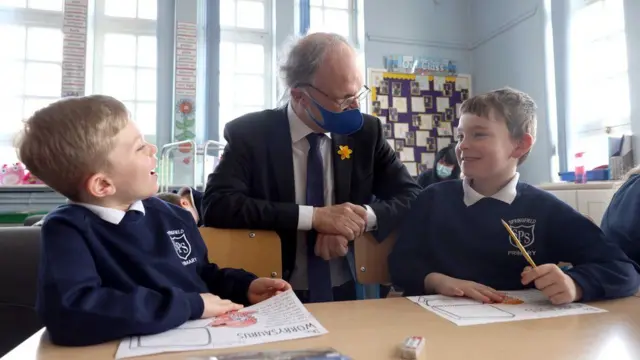
  2. No return to home-schooling for youngest pupils in Northern Irelandpublished at 15:51 GMT 11 March 2021

    Peter Weir with two pupilsImage source, Pacemaker

    The youngest pupils in primary schools in Northern Ireland will be allowed to remain in class, it is understood.

    Children in years primary one to primary three were due to revert to remote learning from 22 March.

    But the original plan is to be scrapped after the Executive agreed to a proposal from Education Minister Peter Weir.

    However it is understood no decision has been taken yet on when all other pupils should return to school, with coronavirus regulations due to be reviewed on 16 March.

  3. Chancellor 'kept up at night' by unemployment levelpublished at 15:44 GMT 11 March 2021

    Jonathan Blake
    BBC political correspondent

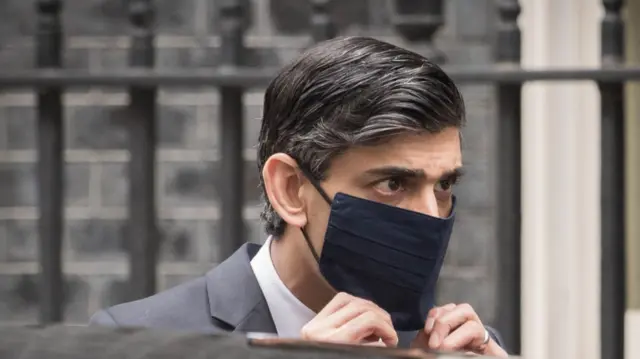
    Rishi SunakImage source, PA Media

    The chancellor has been telling fellow MPs he is "constantly kept up at night" by the level of unemployment.

    Speaking to the Treasury Select Committee, Rishi Sunak says "the exact path of the labour market is one I'm constantly kept up at night by".

    "Sadly three quarters of a million people have already lost their jobs and more are forecast to do so," he says.

    "Minimising the number of those unemployed and finding new opportunities is a thing that keeps me up at night."

    He also says that greater than forecast economic scarring as a result of the pandemic "would be of concern" and warns of the "significant impact" that a rise in interest rates could have on the economy.

  4. France eases travel for UK and six other countriespublished at 15:34 GMT 11 March 2021

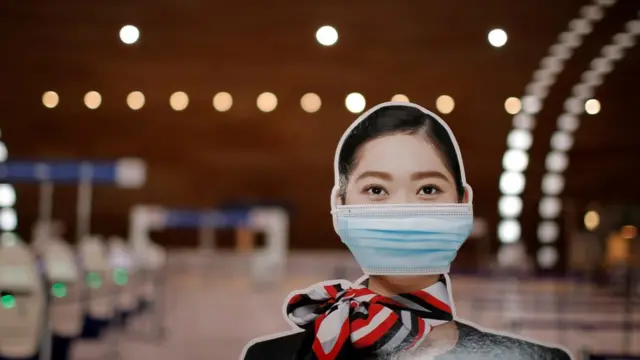
    Cardboard cut out of a Japan Airlines stewardess wearing a protective face mask at Paris Charles de Gaulle airport in Roissy near Paris on 5 February 2021Image source, Reuters

    France is easing restrictions on travel to and from seven countries outside the EU, including the UK.

    The country's foreign ministry says people no longer need to give a "compelling reason" for travel to Australia, Israel, Japan, Singapore, South Korea, New Zealand and Britain.

    All non-essential travel was banned by the French government on 31 January as it tried to curb the spread of Covid-19 variants, including the UK variant. Safety measures remain in place for travellers.

    All passengers arriving in France will still need to provide a negative Covid-19 test result issued less than 72 hours before they travel, the ministry said.

    French Tourism Minister Jean-Baptiste Lemoyne says the decision to ease restrictions was taken because of the improving health situation in the seven countries.

    He said that Britain would be included "because the UK variant now also circulates widely in France". Here's more on that story.

  5. What do we know about the Brazil variant?published at 15:25 GMT 11 March 2021

    Graphic of globe surrounded by virusesImage source, Getty Images

    As we reported a moment ago, four more cases of the Brazil, or Manaus, variant of coronavirus have been identified in the UK, taking the total number found in the country to 10.

    Some variants, like this one, appear to be more contagious.

    There is no evidence that any of them cause much more serious illness for the vast majority of people who become infected.

    One concern is whether current vaccines will continue to work against new variants and a study, external suggests the Brazilian variant may resist antibodies in people who have caught and recovered from an earlier version.

    But early lab results , externalsuggest the Pfizer vaccine can protect against the new variants, although slightly less effectively.

    You can read more about the variants of the virus which have been found in the UK here.

  6. New variant under investigation in Englandpublished at 15:17 GMT 11 March 2021

    An eight channel pipetteImage source, PA Media

    A new variant of coronavirus has been designated as a variant under investigation (VUI) by Public Health England (PHE), meaning it is on a watchlist but is not an immediate concern.

    The variant, VUI-202103/01, was first identified in two individuals in south-east England who had recently travelled to Antigua in the Caribbean.

    It contains the spike mutations E484K and N501Y, both usually associated with variants of concern - such as those first identified in South Africa and Brazil.

    But it but does not feature the specific deletions which would lead to it being designated a variant of concern, PHE says.

    Contact tracing teams have completed thorough investigations to identify and follow up any close contacts and no other cases have yet been found, the health body adds.

  7. From Hollywood glamour to food donationspublished at 15:11 GMT 11 March 2021

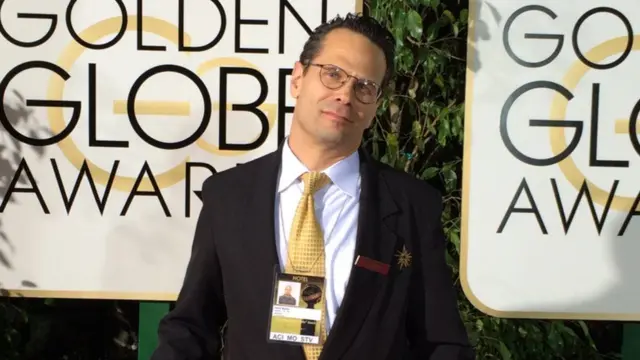
    David BeenenImage source, David Beenen

    Working at the Beverly Hilton hotel since 2001, David Beenen, 50, has waited on everyone from Brad Pitt and Angelina Jolie to Kate Winslet and Dame Judi Dench.

    The hotel is normally home to the Golden Globes among other Hollywood events - but the pandemic has stopped that.

    Beenen, a single father, says he felt "confusion and panic" as the crisis took hold and, although his hotel was supportive of laid-off staff, he says the past year has been "extremely challenging".

    "I am behind several months on rent payments and other bills," he says. "I went from a high-octane, lucrative Hollywood career full of glitz and glam, to collecting unemployment money and food donations to survive."

    With in-person large award ceremonies not happening for a while, he is strongly considering a career change.

    Read more stories on how the people who work behind the scenes during award season are coping with the pandemic here.

  8. WATCH: All-female choir 'longing to sing together again'published at 15:00 GMT 11 March 2021

    An all-female barbershop choir says there will be "happy tears" when they can reunite, and that they are "longing to sing together again".

    The 70 members of the Cheshire Chord Company in north-west England have used the group as a support service for each other during the pandemic.

    Choir member Julie Phillips, 41, says it will be "extremely emotional" when the group are able to meet in person again, instead of online.

  9. AstraZeneca vaccine 'safe' despite suspensions - No 10published at 14:50 GMT 11 March 2021

    VaccineImage source, EPA

    Downing Street says the Oxford-AstraZeneca vaccine is "safe and effective", following the news both Denmark and Norway have temporarily halted using it over concerns about a small number of blood clots in people who have had the jab.

    UK Prime Minister Boris Johnson's spokesman says: "We've been clear that it's both safe and effective... and when people are asked to come forward and take it, they should do so in confidence."

    The UK medicines watchdog, the Medicines and Healthcare products Regulatory Agency, says evidence has not confirmed the vaccine caused the problems, and that people should still go and get their Covid-19 vaccine when asked to do so.

  10. Four more cases of Brazil variant identified in Englandpublished at 14:43 GMT 11 March 2021
    Breaking

    Four more cases of the coronavirus variant of concern first identified in Brazil have been found in England, Public Health England (PHE) says.

    Three of the cases of the P.1 variant have been identified in South Gloucestershire and one in Bradford, West Yorkshire.

    The cases in Gloucestershire are all close or household contacts of the two existing cases in the area.

    The individual in Bradford tested positive for Covid-19 in late February after travelling back from Brazil via Paris on 14 February.

    Contact tracing teams have followed up close contacts of the individual and advised them to isolate and get a test, PHE says.

    The new cases bring the total number of Brazil variant cases in the UK to 10.

    You can read the full story here.

  11. Norway follows Denmark in halting use of Oxford-AstraZeneca jabpublished at 14:29 GMT 11 March 2021

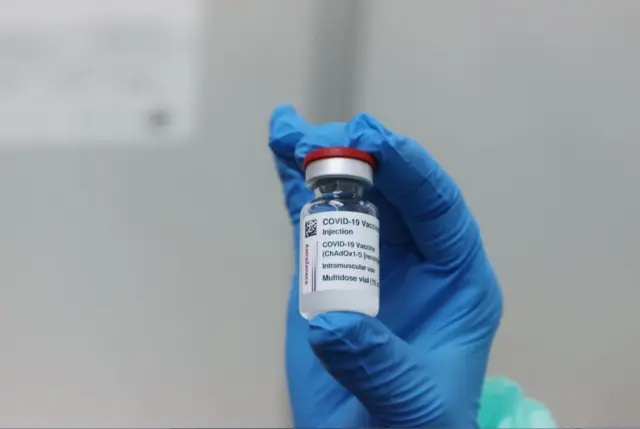
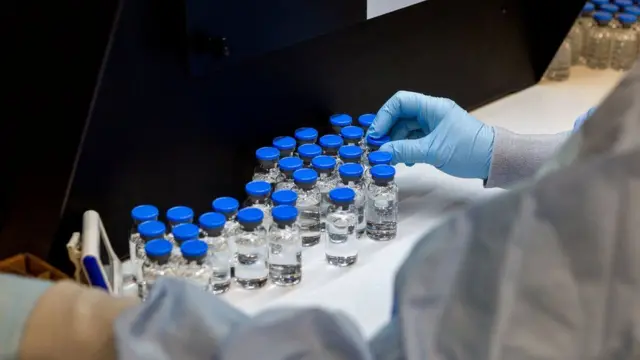
    Vial of Oxford-AstraZeneca jabImage source, PA Media

    Norway is following Denmark in suspending the use of the Oxford-AstraZeneca Covid-19 vaccine after reports of a small number of people who have received a jab developed blood clots, and one person died.

    As we told you earlier, Denmark has ordered a two-week halt on the use of the jab as a precaution.

    AstraZeneca says the vaccine goes through "stringent" safety checks before being approved for use by regulators and clinical data shows the vaccine has been "generally well-tolerated".

    Dr Phil Bryan, vaccines safety lead for the UK's medicines watchdog, says vaccine safety is of "paramount importance" and that it had not been confirmed that the report of a blood clot in Denmark is related to the AstraZeneca jab.

    He adds more than 11 million doses of the vaccine have been administered across the UK with reports of blood clots "not greater than the number that would have occurred naturally in the vaccinated population".

  12. The 'working poor' are hardest hit by Covid, study suggestspublished at 14:23 GMT 11 March 2021

    Deborah Cohen and Jake Morris
    Newsnight

    The fact that Covid infection rates have been higher in poorer communities has been well documented.

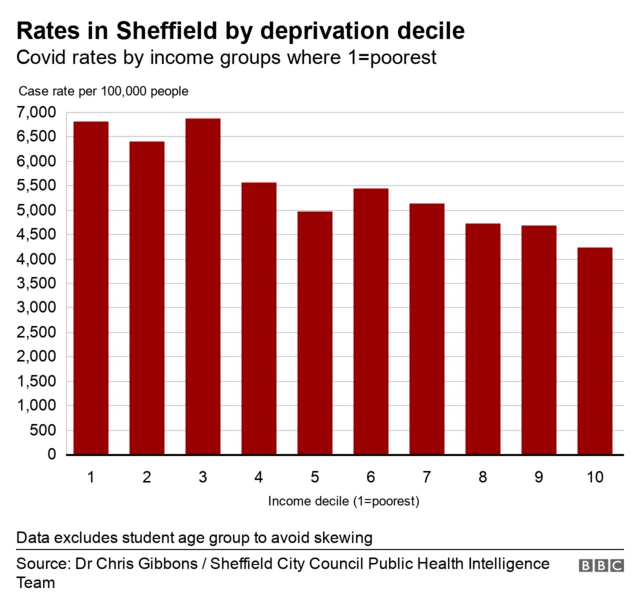
    But analysis from one major UK city reveals it is not the most deprived who have borne the greatest burden - rather the so-called working poor.

    A study by Sheffield council shows people in low-paid jobs with insecure contracts and those who couldn't afford to isolate have been hardest hit by the disease in the city.

    The council split its population into 10 income brackets, from the wealthiest to the most deprived, and looked at Covid case rates in each group.

    Graph

    While the rates were generally greater among the less well-off, they were highest of all in the third income group, rather than the poorest or second poorest.

    Here's what the study showed.

  13. Global cases pass 118 million as Brazil infections soarpublished at 14:11 GMT 11 March 2021

    Graveyard in BrazilImage source, EPA
    Image caption,

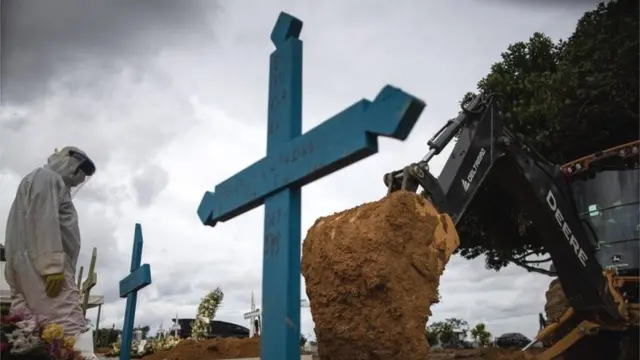
    Brazil is the country with the second highest number of Covid fatalities worldwide

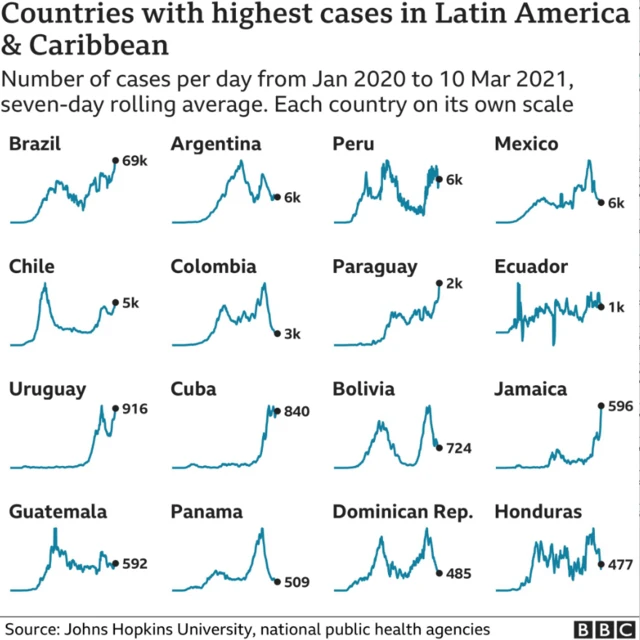
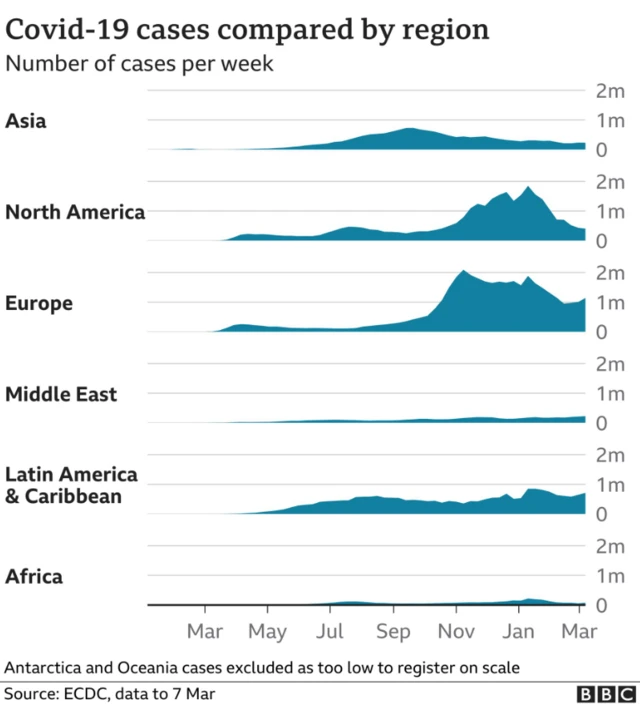
    Here's a selection of a few of our charts and graphs visualising the spread of Covid across the globe.

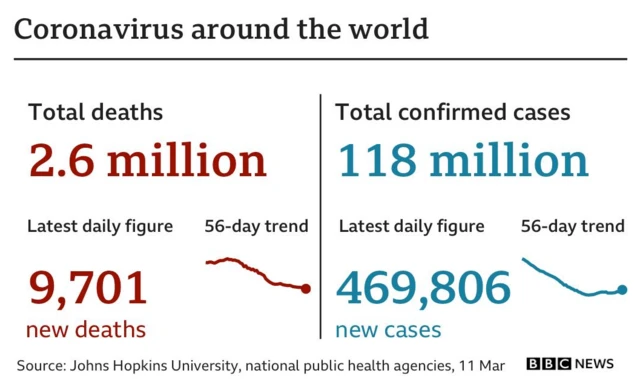
    Since the World Health Organization declared the Covid-19 pandemic a year ago today, there have been more than 118 million cases and 2.6 million deaths.

    You can see from the Latin America graph below that infection rates are particularly high in Brazil. The country has recorded more than 2,000 Covid-related deaths in a single day for the first time. President Jair Bolsonaro has downplayed the threat from the virus, telling people earlier this week to "stop whining".

    Covid in Latin America
    Summary statistics of pandemic
    Charts showing Covid cases by geographical region
  14. Lunchtime headlines from across the worldpublished at 13:59 GMT 11 March 2021

    Hospital wardImage source, PA Media

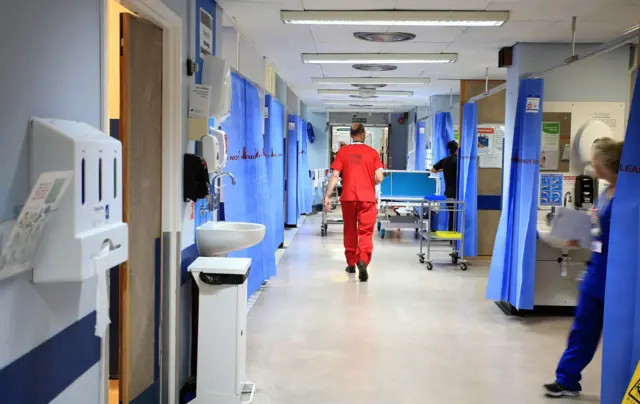
    If you're just joining us, here are some of the coronavirus headlines from around the world this lunchtime.

  15. Sturgeon pressed on 'thousands' awaiting cancer diagnosespublished at 13:46 GMT 11 March 2021

    Operating theatre stock imageImage source, Getty Images

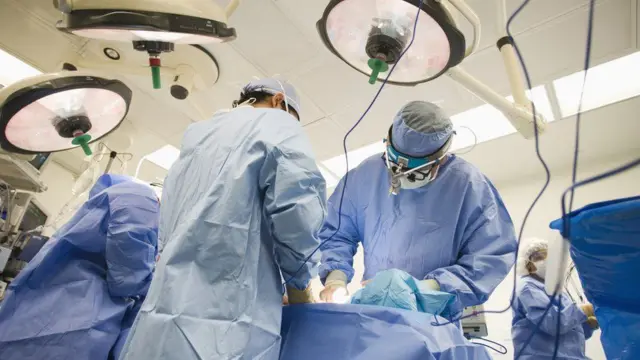
    During First Minister's Questions in Scotland, Nicola Sturgeon is asked about thousands of people going without cancer treatment during the pandemic.

    Scottish Labour leader Anas Sarwar says 7,000 fewer people had a confirmed cancer diagnosis in the first eight months of the pandemic, and it remains Scotland's biggest killer.

    He says urgent cancer referrals have dropped by 22% and there are thousands more people who suspect they have cancer and are waiting for diagnosis.

    Macmillan Cancern Research believes diagnoses are "nowhere near fast enough", Sarwar says.

    The first minister agrees with Sarwar's concerns and says she's funding health boards to remobilise cancer services. Sturgeon urges anyone with worries, concerns or changes to contact their GP immediately.

    One of the main Covid developments in England today is that figures show the surge in virus cases in January has hit cancer services.

  16. Mum ‘is stricter than my teachers’published at 13:31 GMT 11 March 2021

    BBC Radio 5 Live

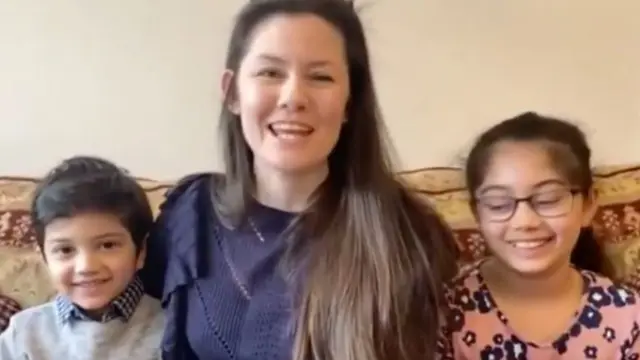
    Amanda with her children Hari and Ishani
    Image caption,

    Amanda with her children Hari and Ishani who can't return to school because they are shielding

    While millions of children returned to school this week, there are thousands who aren't allowed to go back because they're shielding.

    Ten-year-old Ishani and her six-year-old brother Hari are among the 54,000 under-18s shielding in England.

    They've been speaking to BBC Radio 5 Live's Breakfast progamme about what it’s like not being able to go back to school.

    Hari says he is missing playing football and running with his friends.

    Ishani adds: "[Mum] is stricter than my teachers at school, but she's a very good teacher!"

    Watch the interview here, external or listen to 5 Live on the free BBC Sounds app.

  17. Analysis: Promising trial of new Covid antibody treatmentpublished at 13:14 GMT 11 March 2021

    Philippa Roxby
    Health reporter, BBC News

    Drug trialImage source, Reuters

    The trial of a new drug treatment against Covid-19 appears to have been so successful it has been stopped early.

    According to GSK and Vir Biotechnology, the pharmaceutical companies behind the monoclonal antibody treatment called VIR-7831, it has reduced hospitalisation or death by 85%.

    The drug was tested on 583 patients in US, Brazil and Spain who were all at high risk of being admitted to hospital with Covid – but we have little more information.

    The full data on the trial has not yet been published, making it difficult to judge exactly how effective it is.

    This kind of treatment holds real promise against Covid and several types of monoclonal antibodies have already been authorised for use.

    They provide artificial immunity to patients by making antibodies for them in a bioreactor.

    Vaccines, on the other hand, trigger the body to make their own antibodies to fight off disease from the virus.

    Despite the existence of vaccines, there is still a need for good and effective treatments – particularly for those who have weaker immune systems.

  18. Wales' stay-local rules 'hard to police', says police commissionerpublished at 13:03 GMT 11 March 2021

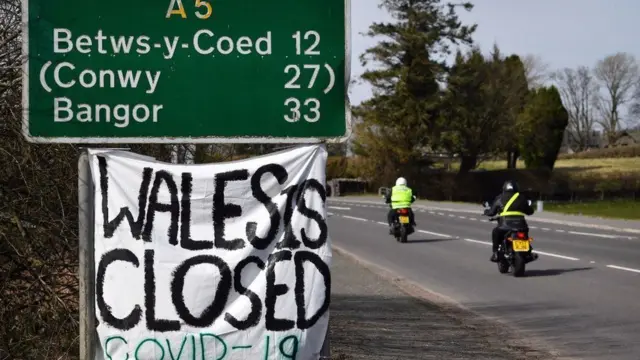
    Wales road signImage source, Getty Images

    We told you earlier that the Welsh government is expected to announce a "stay local" rule on Friday.

    But a police commissioner is urging people to take personal responsibility for this because such a rule is "hard" to police.

    Dyfed-Powys Police's commissioner, Dafydd Llywelyn, says stay-local rules are open to interpretation, which makes it difficult for officers.

    First Minister Mark Drakeford previously suggested there could be an easing of stay-at-home rules. He is due to review Covid restrictions on Friday.

    Llywelyn says: "It's going to be really challenging because there is going to be an interpretation of what 'stay local' means."

    Health minister Vaughan Gething has suggested people living in rural areas might be able to travel further to access facilities easily available to people in urban areas.

    Here's more on the stay-local message.

  19. Schools to reopen as planned in Scotlandpublished at 12:57 GMT 11 March 2021

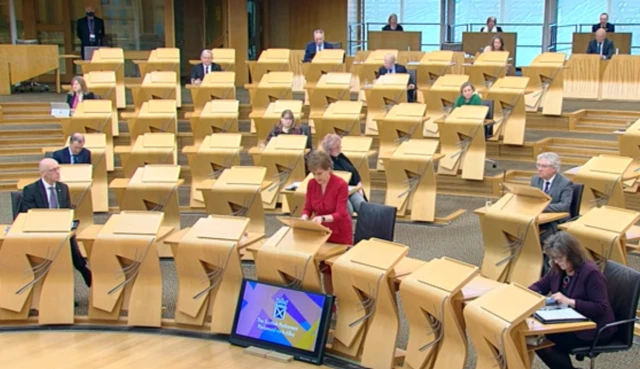
    First Minister's Questions

    As we've been reporting, it's one year to the day that the World Health Organization declared Covid-19 a global pandemic.

    In an update to MSPs, Nicola Sturgeon says the past 12 months have been "incredibly tough" but we can now have cautious optimism.

    She says case numbers, hospitalisations and deaths have all fallen in recent weeks and she expects the R rate - the average number of people each infected person passes the virus to - to stay below one when it is published later today.

    Some 40% of the population have received a first dose of the vaccine.

    Sturgeon confirms the planned reopening of schools will go ahead on Monday, as will the plans to change rules on outdoor meetings.

    Plans for the phased reopening of the economy will be announced on Tuesday.

  20. Virtual reality headsets for work ‘could snowball’published at 12:53 GMT 11 March 2021

    Virtual reality headsetImage source, TYTO PR

    Use of virtual reality headsets for workplace meetings could "snowball", a business group has said, as firms try to blend home and office working.

    "We're likely to see it really take off quite quickly," Joe Fitzsimons of the Institute of Directors tells the BBC's Wake Up To Money programme.

    He's been investigating how firms are using tech to help staff based at home and in the office to work together.

    Companies are looking at alternatives to using services such as Zoom.

    "I think there will be a snowball effect of the benefits being so clear that organisations come to terms with it and employ it as fast as they can," says Mr Fitzsimons.

    Here's what virtual reality meetings are like.