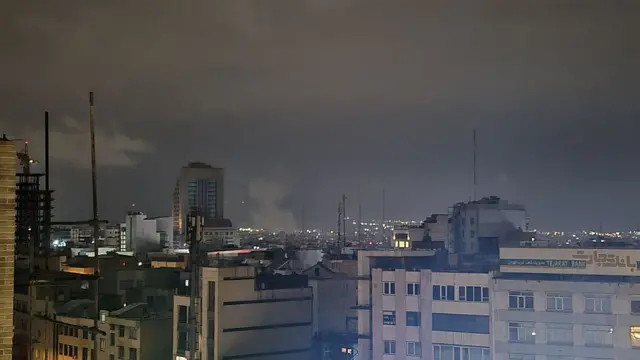
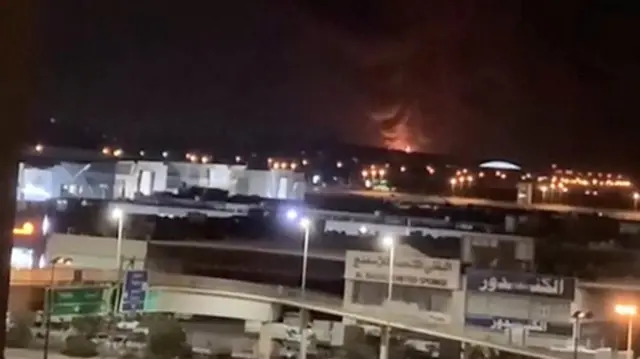
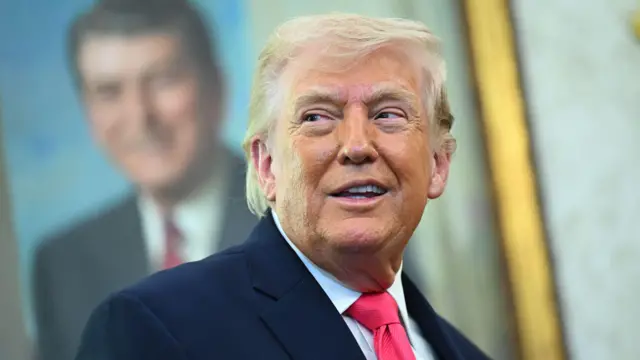
Summary

  1. Why is Iran firing on its neighbours?published at 11:23 GMT 25 March

    As we've reported, this morning the Gulf states of Saudi Arabia and Kuwait say drones have been fired towards them.

    Elsewhere in the conflict, Qatar, the UAE, Oman and Bahrain have all been targeted by Iran, which aimed at US military bases as well as civilian and energy infrastructure across the region.

    So why would Iran target its neighbours?

    Our correspondent Barbara Plett-Usher explains that Iran is targeting the region's image as a safe, prosperous hub for travel, tourism and finance, and is weaponising the vital oil and gas industry - disrupting that could send shockwaves through the global economy.

    This raises the stakes for its Arab neighbours, who may now increase pressure on the US to end the war.

  2. Drones intercepted in Gulf states as Israel says missiles fired towards itpublished at 11:10 GMT 25 March

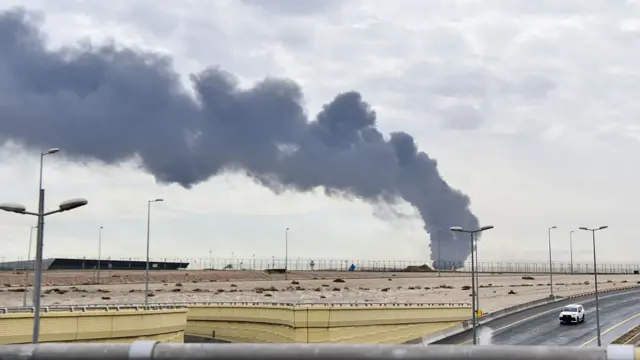
    Smoke rises after Iranian-sourced unmanned aerial vehicleImage source, Anadolu via Getty Images
    Image caption,

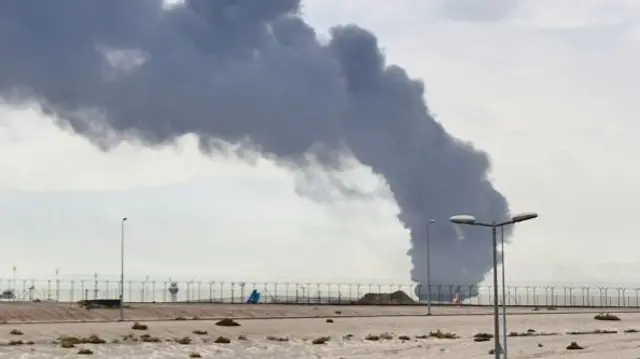
    Smoke rises after an Iranian drone attacks a fuel depot at Kuwait International Airport in Kuwait City

    Saudi Arabia's Ministry of Defense says it has intercepted and destroyed three drones in the east of the country.

    Civil defense officials say shrapnel from an intercepted ballistic missile fell on the roofs of two houses in the region - but no injuries have been reported.

    It's the latest in a series of incidents in recent hours - overnight, authorities reported intercepting several drones.

    Neighbouring Kuwait has said it downed six drones in the early morning, according to National Guard spokesperson Jadaan Fadel.

    Last night, a drone strike hit Kuwait's airport, causing a fire.

    Bahrain has also been the target of Iranian strikes, with its defence force saying that its air defence systems "continue to confront successive waves of Iranian terrorist aggressions". It says that 153 missiles and 331 drones have now been intercepted and destroyed since hostilities began on 28 February.

    Meanwhile, in Israel, the military has reported five separate incidents of missile fire from Iran towards the country today. The impact is not yet known.

  3. BBC Verify

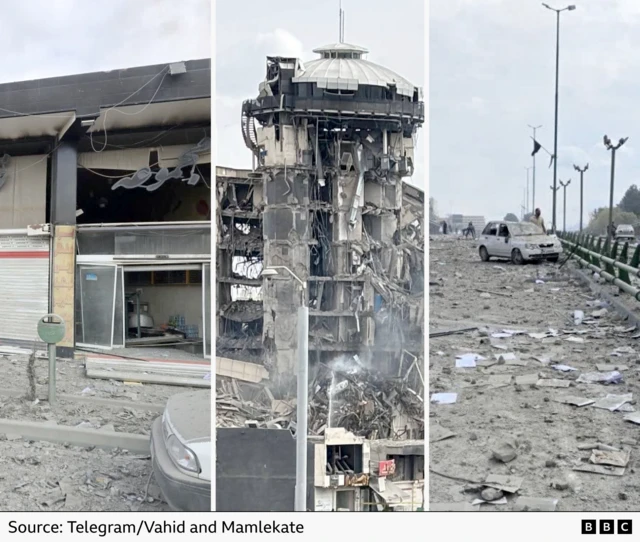
    Large building and nearby shops damaged after strike in Isfahanpublished at 10:59 GMT 25 March

    Three pictures showing damage to (left) shops and restaurants near the blast, (c) the damaged building and (r) papers strewn across an underpass

    By Shayan Sardarizadeh and Farida Elsebai

    Videos and images seen by BBC Verify show significant damage to a large building and nearby shops in the Iranian city of Isfahan following air strikes yesterday.

    The strikes appear to have targeted a high-rise building with a distinctive circular top on a major street in the north of the city. The images show significant damage to the building’s structure.

    Some Iranian social media users claim the building was used by an optics industry firm, but the BBC has not been able to confirm that.

    A video of the aftermath of the strike shows debris on Isfahan’s Kaveh Boulevard. Papers can be seen scattered near an underpass while people look at the damage.

    Footage shared on social media also shows damage to several shops near the building and across the road which was likely caused by the blast wave.

    A restaurant, a supermarket, a clothing store and a cafe all appear to have been damaged.

  4. Pictures show missile strikes and smoke rising across Middle Eastpublished at 10:46 GMT 25 March

    It's still not clear whether talks are happening between the US and Iran, but fighting is continuing.

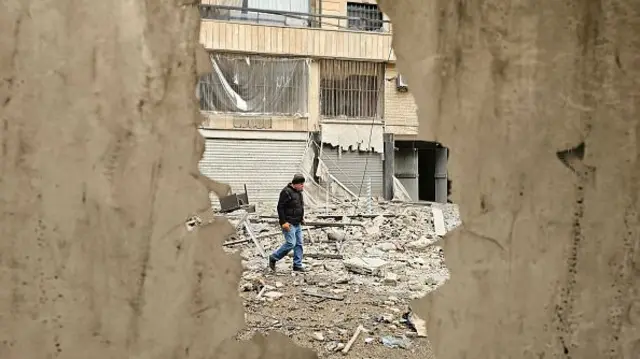
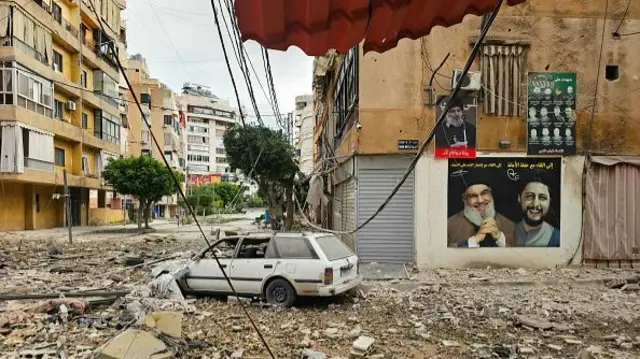
    Pictures show the scale of destruction in the southern suburbs of Beirut after Israeli air strikes.

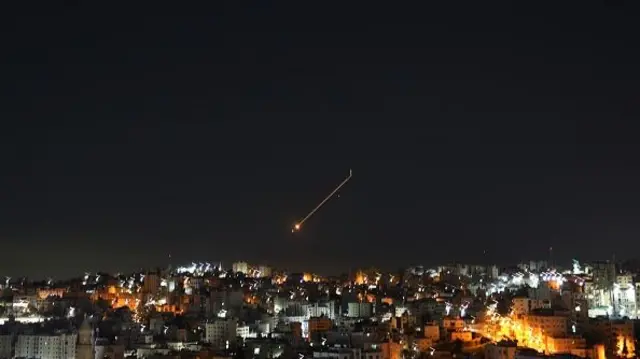
    At the same time, missiles have been seen streaking across the sky above the West Bank as Iran launches attacks towards Israel.

    Thick clouds of smoke were also seen rising after drones targeted a fuel tank at Kuwait International Airport.

    Thick clouds of smoke rise near a row of metal fencesImage source, Getty Images
    Image caption,

    Smoke rises after a drone attack on a fuel depot at Kuwait International Airport

    A man is photographed through a hole in the wall as he walks along a street strewn with building debris at the site of an overnight Israeli airstrikeImage source, Getty Images
    Image caption,

    A man walks through debris at the site of an Israeli air strike in the southern suburbs of Beirut

    A white car sits surrounded by debris following an Israeli airstrike in BeirutImage source, Getty Images
    Image caption,

    Debris litters a street in a neighbourhood in the southern suburbs of Beirut

    An orange line is drawn across the night sky above the city of Hebron following a missileImage source, Getty Images
    Image caption,

    Missiles fired towards Israel seen in the skies over Hebron in the West Bank

  5. Talks or no talks? A recap of what has been happening this weekpublished at 10:37 GMT 25 March

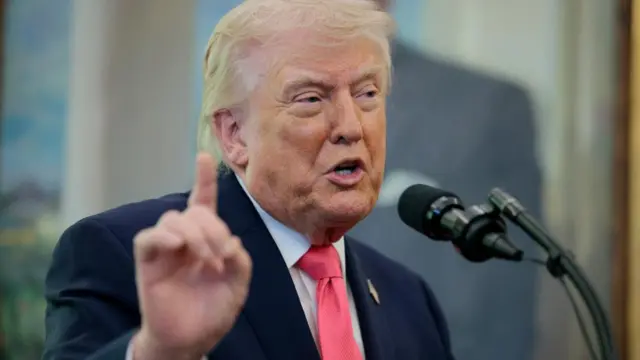
    President Donald TrumpImage source, Reuters

    The week began with high tensions over Donald Trump's threat to use overwhelming force against Iranian energy facilities.

    Trump said the US would "obliterate" Iran's "various power plants, starting with the biggest one first", giving Iran 48 hours to allow shipping to resume in the Strait of Hormuz.

    On Monday, shortly before the deadline, Trump announced Iran had returned to the negotiating table, so he was postponing strikes on power plants.

    However, Iran denied that talks were taking place.

    On Tuesday, the US sent a 15-point plan to Iran, repeating his statements about talks with a high-level Iranian official. President Trump said Iran had given the US a "very big present worth a tremendous amount of money".

    It's not clear whether talks are actually happening. As our Washington correspondent Daniel Bush wrote, "Iran is known for publicly denying that it’s in talks with Washington, even when they are taking place behind the scenes," while "Trump has also set numerous diplomatic deadlines in the past, only to blow past them or announce new ones."

  6. US 15-point plan 'beautiful on paper' but Iran unlikely to agree, says Israel's economy ministerpublished at 10:24 GMT 25 March

    Lucy Williamson
    Middle East correspondent, reporting from Jerusalem

    Israel’s economy minister, Nir Barkat, has told the BBC that it was "probably" unlikely that Iran would agree to the 15-point plan reportedly put forward by the American administration, describing it as "beautiful on paper", but in need of guarantees if it were to be implemented.

    Iran’s regime was "not going to change", he said, and Israel’s main objectives for the war were to leave Iran with "no nukes, no missiles and no proxies".

    “If we get to that goal tomorrow by them raising a white flag or signing a deal and commit to the deal, or we will need additional blows to the regime of Iran - including what President Trump, I believe, is planning... I trust that President Trump and Prime Minister Netanyahu are aligned on these goals and we will accomplish them one way or the other,” he said.

    “On one hand, maybe Trump is opening up discussions, but he's also bringing troops to the region, and he's basically saying to the Iranian people that we mean business,” he told me.

    “I believe at the end of this round, we will accomplish the goals, with or without a deal.”

    On the question of whether Israel and the US were aligned on the 15-point plan itself, he said: "Let’s leave it vague."

    Asked directly whether Israel was involved in drawing up the proposals, he looked down, raised his hands with half a smile, and remained silent.

    Media caption,

    Israeli minister on whether they are aligned with US on 15-point plan

  7. Analysis

    The more Trump says Iran is desperate for a deal, the less inclined Iran is to agreepublished at 10:03 GMT 25 March

    Frank Gardner
    Security correspondent in Doha

    When one side, the US, says there are ongoing negotiations and the other side, Iran, says "no there are not", then who to believe?

    Here in Qatar, a country that has a close defence and security alliance with the US, and also until a month ago, a good working relationship with Iran, government officials have stressed they are not part of any ongoing search for a US-Iran deal.

    Qatar hosts the largest US base in the region at Al-Udeid, just outside the capital Doha, but publicly argued against attacking Iran in the run-up to this war.

    “We talk to the Americans every day,” says Qatar Foreign Ministry spokesman Majid al-Ansari. “But our priorities are right now to protect and defend our territory”.

    There are active diplomatic channels running between Washington and countries in the wider region – Turkey, Pakistan and Egypt – which in turn can pass on messages to Iran.

    That is not the same as negotiations. The continued existence of the Islamic Republic regime has emboldened its members and its demands.

    It now expects to retain more control over the vital Strait of Hormuz than it did before. But the more the White House tells the world that Iran is desperate for a deal, the less inclined Iran is to make one.

  8. Pakistan officials say Iran receives 15-point US plan - APpublished at 09:56 GMT 25 March

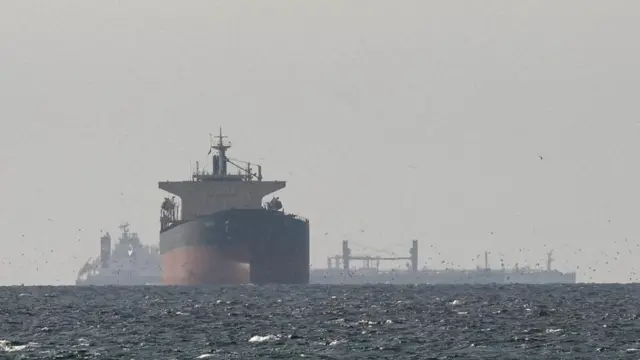
    Cargo ships in the Gulf, near the Strait of Hormuz, as seen from northern Ras al-KhaimahImage source, Reuters
    Image caption,

    Access for shipping through the Strait of Hormuz is reportedly included in the 15-point US plan

    The Associated Press news agency reports that Iran has received a 15-point plan from the US for reaching a ceasefire in the US-Israel war with Iran, citing two Pakistani officials.

    The Pakistani officials reportedly said the proposal broadly covers the following:

    • Sanctions relief
    • Civilian nuclear co-operation
    • A rollback of Iran’s nuclear programme
    • Monitoring by the International Atomic Energy Agency
    • Missile limits, and access for shipping through the Strait of Hormuz

    Pakistan Prime Minister Shehbaz Sharif said earlier that the country was "ready" to host talks for a settlement of the conflict.

    Israel's Channel 12 has also reported on the plan. You can read a full breakdown of the reports in our earlier post.

    There’s been no confirmation of the details from the White House. Iranian military has denied it’s negotiating with the US.

  9. Iranian ambassador says no negotiations between US and Iran - state mediapublished at 09:49 GMT 25 March

    Iran's ambassador to Pakistan, Reza Amiri Moghadam, says "no direct or indirect negotiations" have taken place between the US and Iran, according to Iranian state media IRNA.

    Earlier, US President Donald Trump said his administration was "talking to the right people" in Iran, and "they want to make a deal so badly". But a spokesman for the Iranian military said the US was "negotiating with itself".

    Pakistan Prime Minister Shehbaz Sharif said in a social media post on Tuesday that the country was "ready" to host talks for a settlement of the conflict.

    Amiri Moghadam says that "friendly countries seek to lay the ground for dialogue between Tehran and Washington, which we hope will be fruitful in ending this imposed war", according to IRNA.

  10. Iraq says seven fighters killed in strikespublished at 09:36 GMT 25 March

    Seven Iraqi fighters have been killed and 13 injured at a base in western Iraq, Iraq's defence ministry says.

    The base's military health care clinic was among the targets in the air strike in Anbar province on Wednesday, the ministry says in a statement. Rescue operations are still under way, it adds.

    The base hosts Iraqi police, regular army soldiers, and Iraq's paramilitary group, the Shia-dominated Hashed al-Shaabi (Popular Mobilisation Forces, PMF), a security official told AFP news agency.

    The strike follows the deadliest attack on Iraq since the war began in the Middle East, which killed 15 Iraqi fighters. PMF said they were killed in a US attack. The US has not commented.

    The PMF is an umbrella organisation of paramilitary groups, some of which are aligned with Iran.

    Both attacks took place at the same base, according to AFP.

  11. 'There are jets and drones above you, but we don’t panic' - Beirut aid workerpublished at 09:20 GMT 25 March

    Gabriela Pomeroy
    Live reporter

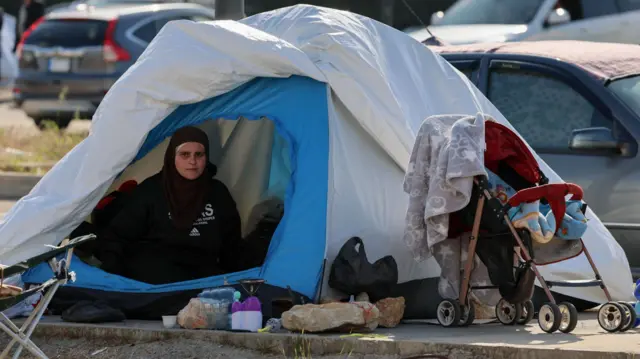
    A woman in a tent in BeirutImage source, EPA
    Image caption,

    Thousands have been displaced since Israel launched strikes targeting Hezbollah in south Lebanon and parts of Beirut

    Nour Matraji runs The Great Oven in the Geitawi area of Beirut, helping displaced people with food, mattresses and blankets.

    She helps both local residents and migrants from countries like Cameroon, Kenya, Bangladesh and Sierra Leone, who moved to Lebanon to work as domestic workers.

    “Many of these people are homeless now as they have been displaced from their homes," Matraji says, adding that they are sleeping in other people’s houses as they can’t get into official shelters.

    “Today we will get into my car packed to the brim and take food, shampoo, soap and blankets to about 500 people. Prices are up a lot, people are taking advantage.”

    She says she travels around the city "in survival mode".

    “We have certain red zones in Beirut - we make sure we avoid those areas - but a targeted killing can be anywhere,” she says.

    Matraji says people in Lebanon follow the evacuation orders posted by the Israeli military spokesman on social media.

    "You know that there are jets and drones above you. But we don’t panic."

    Nour MatrajiImage source, Nour Matraji
    Image caption,

    Nour Matraji says she avoids Beirut's red zones when distributing aid supplies around the city

  12. Iran's power spread out after death of Khamenei, expert sayspublished at 09:01 GMT 25 March

    Hooshang Amirahmadi, president of the American Iranian Council, tells the BBC that the killing of Supreme Leader Ayatollah Ali Khamenei spread the power structure among officials across the country.

    Because Khamenei had a "vertical power structure", his death led to its collapse, leaving leadership spread out among lower-ranking officials, Amierahmadi says.

    Speaking to BBC Radio 4's Today programme, he says this power is "particularly in the military".

    "There isn't a central figure" to co-ordinate who to hit with missiles, he adds.

    Amirahmadi says the establishment does not have power in the field, and is therefore scared of the officers who now have this new level of control.

  13. Why hasn't the Iranian establishment collapsed yet?published at 08:41 GMT 25 March

    Ghoncheh Habibiazad
    Senior reporter, BBC Persian

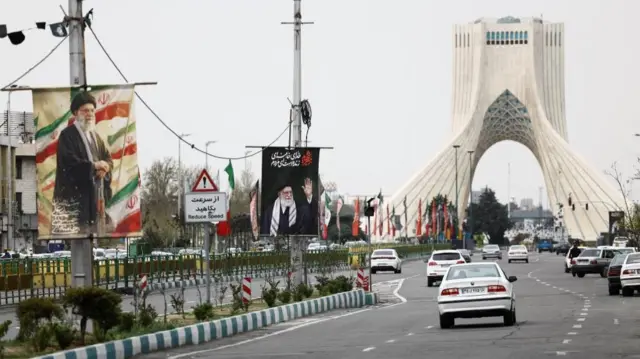
    Banners of the late Supreme Leader of Iran, Ayatollah Ali Khamenei, seen in Tehran on MondayImage source, Reuters
    Image caption,

    Banners of the late Supreme Leader of Iran, Ayatollah Ali Khamenei, seen in Tehran on Monday

    It's almost been a month since war started and Iran’s Supreme Leader, Ayatollah Ali Khamenei, was killed on 28 February.

    Some people inside Iran I’ve been speaking to expected the war to end that same day, but it didn’t. And Iran’s establishment is still in place.

    Iran has a very complex system of governing the country. While the Supreme Leader holds the highest authority, there is also a parallel state - the Islamic Revolutionary Guard Corps (IRGC), an institution whose power extends far beyond a formal military mandate.

    Several high-ranking IRGC commanders have been killed during this war and in the conflict last summer. But they have repeatedly said that for anyone killed, there is a replacement ready to take their place.

    The IRGC also controls the Basij, a volunteer militia with an estimated one million members, who are often deployed on the streets to use force to suppress dissent.

    Israel has said it has targeted some Basij checkpoints, but from what I heard from Tehran this week, these forces are still very much present in the city, stopping cars and carrying out searches.

    When it comes to protests, people inside the country have been threatened by the Iranian authorities, whether through statements or mass text messages, not to come out onto the streets to protest.

    The internet has also been heavily restricted - see our previous post - making coordination among protesters very difficult.

    So far, we haven’t seen mass anti-establishment protests erupt in the country since the war began, although state media shows nightly rallies by supporters of the establishment in different cities.

    But the person we have yet to see in public is Iran’s Supreme Leader, Mojtaba Khamenei, since his succession in early March. So far, we have only seen several written messages from him in Iranian media. Israel had vowed to target him.

    Although the Iranian establishment has replaced its leaders and manned its checkpoints, it has yet to prove it can govern a nation that currently appears to be held together apparently more by force, than by visible authority.

  14. Still no internet for most Iranians as wartime blackout continuespublished at 08:08 GMT 25 March

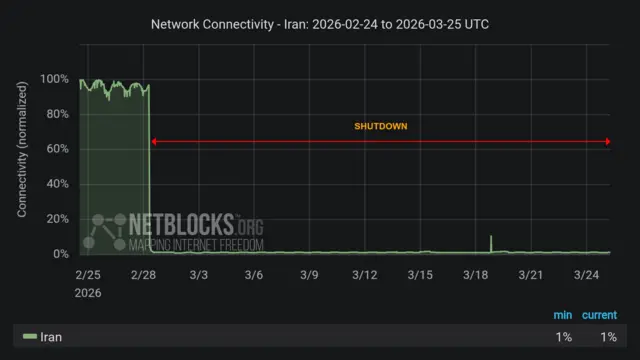
    A graphic shows the internet connectivity in Iran plummeting to close to 0% at the end of February and remaining around the same level sinceImage source, NetBlocks

    The government-imposed internet blackout in Iran has entered its 26th day and passed the 600-hour mark, internet monitoring group NetBlocks reports.

    NetBlocks says that the measure leaves people in Iran cut off from international networks, "violating their right to access information in times of war".

    Some Iranians have been able to get intermittent online access, and BBC Persian has managed to speak to some of them throughout the war.

    One woman told us earlier she "just wants to blink and have it all done and over". You can read more here.

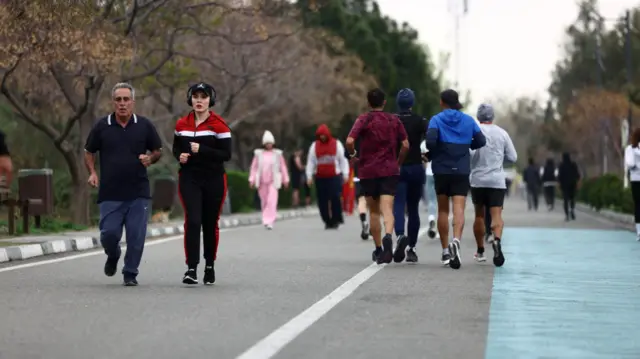
    This picture showing people exercising on Tehran's Pardisan Park was taken on Wednesday morningImage source, Majid Asgaripour/WANA (West Asia News Agency) via REUTERS
    Image caption,

    This picture showing people exercising on Tehran's Pardisan Park was taken on Wednesday morning

  15. Israel says it has struck sites used to develop cruise missiles in Tehranpublished at 07:47 GMT 25 March

    The Israel Defense Forces (IDF) says it has struck two key sites used to develop long-range naval cruise missiles in the Iranian capital Tehran.

    The IDF says in a post on Telegram that the "significant strikes" had caused extensive damage to the sites in recent days and that the missiles had been capable of "rapidly destroying targets at sea and on land".

    It adds that the attacks "represent another step in deepening the damage done to the regime's military production infrastructure".

    Smoke rising over Tehran earlier on Wednesday morningImage source, Getty Images
    Image caption,

    Smoke rising over Tehran earlier on Wednesday morning

  16. Thick smoke seen near Kuwait airport after drone strikepublished at 07:20 GMT 25 March

    Earlier we reported that drones had struck Kuwait International Airport, leading to a fire but no casualties.

    A picture of the scene shows thick smoke rising above the airport following the attack.

    Drones targeted a fuel tank at the airport causing the fire, the country’s civil aviation authority says in a post on X.

    A fire burns with a thick cloud of smoke above it near a motorway and several residential streetsImage source, Reuters
  17. You are negotiating with yourselves, Iranian military seemingly tells Trumppublished at 07:13 GMT 25 March
    Breaking

    Ghoncheh Habibiazad
    Senior reporter, BBC Persian

    The spokesperson for Iran's Khatam al-Anbiya Central Headquarters, the country's main military command (without mentioning the US and Trump’s name) has talked about "the self-proclaimed global superpower" - saying "do not call your defeat an agreement".

    Ebrahim Zolfaghari has said in a video message published by Iranian outlets today that "has the level of your internal conflict reached the point where you are negotiating with yourselves?"

    "You will see neither your investments in the region nor the former prices of energy and oil again, until you understand that stability in the region is guaranteed by the powerful hand of our armed forces. Stability comes through strength," Zolfaghari said.

    He added that "someone like us will never come to terms with someone like you. Not now, not ever".

    Media caption,

    US is 'negotiating with itself' says Iranian military

  18. What is reportedly in Trump's 15-point peace plan?published at 06:56 GMT 25 March

    We haven’t seen the US 15-point plan which has been sent to Iran. There has been no official confirmation of what it may contain. But some details are being reported in the Israeli and US media.

    Israel's Channel 12 reports that the plan includes the following demands:

    • The nuclear facilities at Natanz, Isfahan, and Fordow will be taken out of use and destroyed
    • Transparency and oversight by the International Atomic Energy Agency (IAEA) over activities in Iran
    • Iran will abandon the use of armed proxies in the region, and stop its funding and arming of regional affiliates
    • Dismantling of existing nuclear capabilities that have already been accumulated
    • A commitment to never strive to achieve nuclear weapons
    • No nuclear material will be enriched on Iranian soil, and all enriched material will be handed over to the IAEA
    • The Strait of Hormuz will remain open and constitute a "free maritime zone"
    • Iran's missiles will be subject to a future decision, but they would be limited in quantity and range, and only for self-defence purposes

    What Iran receives under the plan:

    • American assistance in developing a civilian nuclear project in Bushehr for electricity production
    • Removal of all sanctions
    • Removal of the threat of renewing sanctions

    There are also reports of a possible month-long ceasefire while discussions take place - but again, this remains unconfirmed, with no details given by the White House.

  19. When it comes to US-Iran talks, it's hard to know exactly where we arepublished at 06:28 GMT 25 March

    David Willis
    North America correspondent

    US President Donald Trump told reporters Iran was, in his words, "desperate" for a deal to end the war.

    He insisted talks were under way, and added cryptically that the US had received an expensive gift from Iran, which, he said, showed that he was dealing with the "right people".

    Who those people are, he again refused to say.

    Tehran insists there are no such talks, and the president is simply seeking to steady nerves on the financial markets. But reports here and in Israel suggest the Trump administration has proposed a one-month ceasefire during which both sides would consider a 15-point plan aimed at addressing Iran's missile development - we'll have more on that soon.

    Trump again surprised reporters by saying that Iran had already agreed to Washington's main demand - the dismantling of its nuclear weapons programme.

    Pakistan - a key US ally in the region - is acting as mediator and has offered to host talks between the two nations, but as Trump reaches for a diplomatic solution some have suggested he may simply be "buying time" - with thousands more US troops currently on their way to the region.

  20. Trust, talks, and presents: A recap of Trump's address last nightpublished at 05:58 GMT 25 March

    President Donald Trump speaks in the Oval Office of the White House in Washington DC.Image source, EPA

    Last night, US President Donald Trump gave an update on the war with Iran and took questions from reporters. Here is a breakdown of what he said:

    • Trump said his administration was "talking to the right people" in Iran, and "they want to make a deal so badly". He also said Vice President JD Vance and Secretary of State Marco Rubio were involved in the negotiations
    • He added that the US-Israeli strikes on Iran have led to "regime change" - but also warned that he did not trust "anybody"
    • The president also hinted at a "very significant prize" gifted to the US by Iranian negotiators, adding it was related to oil and gas, and the Strait of Hormuz
    • "They did something yesterday that was amazing actually," Trump said. "They gave us a present and the present arrived today. And it was a very big present worth a tremendous amount of money." He gave no specific details
    • Asked how hopeful he was that a peace deal with Iran would work, Trump responded: "This war has been won"
    • There was little mention of how the war could actually end, the BBC's White House reporter Bernd Debusmann Jr writes
    • Trump did not address a potential US troop deployment to the Middle East. CBS News, the BBC's US partner, has reported that the Pentagon is expected to send troops from the 82nd Airborne Division, including ground forces and a command element