Summary

  • Each week on The Fix we try to solve an intractable social problem through innovative policy design

  • We gathered 12 of the country's brightest young minds from a range of disciplines to try and get people to drink less

  • Thank you for sending in all your suggestions on how to drink less via Facebook and Twitter @BBCRadio4 #BBCTheFix

  • Tune in to Radio 4 from 8pm to listen to the pitches and find out what the winning solution is

  1. Sabotage time!published at 15:35 BST 6 September 2017

    Cat Drew is asking the teams to use a technique that has been used in previous sessions for The Fix called Sabotage. The teams have to turn the problem they are trying to solve on its head, and come up with solutions for the inverted problem.

    This was originally a CIA document used to fight Nazis in World War Two.
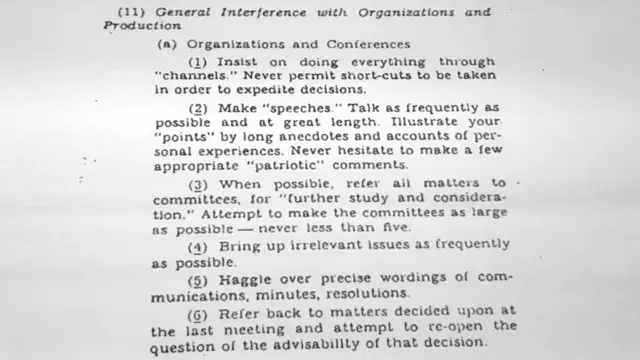
    Text on a pageImage source, Uscreates
    Image caption,

    The opposite of how to make things run smoothly

    At the end of the exercise teams can look at the solutions they have found, and see if inverted they can work as solutions for the original problem they were trying to tackle.
  2. What did they come up with?published at 15:34 BST 6 September 2017

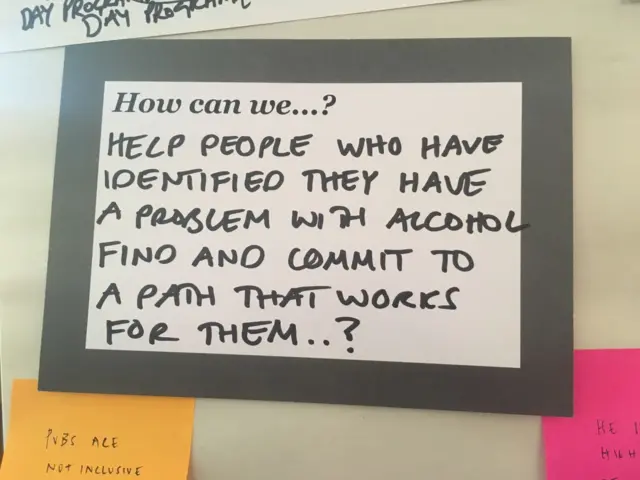
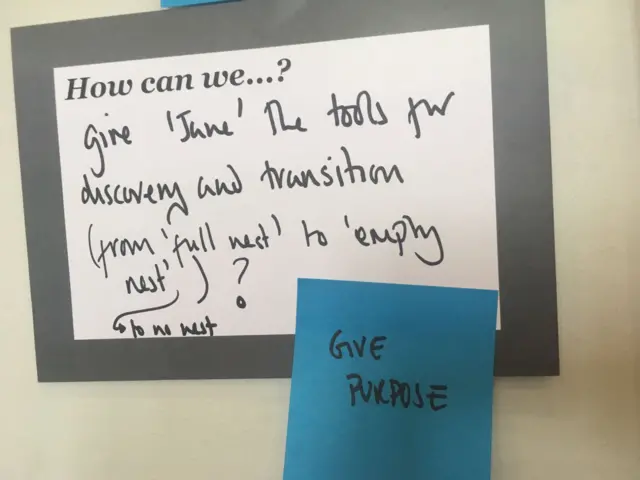
    Here are the three questions that the teams will focus on for the rest of the day...

    Question card with writing
    Image caption,

    Team One's question tries to solve Jim's long-term drinking problems

    Question card with writing
    Image caption,

    Team Two's question dealt with a professional couple's excessive, casual drinking

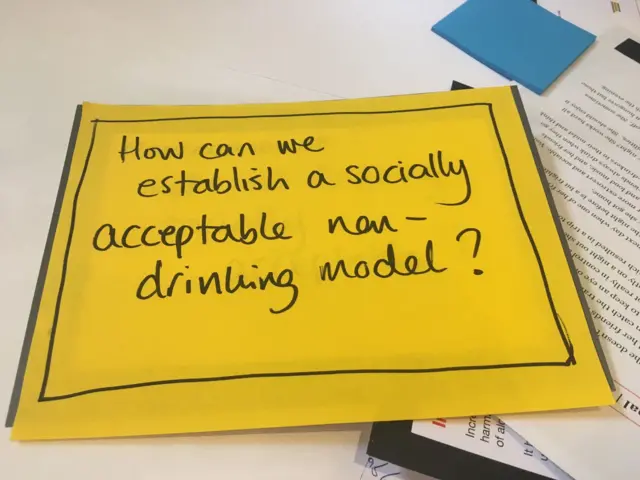
    Question card with writing
    Image caption,

    Team Three's question looked at Kate, a young person who was a heavy social drinker

  3. Something to ponder...published at 15:20 BST 6 September 2017

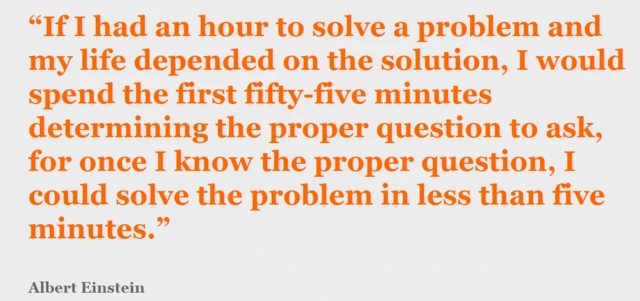
    As our teams attempt to zero in on the specific question they'll attempt to eventually answer, they can consider these words of wisdom...

    A quote from Albert EinsteinImage source, Uscreates
  4. How to find support and eradicate stigmapublished at 15:15 BST 6 September 2017

    Table One's case study is an older problem drinker called Joe. Here's what they've been considering.

    • How do you find a new social circle that doesn't drink?
    • Can resources be created to provide help?
    • Do financial implications and stigma stand in the way of recovery?
    • Does the cost of alcohol contribute to the problem?
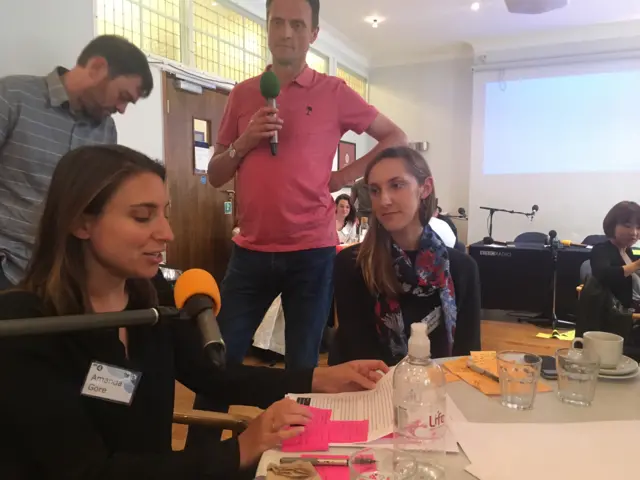
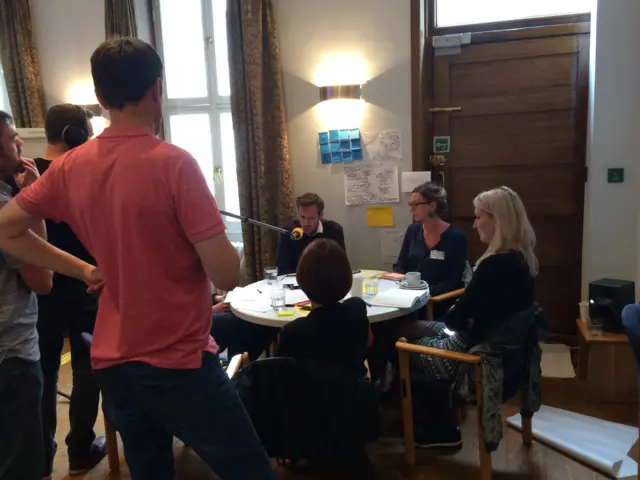
    Presenter Matthew Taylor speaks to table one
    Image caption,

    Presenter Matthew Taylor speaks to table one

  5. What are the social pressures young people face?published at 15:02 BST 6 September 2017

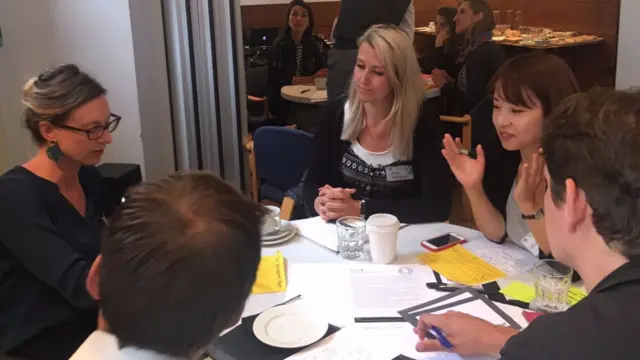
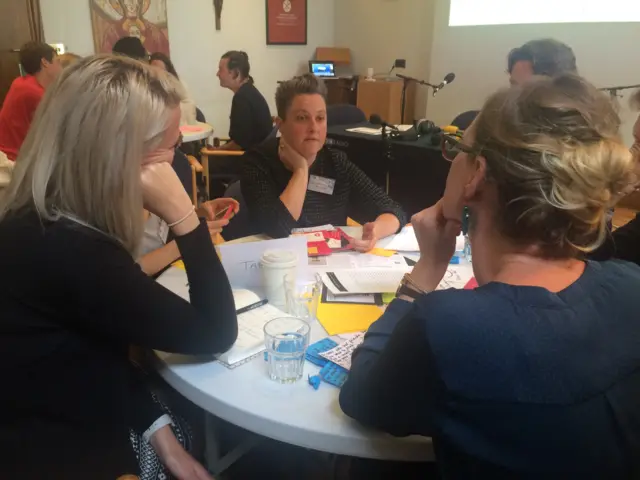
    The participants of The Fix sitting at Table Three

    Table three have also been considering the potential alcohol-free void left in the life of Kate, their young case study.

    • How can you make it socially acceptable not to drink?
    • Can something be found that Kate loves more than drinking?
    • Would it be preferable to change Kate's method of drinking? So rather than downing shots she should be encouraged to have a drink when eating?
    • Could she be shocked into changing her behaviour?

    George, who owns a pub but doesn't drink, discusses the social and peer group pressure associated with not drinking. He says he has to lie about the reasons he doesn't drink to people constantly and, when he's behind the bar, will even mix blackcurrant and soda so it looks like he's drinking rose.

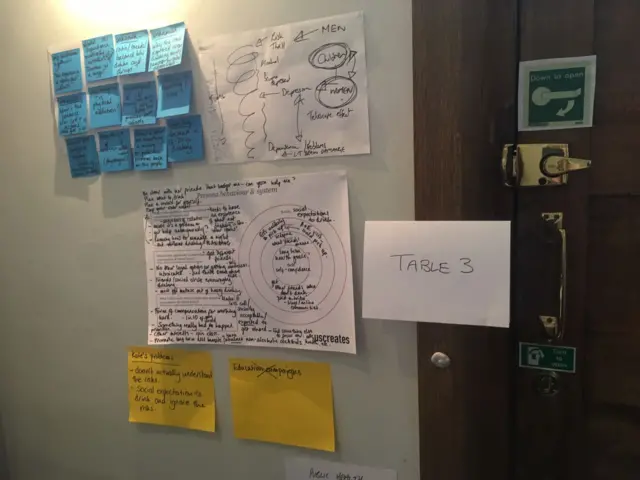
    post its on the wall
    Image caption,

    A peek at Table Three's design process

    Quite a few Radio 4 listeners echoed this sentiment in their suggestions

    This X post cannot be displayed in your browser. Please enable Javascript or try a different browser.View original content on X
    The BBC is not responsible for the content of external sites.
    Skip X post

    Allow X content?

    This article contains content provided by X. We ask for your permission before anything is loaded, as they may be using cookies and other technologies. You may want to read X’s cookie policy, external and privacy policy, external before accepting. To view this content choose ‘accept and continue’.

    The BBC is not responsible for the content of external sites.
    End of X post
    This X post cannot be displayed in your browser. Please enable Javascript or try a different browser.View original content on X
    The BBC is not responsible for the content of external sites.
    Skip X post 2

    Allow X content?

    This article contains content provided by X. We ask for your permission before anything is loaded, as they may be using cookies and other technologies. You may want to read X’s cookie policy, external and privacy policy, external before accepting. To view this content choose ‘accept and continue’.

    The BBC is not responsible for the content of external sites.
    End of X post 2
  6. Why do people drink?published at 14:57 BST 6 September 2017

    Table two are trying to recognise the drinking problems related to their professional couple.

    • Why do they drink?
    • Is work the problem?
    • Is alcohol filling the time they used to spend with their kids?
    • Could they be helped to manage their stress in a better way?
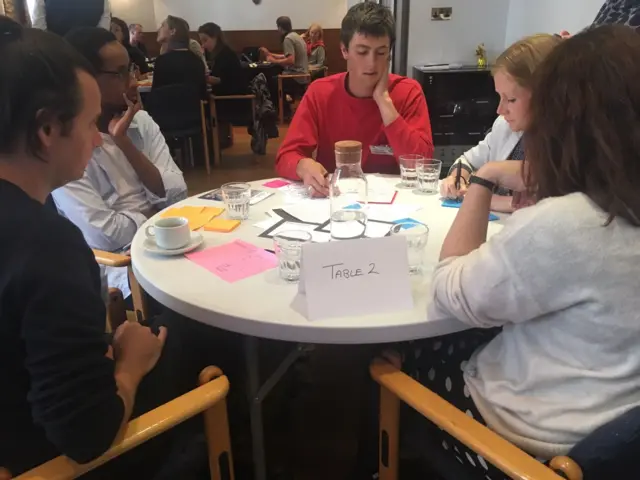
    The Fix participants sitting at Table Two
    Image caption,

    Hashi Mohamed, Nate Tkacz, Emily Goldhill, George Ridgway and facilitator Mary

  7. Refining and redefiningpublished at 14:51 BST 6 September 2017

    Next, the teams will attempt to refine their question using the data they have amassed.

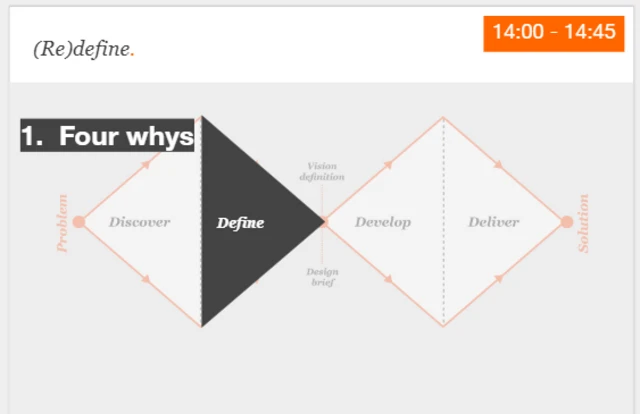
    They will use a technique known as the 'four whys'. The the initial proposition then keep asking 'why' until they reach a workable question.

    A powerpoint slide with a diagram explaining the four whysImage source, Uscreates
  8. Would you attend an alcohol-free festival?published at 14:41 BST 6 September 2017

    One issue that continually arises is the problem of alcohol substitutes when drinking socially - say at a pub or club. Alcohol-free wines and beers don't have the greatest reputation taste-wise, while soft drinks and juices are considered to be crammed full of sugar.

    But one organisation trying to change attitudes towards booze-free beverages is Club Soda.

    Expert witness Laura Willoughby's Club Soda organisation created the Mindful Drinking festival to explore the world of alcoholic alternatives, with finely crafted wine and beer substitutes.

    Radio 4's You & Yours visited the event and had a tipple...

    Media caption,

    Official statistics report that one in five adults never drink alcohol.

    Quote Message

    Our aim is to create a world where no one feels out of place if they're not drinking.

    Laura Willoughby MBE, Founder of Club Soda

  9. The teams are probably feeling a bit overwhelmed!published at 14:35 BST 6 September 2017

    Cat Drew
    Head Facilitator - Uscreates

    We've just fed the teams a whole range of evidence: quantitative data, qualitative insight from thinking about personas, and expert opinion. They've got lots in their heads and are exploring a whole host of avenues. They're probably feeling a bit overwhelmed. Now is the time to synthesise this down, sort out what is important and what is not, and create a more refined question to work on this afternoon.

  10. What is the broader context?published at 14:30 BST 6 September 2017

    Matthew Taylor
    RSA

    We’ve finished the first session, analysing data and speaking to experts to get a better picture of the challenge. In feedback from the teams it was interesting to hear how different the problem is depending on what kind of person and what of drink-related problem we are looking at. I was also pleased the teams were standing back from the presenting issue – excess alcohol consumption – to look at the broader context in terms of issues like mental illness, culture and social norms.

    The next stage is to define the specific aspect of the issue they want to focus their solutions on….I’ll report back later.

  11. The story so far...published at 14:25 BST 6 September 2017

    The teams have reconvened, but what have they learned so far?

    Table One

    • Jim, their alcohol dependent case study has limited access to state agencies and services
    • He is cut off from support systems
    • He could save up to £300 a month if he stopped drinking

    Table Two

    • Their case study, a professional couple, may not realise they have a problem
    • They will be resistant to intervention
    • Their money and social standing could help enable their problems

    Table Three

    • There's a link between mental health issues and problem drinking
    • There are no socially acceptable models of non-drinking
    • Education and government campaigns bring limited results
    Matthew Taylor stands before table of Fix participants
    Image caption,

    Matthew Taylor and table three

    Despite looking at very different personas, every team has noted the relationship between poor mental health and excessive drinking.

  12. Booze calculator: What's your drinking nationality?published at 14:09 BST 6 September 2017

    How much do you think you drink? And how does your consumption compare to people around the globe?

    Discover how your drinking measures up to the average in countries around the world with this handy booze calculator. Find out below if you are similar to a boozy Belarusian or a teetotal Kuwaiti.

    Take the test

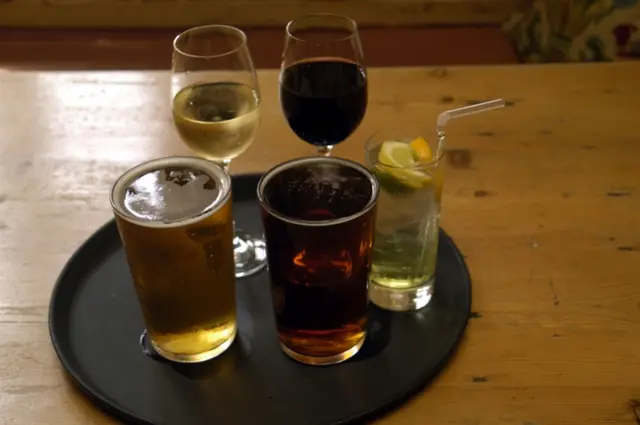
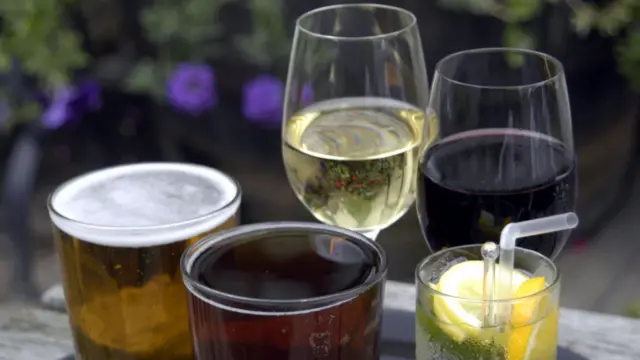
    A selection of alcoholic drinks on a tray
  13. Plane crazy?published at 13:52 BST 6 September 2017

    Budget airline Ryanair has called on UK airports to enforce a two-drink limit, after a report suggested that arrests of drunken passengers has risen by 50% in a year.

    The company has already stopped people drinking duty free booze on board and, on certain flights, alcohol is not allowed at all.

    A House of Lords committee report also called for tougher rules on the sale of alcohol at airports.

    But should it be down to airlines and airports to prohibit the sale of alcohol or does this punish those passengers who drink responsibly?

    Read the full report here

    A plane in the air coming in to land
  14. How do you tackle binge drinking?published at 13:47 BST 6 September 2017

    Table Three are looking at the persona of "Kate"

    Kate, 27, is a ‘weekend warrior’. She doesn’t drink during the week, but on a Saturday night, there’s nothing better. She and her friends start with a drink or two at home to get themselves in the mood, and then catch the train into London to go clubbing. Maggie tells herself every weekend she is going to keep an eye on her drinking, but it just creeps up on her and, before she knows it, she’s not really in control and can’t stop.

    Recently on a night out she even tried to get on the bar to dance, but was stopped by her friends.fell off and injured herself which resulted in a trip to A&E for a fractured wrist and grazed forehead.

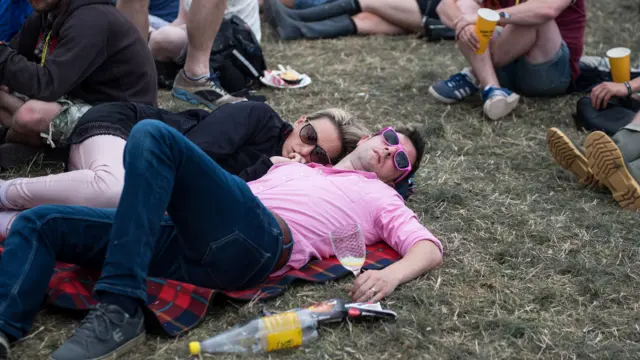
    festival goersImage source, Getty Images

    To be honest, she is a bit shy and drink makes her more extrovert and sociable. Young people are all supposed to like parties, large crowds and loud music, and her friends expect her to like going clubbing. Her main group of friends always drink when they go out; they always have alcohol. They don't really like non-drinkers in their midst and think anyone who doesn’t drink must be anti-social.

    What interventions would you recommend to help someone like Kate?

  15. Booze myths bustedpublished at 13:31 BST 6 September 2017

    Here are a few alcohol related myths - but how accurate are they?

    • Does one unit of alcohol equal one drink?
    • Is moderate drinking safe?
    • Is red wine good for you?
    • Does mixing drinks make you more drunk?
    • Will caffeine sober you up?

    Michael Mosley has the answers...

    Media caption,

    Michael Mosley dispels five popular myths about drinking.

  16. Lunch is coming!published at 13:23 BST 6 September 2017

    The morning session flew by...

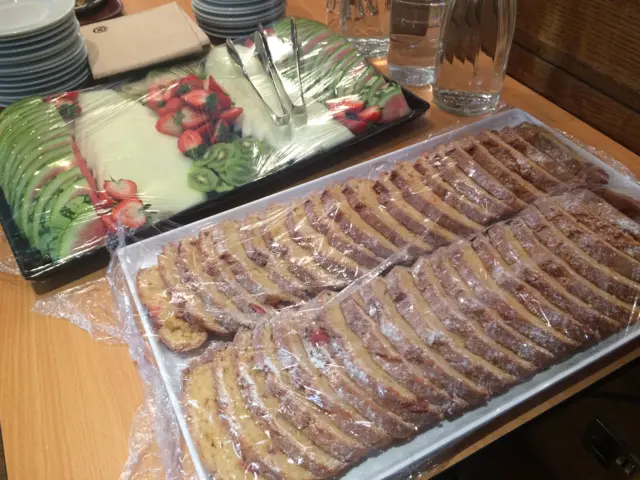
    A table filled with bread and fruit
    Image caption,

    Lunch

  17. Just a bottle of wine in the evenings?published at 13:14 BST 6 September 2017

    Table Two are looking at the personas of Jane and Peter

    Jane is 58 years old and works as a Head of Personnel for a large multinational company. It’s a stressful job, but she loves it. She’s also an ‘empty-nester’: her children have gone to university and now she and her husband spend their weekday evenings either working or catching up on the latest boxset after cooking a nice meal. Regular drinking became a habit when the children were at home and life was really hectic. She does not drink every day but shares a bottle of wine at dinner with her husband Peter four or five times a week and sometimes has a gin and tonic over the weekend.

    During a routine health check, the GP did mention that they should cut down the number of units they drink as they’re at increasing risk of harm which the doctor said could be affecting their health and Jane’s depression. Drinking is at least something she and her husband like doing together and helps her get through a hectic week. It doesn’t seem to be doing them any harm, and they deserve it after all the work they have put into their job and the family. It’s time to relax. All their friends drink similar amounts so and Jane thinks that because they’re not out all weekend binge drinking there isn’t much harm.

    alcohol

    Do you think regularly drinking large amounts of alcohol worse for you than only binge drinking at the weekends? How would you reduce drinking for people who mostly drink at home?

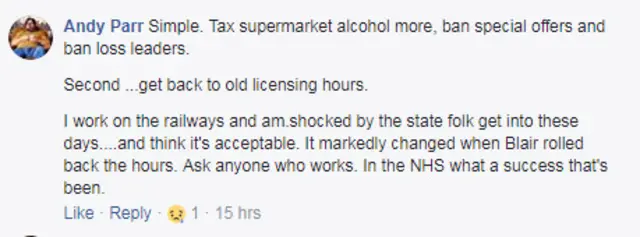
  18. Increasing taxes on alcohol, legalising marijuana or improving overall happiness?published at 13:03 BST 6 September 2017

    Just a few of the suggestions from Radio 4 listeners that have resonated with our participants. Keep them coming!

    This X post cannot be displayed in your browser. Please enable Javascript or try a different browser.View original content on X
    The BBC is not responsible for the content of external sites.
    Skip X post

    Allow X content?

    This article contains content provided by X. We ask for your permission before anything is loaded, as they may be using cookies and other technologies. You may want to read X’s cookie policy, external and privacy policy, external before accepting. To view this content choose ‘accept and continue’.

    The BBC is not responsible for the content of external sites.
    End of X post
    Facebook post
    This X post cannot be displayed in your browser. Please enable Javascript or try a different browser.View original content on X
    The BBC is not responsible for the content of external sites.
    Skip X post 2

    Allow X content?

    This article contains content provided by X. We ask for your permission before anything is loaded, as they may be using cookies and other technologies. You may want to read X’s cookie policy, external and privacy policy, external before accepting. To view this content choose ‘accept and continue’.

    The BBC is not responsible for the content of external sites.
    End of X post 2
    FB post about taxing alcohol

    Read more responses to our Facebook post, external

  19. Seeking alternativespublished at 13:01 BST 6 September 2017

    Laura Willoughby

    Expert witness Laura Willoughby is discussing alternatives to alcohol with Table Three...

    Quote Message

    Next to water, the healthiest thing you can drink in a pub is alcohol-free beer

    Laura Willoughby sitting at a table
    Image caption,

    Laura Willoughby

  20. Too sweet?published at 13:01 BST 6 September 2017

    A few people have mentioned that the alcohol-free versions of traditional drinks (especially wine) are just too inferior to offer a suitable alternative (like Carol here).

    Do you agree?

    Share your thoughts on the Radio 4 Twitter page, external using the hashtag #BBCTheFix

    This X post cannot be displayed in your browser. Please enable Javascript or try a different browser.View original content on X
    The BBC is not responsible for the content of external sites.
    Skip X post

    Allow X content?

    This article contains content provided by X. We ask for your permission before anything is loaded, as they may be using cookies and other technologies. You may want to read X’s cookie policy, external and privacy policy, external before accepting. To view this content choose ‘accept and continue’.

    The BBC is not responsible for the content of external sites.
    End of X post