Summary

  • The live commentary below is your definitive guide to the Last Night celebrations

  1. Feeling inspired?published at 20:22 BST 10 September 2016

    This X post cannot be displayed in your browser. Please enable Javascript or try a different browser.View original content on X
    The BBC is not responsible for the content of external sites.
    Skip X post

    Allow X content?

    This article contains content provided by X. We ask for your permission before anything is loaded, as they may be using cookies and other technologies. You may want to read X’s cookie policy, external and privacy policy, external before accepting. To view this content choose ‘accept and continue’.

    The BBC is not responsible for the content of external sites.
    End of X post

    Bit of a difference in the size of the case there, Sara!
  2. Ballet inspired by Rossini: Britten's Matinées musicalespublished at 20:07 BST 10 September 2016

    While waiting in Hollywood for the big time to strike, Benjamin Britten was offered a commission by Lincoln Kirstein, director of the American Ballet Company. 

    It was an appealing prospect. Britten was to provide a companion piece to his 1936 piece Soirées musicales – a set of orchestrations of pieces by Rossini. Matinées musicales continues the Rossini theme and includes excerpts from William Tell.  

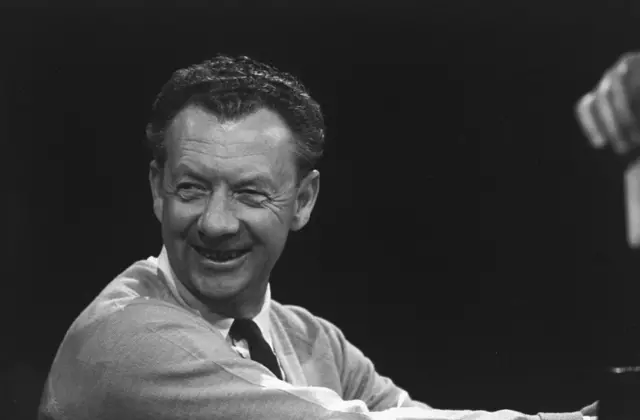
    Benjamin Britten
    Image caption,

    Benjamin Britten in 1964

  3. Offenbach: La belle Hélène - 'Au mont Ida'published at 20:04 BST 10 September 2016

    A Proms first: a classical greek beauty contest

    Juan Diego Flórez closes his opening trio of arias with On Mount Ida from the opera The Beautiful Hélène. Florez sings the part of Prince Paris who has the enviable task of judging a beauty contest, three Greek Goddesses are competing for a golden apple. Although the music has been performed at the Proms, this is the first time that this aria has been performed in Proms history.   

  4. Behind the scenes with Juan Diego Flórezpublished at 20:03 BST 10 September 2016

    We grabbed a few minutes with star tenor Juan Diego Flórez as he rehearsed at BBC Maida Vale Studios. Watch him talk about how he tackles some of the toughest repertoire a tenor can sing.

    Watch the Facebook video here, external

  5. Making it look easypublished at 20:00 BST 10 September 2016

    This X post cannot be displayed in your browser. Please enable Javascript or try a different browser.View original content on X
    The BBC is not responsible for the content of external sites.
    Skip X post

    Allow X content?

    This article contains content provided by X. We ask for your permission before anything is loaded, as they may be using cookies and other technologies. You may want to read X’s cookie policy, external and privacy policy, external before accepting. To view this content choose ‘accept and continue’.

    The BBC is not responsible for the content of external sites.
    End of X post
  6. Watch this and imagine yourself striding across the Steppe of Russia...published at 19:57 BST 10 September 2016

    This X post cannot be displayed in your browser. Please enable Javascript or try a different browser.View original content on X
    The BBC is not responsible for the content of external sites.
    Skip X post

    Allow X content?

    This article contains content provided by X. We ask for your permission before anything is loaded, as they may be using cookies and other technologies. You may want to read X’s cookie policy, external and privacy policy, external before accepting. To view this content choose ‘accept and continue’.

    The BBC is not responsible for the content of external sites.
    End of X post
  7. Donizetti: L'elisir d'amore - 'Una furtiva lagrima' (Act 2, sc 2)published at 19:56 BST 10 September 2016

    An elixir of love with a happy ending

    While 'Una furtiva lagrima' (a furtive tear) might sound plaintive and sad, it's actually filled with hope for future love. Nemorino, a local peasant (and butt of many a joke) is drunk in love with the ice-queen Adina. He has signed up to the army so that he can have enough money to buy a love potion from a travelling quack. 

    Unaware that this elixir of love is just common wine, Nemorino is convinced his distant love's heart will melt. Moved by Nemorino's great gesture of devotion – and perhaps a little excited by his recent inheritence – Adina is moved to tears. Nemorino witnesses the show of emotion and senses that hope is in the air.   

  8. Rossini: La Cenerentola - 'Si, ritrovarla io giuro'published at 19:51

    It's another athletic and dizzyingly high aria for tenor Juan Diego Flórez in Rossini's twist on the classic Cinderalla tale. Prince Ramiro has fallen for the beautiful Cinderella (Cenerentola). 

    When they meet again at the ball, she gives the Prince one of two matching bracelets telling him he must find her and reunite the jewellery. Perhaps relieved not to be squeezing the feet of the local women into a glass shoe, 'Si, ritrovarla io giuro' (I swear to find her again) is Prince Ramiro's buoyant response. Listen out for some very high and fast vocal work (coluratura) from Juan Diego Flórez.  

  9. The joy of music!published at 19:51 BST 10 September 2016

    Quote
    Quote
  10. Introducing the BBC Virtual Orchestrapublished at 19:48 BST 10 September 2016

    As part of tonight's celebrations, Marin Alsop conducts an orchestra like no other, created by the British public. From banjos to bagpipes, 1,200 amateur musicians from across the UK dusted off their old instruments – or learned new ones from scratch – and united to form the BBC's first ever Virtual Orchestra.  

    Watch this incredible performance of Toreador's Song from Bizet's Carmen...

    If this inspired you, then find out more about how you can get involved in music making at bbc.co.uk/getplaying   

  11. Your five minute call, Mr Flórezpublished at 19:45 BST 10 September 2016

    Tonight's superstar tenor Juan Diego Flórez is looking as cool as a cucumber in his dressing room with minutes to go...   

    This Instagram post cannot be displayed in your browser. Please enable Javascript or try a different browser.View original content on Instagram
    The BBC is not responsible for the content of external sites.
    Skip instagram post

    Allow Instagram content?

    This article contains content provided by Instagram. We ask for your permission before anything is loaded, as they may be using cookies and other technologies. You may want to read Meta’s Instagram cookie policy, external and privacy policy, external before accepting. To view this content choose ‘accept and continue’.

    The BBC is not responsible for the content of external sites.
    End of instagram post
  12. Find out more about the "Talented Dr Borodin"published at 19:41 BST 10 September 2016

    If you're enjoying this piece, then you'll probably like this programme all about the piece's composer.

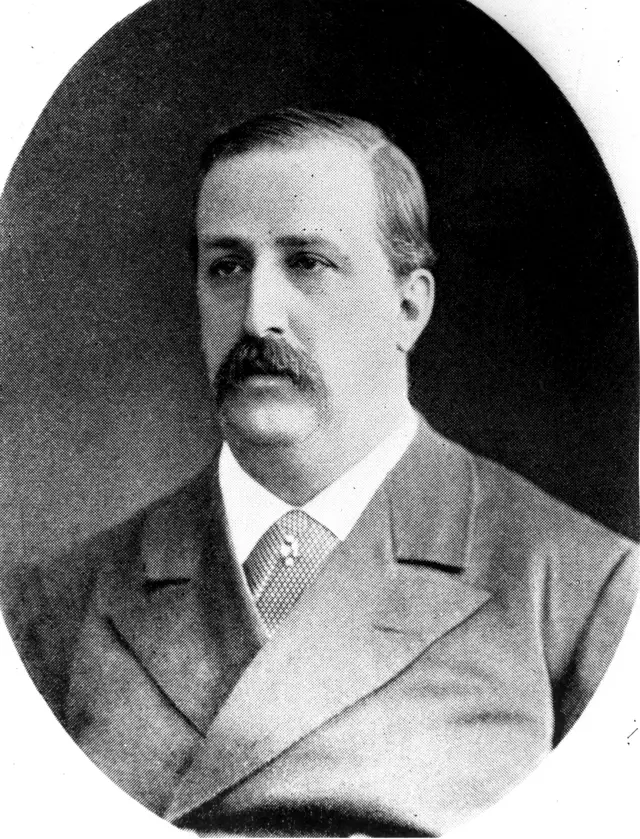
    Presenter Donald Macleod celebrates the life and work of the "Talented Dr Borodin". His melodies were as brilliant and beguiling as his scientific discoveries. Alexander Borodin (1833-1887) was one of history's great polymaths – who combined a career as one of Russia's great research chemists with an equally dazzling creative life as one of the 19th Century's most enchanting composers. Happily married, loved by his friends and also a noted writer, philanthropist and linguist, Borodin's life was high on talent, short on crisis – and full of extraordinary, bewitching music.  

    Composer of the Week: Alexander Borodin

  13. Borodin: Prince Igor – Polovtsian Dancespublished at 19:36 BST 10 September 2016

    Prince Igor was Russian composer Alexander Borodin's most ambitious work. Based on the 12th anonymous epic The Lay of Igor's Army, Borodin wanted to capture heroism, landscape and war. 

    But when the composer died suddenly while dancing at a ball, the task of completing the opera fell to his friend Rimsky-Korsakov and the 22 year old Alexander Glazunov. 

    Borodin's Russian epic was a big hit with Proms audiences in the early 20th Century. Something from Prince Igor was played at every season from 1911 to 1939.  

    Borodin
  14. Off to a good startpublished at 19:33 BST 10 September 2016

    This X post cannot be displayed in your browser. Please enable Javascript or try a different browser.View original content on X
    The BBC is not responsible for the content of external sites.
    Skip X post

    Allow X content?

    This article contains content provided by X. We ask for your permission before anything is loaded, as they may be using cookies and other technologies. You may want to read X’s cookie policy, external and privacy policy, external before accepting. To view this content choose ‘accept and continue’.

    The BBC is not responsible for the content of external sites.
    End of X post

    Let us know what you're enjoying in tonight's programme using #LNOP

  15. George Butterworth: a composer killed in actionpublished at 19:28 BST 10 September 2016

    George Butterworth
    Image caption,

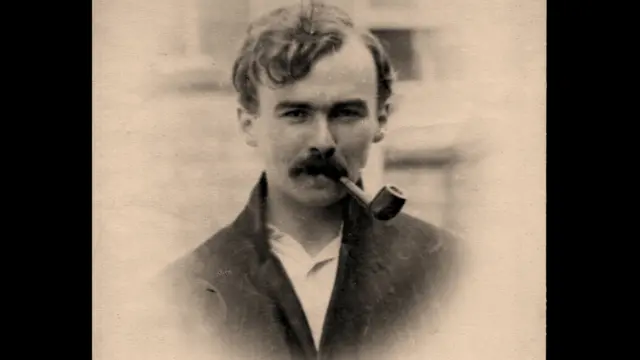
    George Butterworth. Image provided by the English Folk Dance and Song Society

    The BBC Symphony Orchestra have returned to the stage for the next piece written by George Butterworth.

    Like his contemporary Vaughan Williams, George Butterworth was heavily influenced by English folk music and was also a keen morris dancer. The Banks of the Green Willow is based on two folk songs and was written just before the outbreak of the First World War in 1913. Its premiere was the first professional engagement for the 24 year old conductor Adrian Boult. 

    Butterworth was killed during the Battle of the Somme in 1916 at the age of just 31. He was awarded the military cross for his service. A century later, his music is still being performed.

    This X post cannot be displayed in your browser. Please enable Javascript or try a different browser.View original content on X
    The BBC is not responsible for the content of external sites.
    Skip X post

    Allow X content?

    This article contains content provided by X. We ask for your permission before anything is loaded, as they may be using cookies and other technologies. You may want to read X’s cookie policy, external and privacy policy, external before accepting. To view this content choose ‘accept and continue’.

    The BBC is not responsible for the content of external sites.
    End of X post
  16. Queue the musicpublished at 19:27 BST 10 September 2016

    Since its inception in 1895, the Proms has aimed to bring classical music to a wide audience in a relaxed atmosphere, and from the very beginning, part of the audience has always stood in the ‘promenade’ area.  

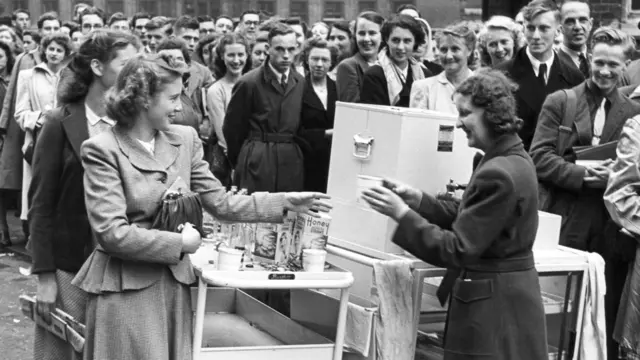
    Every day, hundreds (sometimes thousands) of people queue outside the Royal Albert Hall for 'Promming' tickets which are released on the day of prom. Why? Each ticket is only £6, you can get as close as possible to the performers. Standing is what makes the Proms the Proms!

    TraditionQthemusic.jpg
    Image caption,

    A mobile trolley outside the Royal Albert Hall, serving soft drinks and sandwiches to the queue waiting to attend the Henry Wood Promenade Concerts in 1948

  17. Where to tune in from Europepublished at 19:25 BST 10 September 2016

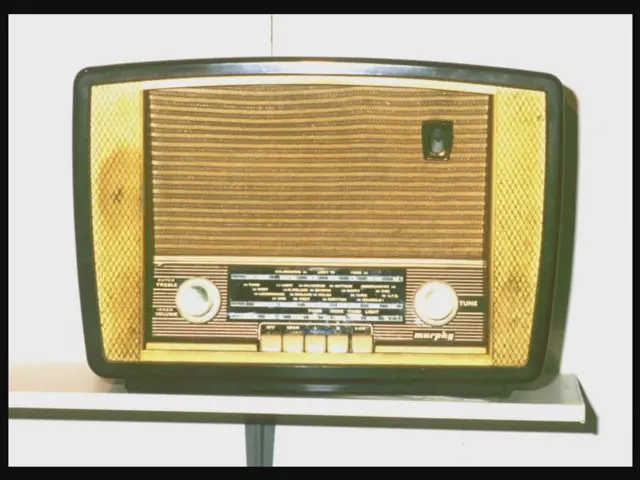
    The European Broadcasting Union (EBU) has partnered with the BBC to take feeds of the Last Night of the Proms across Europe. It you're outside the UK and want to listen to the action, take a look at this very handy list, external to find out how to tune in.

    Old fashioned radio
    Image caption,

    Á la radio ce soir

  18. Laurels for Sir Henry Woodpublished at 19:23 BST 10 September 2016

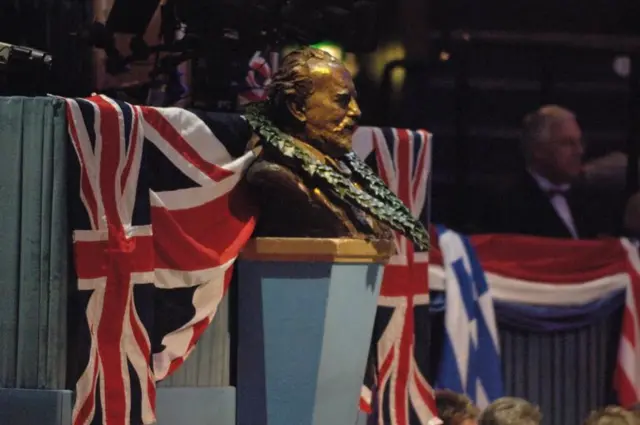
    Bust of Sir Henry Wood covered with flags and laurel wreath

    Sir Henry Wood is a towering figure in the history of the Proms and his bust (on loan from the Royal Academy of Music) looks down on every concert on the stage of the Royal Albert Hall. 

    Each year, two prommers are selected to place a chaplet of laurels on the bust of Sir Henry. This year's lucky pair are John and Liz Woodhouse. Mr and Mrs Woodhouse met in the Philharmonia Chorus in 1973 and have attended countless proms over the years.  

    This X post cannot be displayed in your browser. Please enable Javascript or try a different browser.View original content on X
    The BBC is not responsible for the content of external sites.
    Skip X post

    Allow X content?

    This article contains content provided by X. We ask for your permission before anything is loaded, as they may be using cookies and other technologies. You may want to read X’s cookie policy, external and privacy policy, external before accepting. To view this content choose ‘accept and continue’.

    The BBC is not responsible for the content of external sites.
    End of X post
  19. Tom Harrold: record-breaking composerpublished at 19:23 BST 10 September 2016

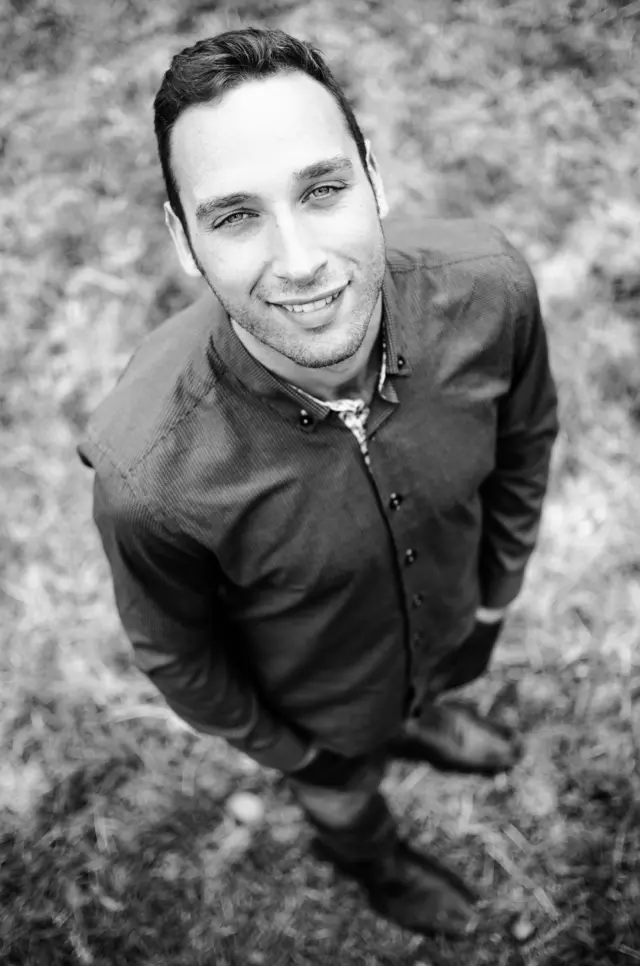
    Tom Harrold is a 25 year old Scottish composer rapidly making a name for himself – and someone who has previous with the Proms. In 2007, he won the BBC Proms Young Composers Competition. 

    He's also a world record breaker. Tom's piece ‘Ticcatoccatina’ got him into the Guinness Book of World Records for writing the piece with the greatest number of players on a single instruments: 32 hands at one piano!   

    Tom Harrold portraitImage source, Richard Ion
  20. The Proms Youth Ensemblepublished at 19:22 BST 10 September 2016

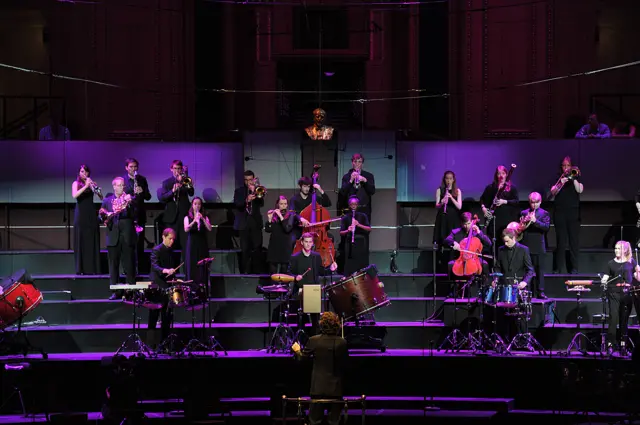
    On stage now is the Proms Youth Ensemble, led by Amy Lovejoy performing alongside members of the BBC Symphony Orchestra.

    Proms Youth Ensemble