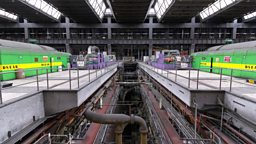
This empty building on the banks of the Forth once delivered power to two million homes
5 July 2017 | Part of the Lost Scotland series
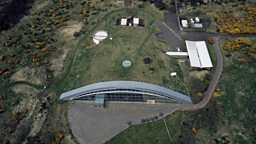
Longannet Power Station in Fife was the UK’s second-largest power station until it closed in 2016.
Abandoned Scotland went to find out what it’s like inside a power station after the generators are turned off.
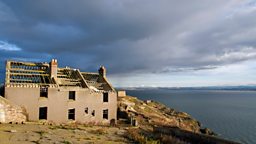
The abandoned power station on the banks of the Firth of Forth
Longannet once provided power to two million homes across Scotland.
Coal feeder
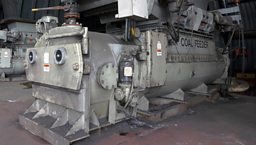
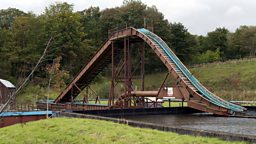
Coal powered the electricity generators at Longannet. It was delivered by rail from Hunterston on the west coast or by road from local mines.
The coal was pulverised into a fine powder on site before being fed into the furnaces.
The turbine hall
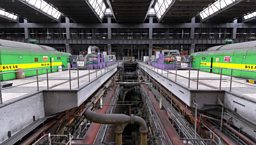
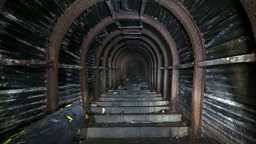
Cooling water for the condensers was drawn from – and returned to – the Firth of Forth. The station required as much as 327,000 meters per hour.
In its lifetime, over 60 billion cubic metres of cooling water came through the station.
Electrical flow meters
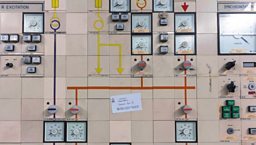
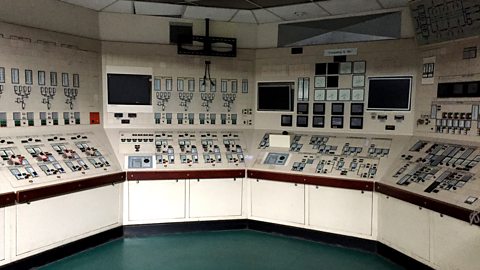
The high cost of connecting to the main grid was the reason Scottish Power cited for the closure of Longannet Power Station.
Control room console
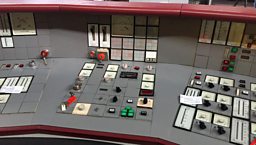
The closure of Longannet marked the end of coal-powered electricity production in Scotland.
The buildings are to be demolished and cleared but it is unknown at present what the land will be used for in the future.
The former staff of Longannet
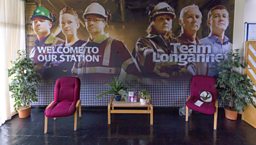
Over the 46 years of operation, thousands worked at Longannet, including different generations of the same family.
The station ran 24 hours a day, 365 days a year and at the time of closure, it employed 236 staff.
Latest features from BBC Scotland
-
![]()
'Wild swimming helps me process the grief of losing my son'
The benefits of cold water therapy.
-
![]()
Winter adventures are appealing, but an expert advises caution
Trips in winter require particular knowledge and skills.
-
![]()
The rescuers: Why volunteers risk their lives in mountain emergencies
Landward meets members of the Cairngorm Mountain Rescue Team.
-
![]()
‘Look for the light’ – practical tips to help you through another winter with SAD
Useful advice and tips to combat low moods at this time of year.
-
![]()
How you could be a binge drinker without even knowing
Binge drinking is classed as fewer units than many people may realise.
-
![]()
How chocolate biscuits and drama classes helped one man leave prison behind
The healing power of creativity.
-
![]()
'When people believe in you, it’s life-changing'
Author Graeme Armstrong revisits the man who helped turn his life around.
-
![]()
The 'breath-taking' display of US birds swept on to British soil
Recent storms have brought rare birds to our shores.
-
![]()
Six things we learned about Alan Cumming on Take the Floor (Spoiler: includes accordions)
The actor spoke to Take the Floor's Gary Innes.
-
![]()
How street gangs trap young men in a dangerous cycle of violence
The almost inescapable pull of life in a gang.
-
![]()
Why stylist Gok Wan believes there's no such thing as bad fashion
The fashion expert says we should stop following rules and do what feels right.
-
![]()
Is sending a CV still the right way to apply for a job?
They've been central to job applications for years, but are they worth it?