Which date dem born Jesus according to di gospel and how dem reach di custom of December 25
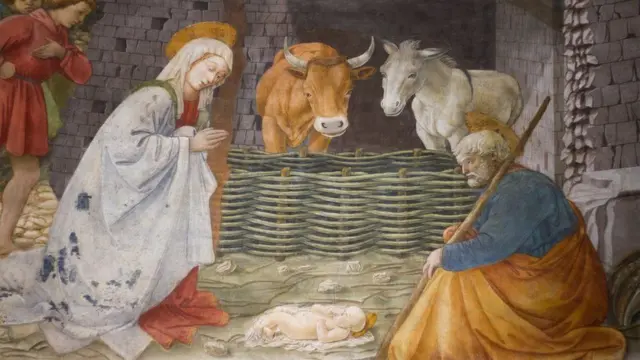
Wia dis foto come from, Getty Images
E fit be for 13 April. Or 14 October. Or 3 July ...
E dey possible, if to say di medieval monk wey dem commission to determine di date of im birth no miscalculate am, we for dey 2026 right now.
More or less.
E dey impossible to know wit certainty di date dem born Jesus of Nazareth.
Di only source historians get to reconstruct im life na di gospels, wey dem write decades afta im death, by pipo wey no know am during im lifetime and who be propagandists of di faith in Jesus as messiah.
Dia account bin come from second, third or fifth hand, wey dem get from first generation Christians wey according to historians, dey more interested in di death and resurrection of Jesus, pass im birth.
Di texts of di evangelists, however, provide clues as to wen dem born Jesus.
Di Sources
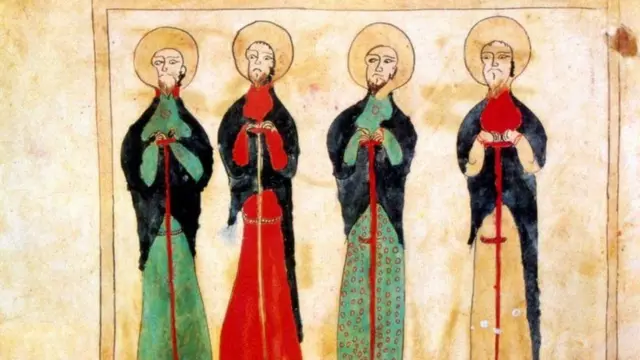
Wia dis foto come from, Getty Images
Di main sources, Spanish historian Javier Alonso tell BBC Mundo, say dem write di Gospels of Matthew and Luke around 80-90 AD.




End of Di one wey oda users dey read well well
While di oldest texts of di New Testament, like di Gospel of Mark plus di seven letters of apostle Paul of Tarsus wey pipo consider as original no mention anything of im early life, di Gospels of Matthew and Luke include wetin dey known as di "infancy narratives" of Jesus.
"Di problem na say, from a chronological point of view, dem dey incompatible," Alonso wey be Semitic philologist and biblical scholar tok.
According to Mark, dem born Jesus during di reign of Herod di Great, shortly before im death. "As we now know say Herod die for 4 B.C., according to di Gospel of Matthew, dem born Jesus for 4, 5, 6 or 7 B.C.".
Luke, however, no tok about Herod, but relate di birth of Jesus to di census of Quirinus. According to im account, Mary and Joseph, di parents of Jesus, bin travel from Galilee go Bethlehem so dat dem go dey registered for di census.
Di evangelist tok say di census wey Publius Sulpicius Quirinus, Roman governor of Syria bin announce dat time dey compulsory, so di couple get to travel go dia, in spite of Mary advanced pregnancy stage, because di place na Joseph birth place.

Wia dis foto come from, Getty Images
Di census happun, historian Flavius Josephus confam, wey allow us to give date: di year 6 A.D. "Dat na difference of at least 10 years between Matthew and Luke," Alonso argue.
"We know say dem dey glued because di characters of di later gospel, of Matthew 3 and Luke 3, no get di slightest idea of wetin happun for di previous chapters, plus contradictory data even dey," Antonio Piñero, one professor emeritus of Greek Philology for di Complutense University of Madrid tok.
So e dey possible say, by di time dem write about Jesus birth and infancy, more dan 60 years don pass since im death.
By den, Piñero point out say, e dey estimated say about 3,000 Christians bin dey di world, and dem dey scattered, moreover, for different communities.
So, which pesin account dey closer to reality, Matthew or Luke?
To determine dis, historians don study di oda historical anchors wey appear for di Gospels, especially one fundamental character for di life of Jesus: Pontius Pilate.
E dey known say Jesus die during di prefecture of di prefect Pontius Pilate, wey happun from 26 to 36 A.D., and say e start to preach from di fifteenth year of Emperor Tiberius, Alonso explain.
"If we listen to Matthew, dem born Jesus for di year 4 B.C., e make sense. E go die in di year 30 and go be, perhaps, about 34 years old," di historian, author of works like "The Five Faces of God" or "The Resurrection, from Man to God, argue".
However, if we listen to Luke, di math no dey add up.
"By dates, wetin fit na Matthew version, wey write say dem born Jesus approximately for 4 B.C., in di last years of Herod the Great.
On di oda hand, di census of Quirinus no fit, and e dey understood say Luke use am as excuse to move some pipo from Nazareth, for northern Israel, go Bethlehem, wia dem get to born di Messiah, but nothing else. na literary artifice," Javier Alonso conclude.
Antonio Piñero agree say dis na prophetic device: "once you believe say Jesus na di messiah, you go agree wit di prophecy of Micah, chapter 5:1, wey tok say from Bethlehem, di city wia dem born David, di messiah go come from there". Di prophecy, wey dey di Old Testament, den go dey fulfilled if dem born Jesus for Bethlehem.
More sources dey?

Wia dis foto come from, Getty Images
Di ansa na no.
Di Gospels offer oda chronological anchors wey allow us to situate Jesus in time, but no oda texts dey wey record im life.
Flavius Josephus, di first century Judeo-Roman historian, "mention Jesus for im 'History of di Jews', wey e write around di year 95, but e generalize am, e no mention im birth," Piñero explain.
"You fit know di day dem born emperor Augustus, but no be wen dem born a Galilean preacher, no one fit know. And, in fact, dem no write di sources we get now until much later," Javier Alonso add.
And why di early Christians bin no dey interested for di infancy of Jesus? How e be say Paul no tok anything about di first years of im existence? Why Mark, wey write di oldest Gospel, some 40 years afta di death of Jesus, no mention anything about im birth?
According to Piñero, pipo suppose know say, for di early Christians, Jesus' message na say di coming of di Kingdom of God dey "imminent". No be something wey go happun for di future, for di end of time or afta di final judgment. Dat na why interest no dey in recalling specific moments or events for di teachings of dia teacher.
"For early Christianity, di coming of the Kingdom dey imminent, so why dem go worry about am? Neither di tomb of Jesus, nor di exact date of im death, much less im birth," di professor tok.
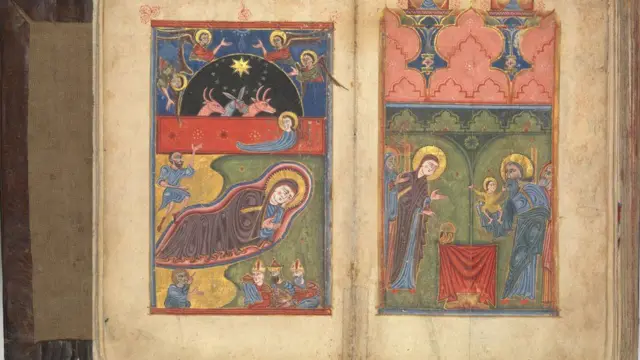
Wia dis foto come from, Getty Images
However, as Jesus' contemporaries die and di following generations realize say di Kingdom no dey come, di need arise to write down wetin dem need to know about am in order to pass am on to di next generations become important.
"Di birth of Jesus for di early Christian religion no dey of importance because di original message na say Jesus die for di sin of mankind and e rise again. And dat na di triumph ova death. Everything else na embellishment," di historian argue.
But, wit di increase of im popularity, di need to know more about di character dey come, and to fill di missing gaps for di biography.
"Dat na why Christianity write di biography of Jesus backward. Di oldest texts refer to di death and resurrection. Den about about im public life, di three years of preaching. And di two texts wey tok about im birth na di most recent, those of Matthew and Luke."
So, if di historical evidence bring us closer to di year 4 B.C., wia di date of year 1 bin come from?
One Byzantine monk of di 5th century, Dionysius di Exiguous, come into di picture.
As Piñero explain, Dionysius, wen e dey for Rome around 497, bin dey commissioned by di Pope to determine di date of Easter in order to reach agreement wit di Eastern churches. And, once dem determine di date of Easter dem ask am to investigate di exact date dem born Jesus.
Dionysius na chronographer, e bin study chronography from di texts wey dey dat time.
"E no get di sources wey historians of today get, so e do as God give am understanding, and e dey wrong," Javier Alonso argue.
Di monk determine say dem born Jesus 753 years afta di founding of Rome, and e mark 754 as di year 1 of di Christian era. Dem impose dis way of numbering di years ova time and, wit am, di error of di date of birth of Jesus.
At dat time, for di Roman world, dem dey measure time by di number of years of di emperor (for example, year 5 of Tiberius, or 4 of Nero) and, for some cities, na by dia foundation date, as e be for di case of Rome.
What about December 25?
Wia dis foto come from, Getty Images
Dionysius no get anything to do am, since e dey established before am.
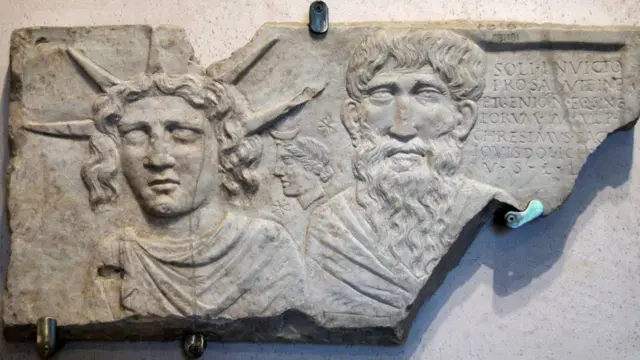
Piñero explain say na "Christian invention": Emperor Theodosius I di Great bin establish Christianity as di only religion of di Roman Empire afta 380 "and wen di church bin go from being persecuted to being a persecutor, e try to add paganism into Christianity paganism".
On December 25, dem dey celebrate di feast of di "unconquered sun", di day wen Zeus, di sun, defeat darkness for di empire.
No more and no less dan di winter solstice, di time wen di days begin to be longer.
Di solstice na on di 21st, "but olden days pipo dey celebrate am on di 25th because na dat day e dey noticeable say di "unconquered sun", wey be, Zeus, defeat di darkness.
And who be di unconquered sun? Well, Jesus. Dat na why dem Christianize di date and dem determine say dem born Jesus on December 25," Antonio Piñero tok.
For dat month, di Romans dey also celebrate di Saturnalia, one feast wey dey dedicated to di god Saturn "wia dem go hang garlands, give gifts and decorate trees like our own for Christmas. In dis way, dem copy dates and customs," Alonso add.
So no be until di 4th century before dem begin celebrate di birth of Jesus.
And wen e become relevant as Christian festivity?
Art fit serve as a clue, di historian explain: for di 6th century church of San Vitale for Ravenna, from di time of Emperor Justinian, "images don already dey ground, for example, of di adoration of di Kings, so dat dem already dey give importance to episodes for di Gospels wey relate to di birth of Jesus".
If di date we celebrate no be di real date wen dem born Jesus, which oda data dey about im birth wey historians consider proven?
Antonio Piñero tok say since di chapters of Matthew and Luke wey speak of Jesus' childhood dey different from each oda, "to di point wey e be like say dem dey tok about two different persons", we fit presumably consider as historical wetin dem agree on. Basically, wey be say dem call im parents Mary and Joseph, say na very religious family and say Jesus na Galilean.