Trump's Hormuz plan - expected or a contradiction?published at 17:50 BST 13 July
 Bernd Debusmann Jr
White House reporter
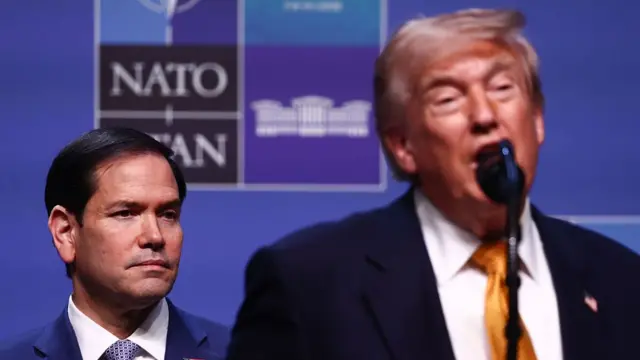 Image source, Getty Images
US Secretary of State Marco Rubio had previously said that no country should "charge tolls or fees on an international waterway"
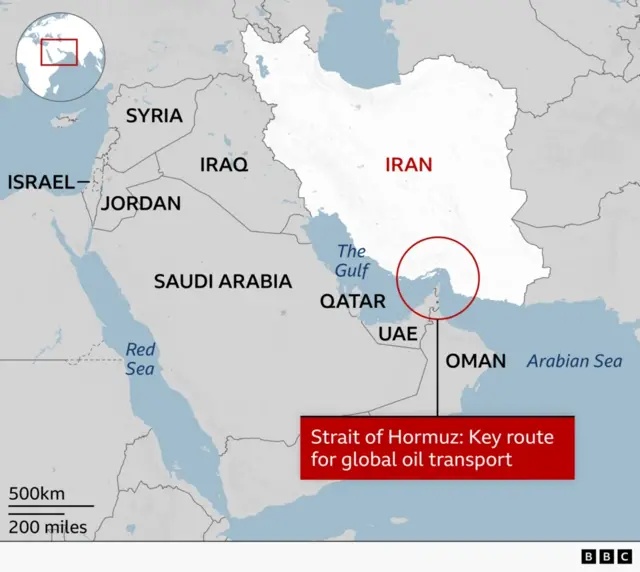
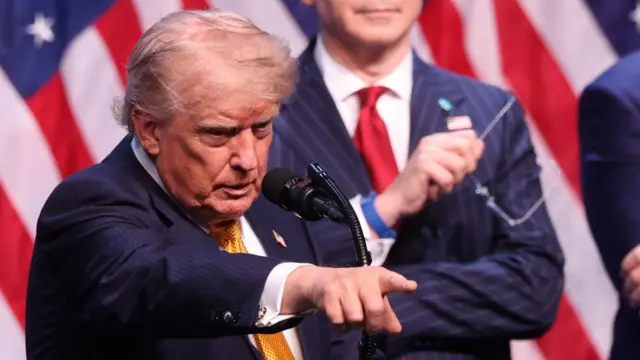
On one hand, President Trump's announcement that the US will impose a 20% toll on all cargo passing through the Strait of Hormuz is one that, broadly, is in line with his foreign policy.
Trump often remarks that US allies do not pay enough for their own defence or security. The US, he claims, shoulders the financial and logistical burden for global security issues.
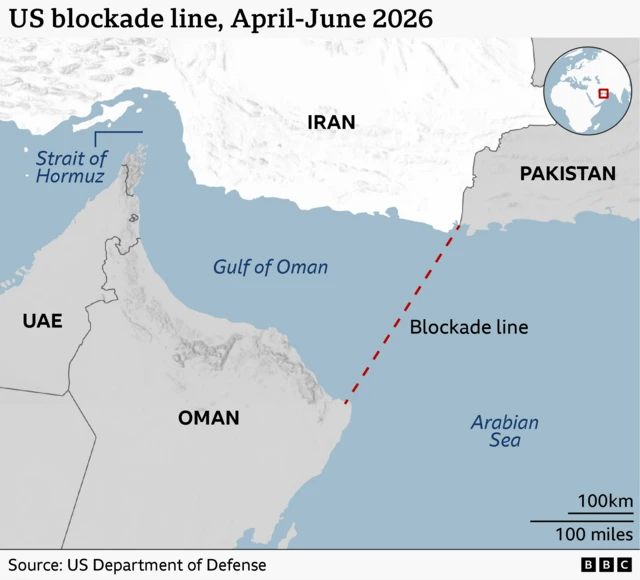
Reimbursement for the heavy commitment of US naval and air power to secure shipping in the Gulf is aligned with that sentiment, even if allied nations push back on it.
On the other hand, it directly contradicts recent statements from his own Secretary of State, Marco Rubio.
"No country is allowed to charge tolls or fees on an international waterway," Rubio told reporters in early July.
"That’s existing international law. That’s the way it is in international waterways all over the world, and that’s the way we expect it’ll be here."
Moving forward, the White House is likely to take steps to publicly differentiate between the tolls Trump announced and those that have been called for by the government in Tehran.