Astronauts busy during loss of communicationpublished at 00:00 BST 7 April
 Pallab Ghosh
Science correspondent
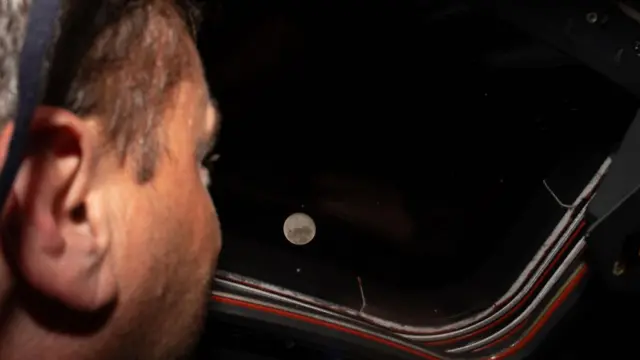
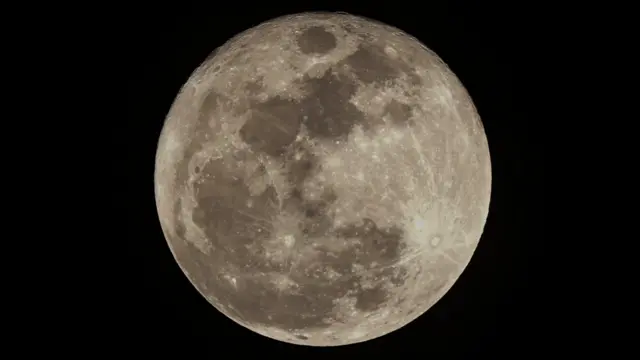
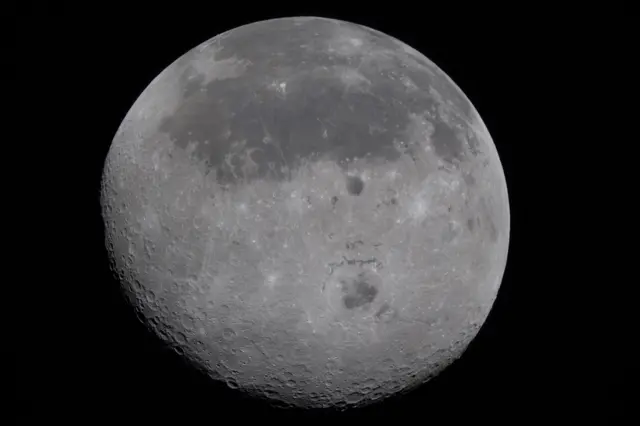
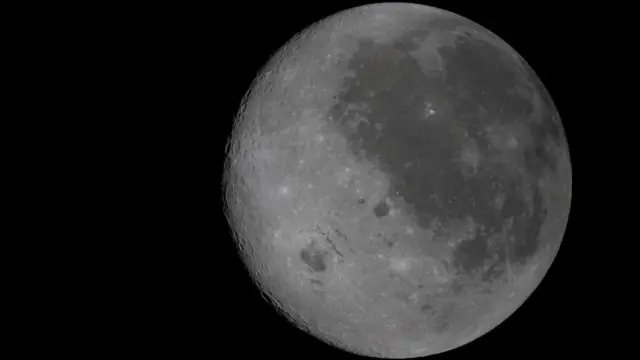
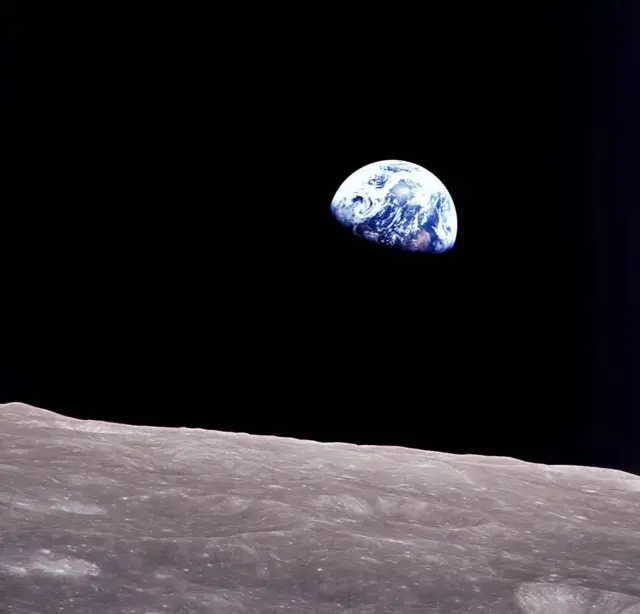
Orion should be at its closest pass to the Moon – a sweeping fly-by that brought the spacecraft to within a few thousand miles of the surface. At that distance, the Moon fills the screen, with craters and mountain chains sliding past in slow, stately motion.
As well as taking vital scientific imagery, this part of the mission is also about grabbing gravity and using its force to hurl the astronauts back home, as if using the Moon like a slingshot.
The crew will be busy. Their cameras will be picking out features that lunar geologists back on Earth are desperate to scrutinise – fresh craters, ancient lava plains and scarps where the Moon’s crust has buckled.
The crew has also been asked to make quick pencil sketches and voice notes, capturing details that even the sharpest images can miss. It’s the kind of observational work that is normally done by astronomers on a mountaintop observatory.
Tonight, it is happening from a capsule sweeping round another world.