|
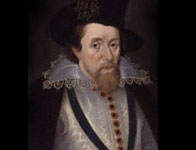
The full implementation of the Plantation project depended on attracting wealthy men in England and Scotland who were willing to invest in the scheme. Individual undertakers required a cash sum of between £500 and £1500 to carry out all the conditions of their Plantation grant. In reality, few of the undertakers could afford even the minimum figure required to develop their new Irish properties. Most of the English undertakers were men of moderate means, with an average income of £200 per annum. In Scotland, King James I used his influence to persuade a number of prominent Scottish noblemen to become chief undertakers but with an average annual income of £150, the majority of the Scottish landlords had even less surplus cash than their English counterparts. The business men associated with the City of London Plantation lands had more access to capital but they were reluctant to invest it in Irish property preferring the more lucrative potential of the British colonies in north America and the West Indies. Some Scottish merchants expressed an interest in becoming undertakers in Ulster but James rejected their overtures in the belief that landlords would have more of the necessary experience and ideological commitment.
The terms of the Plantation grants were beyond the means of most of the undertakers to fulfil them. This helps to explain why so many of the original undertakers sold their grants and withdrew from the Plantation in the early years of the scheme. It also places in context the failure of a significant number of landlords to build on or develop the commercial potential of their estate.
The main beneficiaries of the financial predicament of the initial undertakers were the servitors who bought up grants of Ulster land very cheaply in the 1610s and 1620s. Little is known of the financial circumstances of this group. Most were English and had served in Ireland in the late 16th century, either as soldiers or in the civil administration and had accumulated whatever money they had through their Irish employment. Some also had property interests in other parts of Ireland and only a small number took up residence on their Ulster estates.
The majority of British tenants on the Plantation were Scottish and were attracted to Ireland for economic reasons. Many were living in poverty in their home areas as an expanding population, rising prices and increased unemployment led to serious economic problems in Scotland, particularly in the 1630s when the numbers of Scottish people coming to Ireland soared. Migration to Ireland offered the possibility of immediate escape from dire poverty and the prospect of future prosperity.
The response of rural inhabitants in Scotland to the Plantation was in sharp contrast to that in rural England where relatively few people opted to move to Ulster. The English tenants who did take up residence came from the northern borders of England or had gone to Ireland to work temporarily on the building programme of the Plantation but had been inveigled to stay on as tenants by landlords desperate to fulfil the tenancy terms of their agreements.
 Printable version Printable version
|