|
CATEGORIES | TV | RADIO | COMMUNICATE | WHERE I LIVE | INDEX |  |
SEARCH | |
|
|
|
|
|
|
|
|
|
|
|
|
|
|
|
|
|
|
|
||||||||||||||||||||||||||||
|
 |
|
|
|
|
|
|
||||||||||||||||||||||||||||||||||||||||||||||||||||||||||||||||||||||||||||||||||||||||||||||||||||||||||||||||||||||||||||||||||||||||||||||||||||||||||||||||||||||||||||||||||||||||||||||||||||||||||||||||||||||||||||||||||||||||
|
|
|
You are in: World: South Asia | ||||||||||||||||||||||||||||||||||||||||||||||||||||||||||||||||||||||||||||||||||||||||||||||||||||||||||||||||||||||||||||||||||||||||||||||||||||||||||||||||||||||||||||||||||||||||||||||||||||||||||||||||||||||||||||||||||||||||||
|
|
|
Saturday, 16 November, 2002, 07:46 GMT
Pakistan parliament opens in dispute
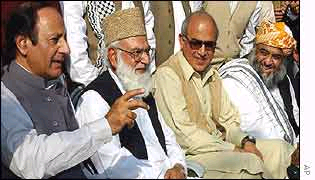
Party leaders have been holding weeks of negotiation
Pakistan's parliament has convened for the first time since General Pervez Musharraf seized power in a military coup more than three years ago.
But it opened amid controversy, as MPs from opposition and religious parties protested at changes in the constitution giving President Musharraf new powers. President Musharraf took the oath of office to begin a new five-year term, and shortly afterwards the session began with a reading from the Koran.
The swearing-in took place after it was established that the oath was the same under both the new and the old constitution. The opposition and religious deputies - who make up nearly half the assembly - are protesting at amendments to the constitution which give President Musharraf the power to dissolve the assembly and set up a national security council. Party alliances Although elections were held more than a month ago, there was no outright winner and parties have been trying to form coalitions since then. The post of prime minister will not be chosen until next week. The inaugural session was due to have taken place last week, but was delayed after some parties asked for more time to form a coalition government. There have been weeks of negotiations between the three parties which won the most seats - the Pakistan Muslim League-Q, which backs President Musharraf, Benazir Bhutto's Pakistan People's Party and an alliance of religious parties. The PMLQ now says it has enough support from a variety of smaller parties to form the new government, although this will only be put to the test next week.
Although the president is usually chosen by the national and provincial parliaments, General Musharraf gave himself five more years in the post as part of his constitutional amendments. |
|
See also:

13 Nov 02 | South Asia
16 Nov 02 | South Asia
Internet links:
The BBC is not responsible for the content of external internet sites Top South Asia stories now:
Links to more South Asia stories are at the foot of the page.
|
||||||||||||||||||||||||||||||||||||||||||||||||||||||||||||||||||||||||||||||||||||||||||||||||||||||||||||||||||||||||||||||||||||||||||||||||||||||||||||||||||||||||||||||||||||||||||||||||||||||||||||||||||||||||||||||||||||||||
|
|
|
 E-mail this story to a friend E-mail this story to a friend |
|
|
|
Links to more South Asia stories |
|
|
|
||
 |
||||
 |
|
|
||
|
----------------------------------------------------------------------------------
To BBC Sport>> | To BBC Weather>> | To BBC World Service>> ---------------------------------------------------------------------------------- © MMIII | News Sources | Privacy 
|