|
CATEGORIES | TV | RADIO | COMMUNICATE | WHERE I LIVE | INDEX |  |
SEARCH | |
|
|
|
|
|
|
|
|
|
|
|
|
|
|
|
|
|
|
|
||||||||||||||||||||||||||||
|
 |
|
|
|
|
|
|
||||||||||||||||||||||||||||||||||||||||||||||||||||||||||||||||||||||||||||||||||||||||||||||||||||||||||||||||||||||||||||||||||||||||
|
|
|
You are in: Scotland | ||||||||||||||||||||||||||||||||||||||||||||||||||||||||||||||||||||||||||||||||||||||||||||||||||||||||||||||||||||||||||||||||||||||||||
|
|
|
Wednesday, 2 October, 2002, 13:54 GMT 14:54 UK
Call for workers' job security
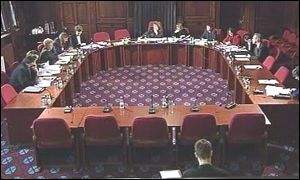
MSPs on the committee are calling for guarantees
Staff employed in public private partnership (PPP) projects should have guaranteed terms and conditions, according to MSPs.
Members of the Scottish Parliament's Finance Committee said they accepted that current regulations covering workers whose jobs move into the public sector have been "reasonably successful". However, the committee said it was keen to see an end to the two-tier system where public and private sector staff have been employed under different terms and conditions. It called for the creation of a central Scottish Executive unit to ensure the public sector builds up a stock of expertise in planning, negotiating, and operating use of PPPs.
In the first six months of this year there were about 90 PPP contracts worth £3bn in Scotland. More than a third of the contracts were awarded by local authorities, and major projects include a £225m plan to modernise Glasgow's schools and the £180m Edinburgh Royal Infirmary. Supporters have argued that the private sector can bring greater efficiency to the project and avoid the delays which have hindered many public projects in the past. They have also argued that PPPs can be cheaper because the cost can be spread out over years. Early stage consultation Critics, including trades unions, have warned that these gains can take place at the expense of workers' wages and conditions. They assert that public authorities can be saddled with regular heavy payments for up to 25 years or more. The committee made a series of recommendations but did not oppose PPPs. Des McNulty, the Labour convener of the committee, said: "Our report is balanced, identifying further lessons which must be learnt from the experience of PPP in Scotland and highlighting employment issues in particular, as matters to be tackled.
Two Scottish National Party members of the committee, Alasdair Morgan and Brian Adam, argued against some parts of the final report, but were defeated in committee votes. The report recommended protection for workers' terms and conditions and for early stage consultation of workers and unions. It called for clear Scottish Executive guidelines for councils and other bodies in deciding what types and sizes of projects were best suited to PPP funding. The MSPs also called on the executive to "clarify" each year how much money was going to be available for potential projects. As a "matter of urgency", the committee called for improvements in comparing the cost of PPPs with the cost of traditional public sector funding. Finance Minister Andy Kerr welcomed the report and said action was under way on some issues raised. 'Not-for-profit trusts' He said: "For example, we are already working with the STUC to end the two-tier workforce and the cabinet will consider how to take that forward very soon. "In addition, the Scottish Executive now has a central resource which is able to offer advice and assistance on PPP projects." Giving the SNP's response, Mr Morgan said: "The SNP believe that if we are to realise our potential to improve our public services, we must put patients before profit and schools before shareholders. "This will only be achieved through the use of not-for-profit trusts, not through the use of discredited PPP schemes." Union Unison said the findings highlighted the need for a review of PPP projects. "We particularly welcome the commitment to protect employment conditions of workers," said Scottish secretary Matt Smith. |
|
See also:

20 Aug 02 | Scotland
09 Aug 02 | Scotland
15 Apr 02 | Scotland
12 Apr 02 | Scotland
20 Nov 01 | Scotland
01 Sep 01 | Scotland
Internet links:
The BBC is not responsible for the content of external internet sites Top Scotland stories now:
Links to more Scotland stories are at the foot of the page.
|
||||||||||||||||||||||||||||||||||||||||||||||||||||||||||||||||||||||||||||||||||||||||||||||||||||||||||||||||||||||||||||||||||||||||
|
|
|
 E-mail this story to a friend E-mail this story to a friend |
|
|
|
Links to more Scotland stories |
|
|
|
||
 |
||||
 |
|
|
||
|
----------------------------------------------------------------------------------
To BBC Sport>> | To BBC Weather>> | To BBC World Service>> ---------------------------------------------------------------------------------- © MMIII | News Sources | Privacy 
|