|
CATEGORIES | TV | RADIO | COMMUNICATE | WHERE I LIVE | INDEX |  |
SEARCH | |
|
|
|
|
|
|
|
|
|
|
|
|
|
|
|
|
|
|
|
||||||||||||||||||||||||||||
|
 |
|
|
|
|
|
|
|||||||||||||||||||||||||||||||||||||||||||||||||||||||||||||||||||||||||||||||||||||||||||||||||||||||||||||||||||||||||||||||||||||||||||||||||||||||||||||||||||||||||||||||||
|
|
|
You are in: England | |||||||||||||||||||||||||||||||||||||||||||||||||||||||||||||||||||||||||||||||||||||||||||||||||||||||||||||||||||||||||||||||||||||||||||||||||||||||||||||||||||||||||||||||||||
|
|
|
Thursday, 23 May, 2002, 19:54 GMT 20:54 UK
Norfolk cockling ban is over
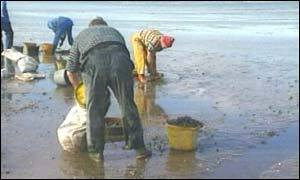
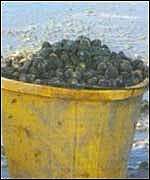
Cocklers can start harvesting around the Wash
A ban on cockle harvesting in North Norfolk has been lifted after latest sample testing for toxins proved negative.
People are now being advised that it is safe to eat cockles harvested from the stretch of coast around the Wash including Heacham, Hunstanton and Holme-next-the Sea. Tests for the toxins that cause diarrhetic shellfish poisoning (DSP) will still be done on every two weeks. King's Lynn and West Norfolk Borough Council environmental health officer Peter Scott says it means cockle fishermen can get going as soon as the season opens in July.
"It does take while to set boats up for cockling so they need to know they can to out and do their job when the season opens in July. "It only lasts for six or seven weeks so they can conserve stocks." Any collecting of cockles from beaches was banned earlier this year because the toxins, which are naturally-occurring, can cause violent stomach upsets. The ban did not affect the commercial fishing because the season does not start until July, or cockles on sale in shops which are either frozen or come from elsewhere.
DSP toxins were first detected in UK shellfish in a batch of cockles from the Thames Estuary in June 1991 and the problems appears to be getting worse. Shellfish beds along the Thames Estuary become contaminated with the poisons in June 2001. Fishermen on the Essex side were ordered not to collect cockles, mussels, clams and oysters because of the risk of severe diarrhoea and sickness in anyone who ate them.
|
|
  See also:
12 Jun 01 | UK
14 Jan 01 | Wales
24 Aug 99 | N Ireland
10 Jul 98 | Health
Internet links:
The BBC is not responsible for the content of external internet sites Top England stories now:
Links to more England stories are at the foot of the page.
|
|||||||||||||||||||||||||||||||||||||||||||||||||||||||||||||||||||||||||||||||||||||||||||||||||||||||||||||||||||||||||||||||||||||||||||||||||||||||||||||||||||||||||||||||||
|
|
|
 E-mail this story to a friend E-mail this story to a friend |
|
|
|
Links to more England stories |
|
|
|
||
 |
||||
 |
|
|
||
|
----------------------------------------------------------------------------------
To BBC Sport>> | To BBC Weather>> | To BBC World Service>> ---------------------------------------------------------------------------------- © MMIII | News Sources | Privacy 
|