
 |
CATEGORIES | TV | RADIO | COMMUNICATE | WHERE I LIVE | INDEX |  |
SEARCH | |
|
|
|
|
|
|
|
|
|
|
|
|
|
|
|
|
|
|
|
||||||||||||||||||||||||||||
|
 |
|
|
|
|
|
|
|||||||||||||||||||||||||||||||||||||||||||||||||||||||||||||||||||||||||||||||||||||||||||||||||||||||||||||||||||||||||||||||||||||||||||||||||||||||||||
|
|
|
You are in: Business | |||||||||||||||||||||||||||||||||||||||||||||||||||||||||||||||||||||||||||||||||||||||||||||||||||||||||||||||||||||||||||||||||||||||||||||||||||||||||||||
|
|
|
Thursday, 7 November, 2002, 08:10 GMT
Bangladesh dollar crisis
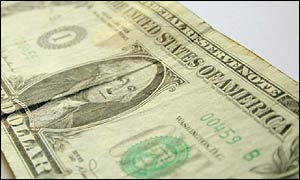
The unusual rise in dollar prices began a week ago
Officials of the Bangladesh Bank say two large commercial banks have been asked to sell dollars in the market. And the central bank itself imposed restrictions on so-called forward sales of the greenback, where investors agree currency trades at a certain point in the future and at an agreed price. The crisis forced the authorities to abandon their plan of letting the Bangladesh'scurrency, the taka, float freely by the end of the year. Unusual Bankers say the taka's unusual decline began a week ago, when several private commercial banks said they would put up the money for key imports, but failed to make sure they had the foreign currency to do so. Experts say that Bangladesh's foreign exchange market usually sees a rise of the US dollar in the run-up to the holy month of Ramadan, but this year's surge was rather unusual. In just one week, the dollar surged 5%, prompting the central bank to intervene in the markets. Officials at Bangladesh Bank say they did not intervene in the market earlier, because the central bank itself was purchasing dollars from the market to pay import bills through the Asian Clearing Union (or ACU). Cash payments by the government for importing oil also led to a short supply of dollars in the market. Restrictions On Wednesday, following a meeting between the finance minister and the central bank governor, two large public commercial banks sold $20m, which in turn brought down the price substantially. Central bank governor Dr Fakhruddin Ahmed told the BBC he also imposed some restrictions on forward selling of dollars by the bank, which will ensure the supply of dollars in the market. But the crisis has forced the government to backtrack from its earlier plan to introduce a floating exchange rate by the end of this year. Finance Minister Saifur Rahman said present reserves of hard currencies were not large enough to allow the Bangladeshi taka float freely and the plan had been abandoned temporarily. He said the government would not abandon foreign exchange restrictions before it had accumulated reserves of more than $3bn. Last week the country's foreign exchange reserves stood at about $1.8bn.
|
|
See also:

30 Oct 02 | Business
04 Oct 02 | Business
04 Sep 02 | Business
29 Aug 02 | Business
24 Jul 02 | Business
Internet links:
The BBC is not responsible for the content of external internet sites Top Business stories now:
Links to more Business stories are at the foot of the page.
|
|||||||||||||||||||||||||||||||||||||||||||||||||||||||||||||||||||||||||||||||||||||||||||||||||||||||||||||||||||||||||||||||||||||||||||||||||||||||||||
|
|
|
 E-mail this story to a friend E-mail this story to a friend |
|
|
|
Links to more Business stories |
|
|
|
||
 |
||||
 |
|
|
||
|
----------------------------------------------------------------------------------
To BBC Sport>> | To BBC Weather>> | To BBC World Service>> ---------------------------------------------------------------------------------- © MMIII | News Sources | Privacy 
|





