|
CATEGORIES | TV | RADIO | COMMUNICATE | WHERE I LIVE | INDEX |  |
SEARCH | |
|
|
|
|
|
|
|
|
|
|
|
|
|
|
|
|
|
|
|
||||||||||||||||||||||||||||
|
 |
|
|
|
|
|
|
|||||||||||||||||||||||||||||||||||||||||||||||||||||||||||||||||||||||||||||||||||||||||||||||||||||||||||||||||||||||||||||||||||||||||||||
|
|
|
You are in: Health | |||||||||||||||||||||||||||||||||||||||||||||||||||||||||||||||||||||||||||||||||||||||||||||||||||||||||||||||||||||||||||||||||||||||||||||||
|
|
|
Monday, 18 November, 2002, 18:09 GMT
Judge continues in DVT case
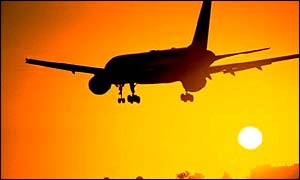
The airlines deny any liability for DVT
A landmark court case centred on a serious medical condition sometimes contracted by long haul flyers has resumed after the presiding judge sold his British Airways shares.
Fifty-five people have launched a legal battle against 27 airlines, claiming they were insufficiently warned about the risk of deep vein thrombosis (DVT), also known as economy class syndrome. British Airways (BA) is one of the airlines that denies the accusation it breached its duty of care. The case was adjourned last month after Mr Justice Nelson revealed two days into the hearing at the High Court in London that he had 1,450 BA shares. On Tuesday none of the parties involved raised any objection to the judge continuing to hear the case. Compensation battle He had previously told the court he sold his shares in the company after a newspaper article about BA reminded him about them. He said the shares would have been "absolutely incapable" of affecting his decision, but parties had to be given the opportunity to consider if he should continue to hear the case. The hearing will consider whether DVT can be classed as an accident under the terms of the 70-year-old Warsaw Convention. This could lead to airlines having to pay out significant damages to victims or their families. Aircraft seating DVT is a condition where a small blood clot forms in the deep veins, particularly in the legs, and complications in other organs can lead to death. BA and the other airlines deny they made "acts and omissions", including having seating too close together and failing to warn passengers of the dangers. The airlines are expected to argue they are protected under the Warsaw Convention from paying compensation for medical problems classed as a passenger reaction to the normal operation of an aircraft. The case was adjourned until Wednesday.
|
|
See also:

06 Nov 02 | Health
05 Nov 02 | Health
29 Oct 01 | Health
21 Jan 02 | Health
15 Jan 02 | Health
Internet links:
The BBC is not responsible for the content of external internet sites Top Health stories now:
Links to more Health stories are at the foot of the page.
|
|||||||||||||||||||||||||||||||||||||||||||||||||||||||||||||||||||||||||||||||||||||||||||||||||||||||||||||||||||||||||||||||||||||||||||||
|
|
|
 E-mail this story to a friend E-mail this story to a friend |
|
|
|
Links to more Health stories |
|
|
|
||
 |
||||
 |
|
|
||
|
----------------------------------------------------------------------------------
To BBC Sport>> | To BBC Weather>> | To BBC World Service>> ---------------------------------------------------------------------------------- © MMIII | News Sources | Privacy ~RS~a~RS~Domestic~RS~q~RS~~RS~z~RS~59~RS~)
|