BBC HomeExplore the BBC
This page has been archived and is no longer updated. Find out more about page archiving.

29 October 2014
Accessibility help
Text only
me and my health

BBC Homepage
Wales home

Contact Us

Like this page?
Send it to a friend!

 
Under the Doctor

The effects of thalidomide

Thalidomide

In the late 1950s, thalidomide was given to pregnant women as a cure for morning sickness, but the drug caused severe impairments in their babies.


Doctors in the middle ages

Middle Ages medicine

Doctors in the Middle Ages employed some of the techniques of modern doctors, although not all practices have survived. The practice of Uroscopy meant looking, smelling and even tasting patients' urine to provide a diagnosis.


Herbal remedies

Herbal medicines

Knowledge of herbal medicines has been passed on from one generation to the next for hundreds of years, but as society becomes more industrialised this knowledge is being lost.


Superstitious cures for disease

Charm cures

Traditionally, charms and superstitious 'cures' for various medical ailments worked on peoples' fear of coming to harm. However, even with modern medicines, these practices haven't died out completely.


Wales's first hospitals

Quarry hospitals

Accidents at work killed more people in Wales than diseases such as cholera or influenza. Quarry hospitals therefore sprung up in industrial areas, such as the slate mining areas of North Wales.


Modern medicine

Old cures, new medicine

Modern science has enabled us to synthesise new medicinal compounds not found in nature, but that hasn't prevented research into traditional remedies to discover what made these old cures effective.


Cholera takes hold

Cholera takes hold

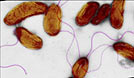
As the Industrial Revolution took hold, people moved from rural to urban areas. The cramped living conditions were an ideal breeding ground for Cholera.


Cholera hits Cardiff

The worst outbreak of Cholera in Wales was in Cardiff in 1849. The drinking water for the town was drawn either from the River Taff or Glamorganshire canal - also where the town's sewage was dumped.


Tuberculosis in Wales

Tuberculosis in Wales

Tuberculosis was the biggest killer in Wales at the turn of the 20th century. Wales was the TB blackspot of Europe, and the TB blackspot of Wales were the quarrylands of north Wales.


Influenza pandemic

Influenza pandemic

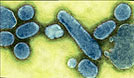
By 1918, a world exhausted by fighting was exposed to a form of the flu that the majority of people had not suffered from before. The effect was shattering.


Potential bird flu epidemic

Bird flu epidemic

Epidemics of diseases appear to occur every 30 to 40 years. As bird flu spreads from Asia and across Europe and Africa, there are fears that we are due another global pandemic of influenza soon.


View the flash version

This is the non-flash version. If you've arrived at this page it could mean that you don't have the Flash plug-in. You can download Flash for free. BBC WebWise has a step-by-step guide to plug-ins to help you.

The weird, wonderful and often gruesome medical history of Wales comes under the microscope in this new series.

From the devastating onslaught of the plague, via the development of surgical procedures and onto improvements in hygiene, Under the Doctor: A Medical History of Wales will bring every weeping boil and agonising anaesthesia-free operation to life.

Combining interviews with experts and realistic re-enactments of what it was like to live with infectious diseases like cholera, the programme will take viewers on a journey through Welsh health history.

The first programme in a series of four takes a closer look at the various infectious diseases to have hit the nation, starting with the bubonic plague or Black Death, a disease carried on the backs of rats which killed a third of the population of medieval Europe.

At its height in August 1849, cholera was claiming 30 victims per day.

Contributor, professor Dafydd Johnston of Swansea University says that some of the most valuable information about the plague came from Welsh poets who lost their own children to the disease.

"It would destroy whole families and even villages and there seemed to be a sense in their verses that family life itself was under threat," says Prof Johnston.

In the 1800s, another invisible killer hit Wales - cholera - a truly terrifying illness that would kill sufferers rapidly and cruelly. Carried in the water supply, the disease spread quickly from Cardiff up to Merthyr and beyond in 1849, and Under The Doctor unveils in gruesome detail just how devastating cholera was for its first Welsh victim, William Stiff. At its height in August 1849, cholera was claiming 30 victims per day. Something needed to be done and the programme reveals that Dr Henry Payne of Cardiff pushed through radical improvements in the town's water supply to banish the disease.

Next Wales faced up to tuberculosis which has been a thorn in the side of the nation's health for centuries and particularly affected those workers who would frequently come into contact with dust - coal miners and quarrymen.

Contributor Dr Russell Davies from Aberystwyth University talks about the work of philanthropist and businessman David Davies who founded an organisation which provided free care for TB sufferers in the form of the sanatoria. The programme also brings the on-going threat of infectious diseases right up to date with the latest theories on the overdue flu pandemic, and an explanation of the bird flu menace.

Under the Doctor: A Medical History of Wales is a Telesgop production for BBC Wales.


About the BBC | Help | Terms of Use | Privacy & Cookies Policy