6 must-see museums of Xi’an
Historical relics, paintings and calligraphy
Dive deeper into Xi'an's rich history by visiting one of its many museums. Here's a guide to eight of the best to see during your stay.
Forest of Steles Museum
Intricate stone carvings
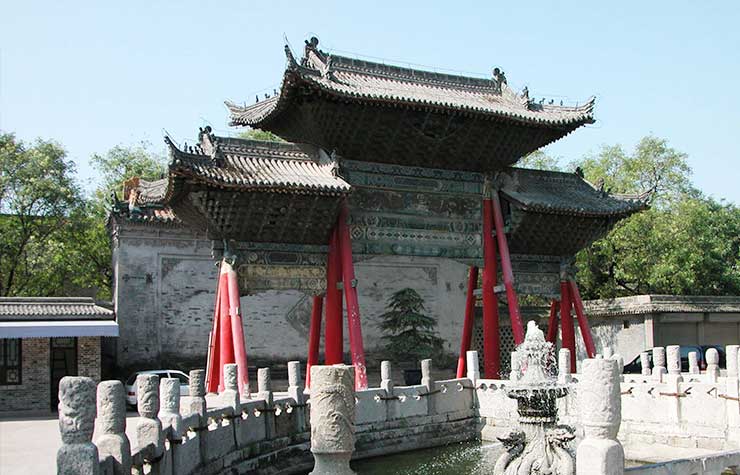
Steles are stone carvings and this collection of over 3,000 depict everything from important historical records to paintings and calligraphy.
Origins of Chinese Christianity
Most notably, the Nestorian Stele is a Tang Chinese carving that marks the origin of Christianity in China with its description of early Christian settlements, and the Kaicheng Shi Jing Stele, which is inscribed with 12 classical Chinese texts dating back to 900 CE.
Here, visitors can buy ink rubbings of the most prominent examples to take home.
Shaanxi History Museum
The wonder of the Empress's Seal
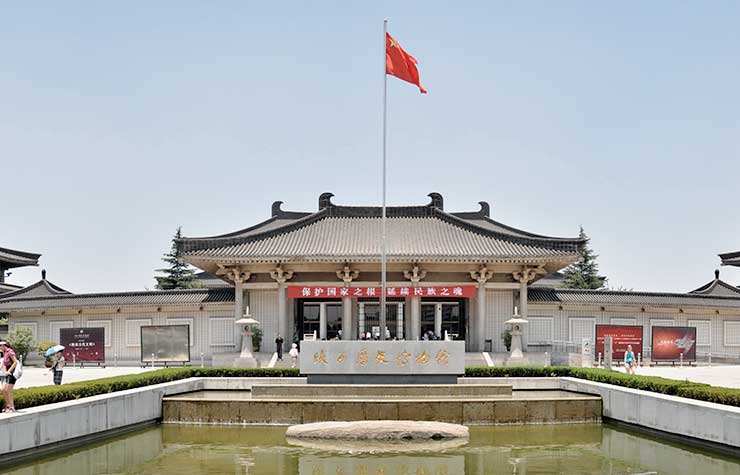
Located north-west of the Giant Wild Goose Pagoda, this museum houses over 370,000 ancient artefacts including murals, paintings, pottery and precious metallic objects.
The Lantian Man excavation
Here, visitors can discover fossils from the Lantian Man excavation. One of the human race’s oldest ancestors, the Lantian man was thought to have lived over 1.7 million years ago.
You can also see the wonder of the Empress's Seal – an ornate jade seal excavated from the tomb of the first emperor of the Han Dynasty. This particular artefact has now become one of the most important imperial seals ever to be found in China.
Banpo Museum
Resurrecting the Neolithic settlement
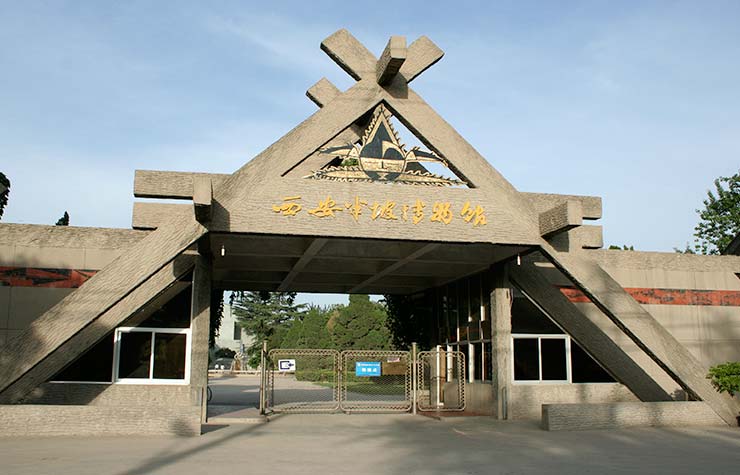
Based around the excavated site of Banpo, this site brings the Neolithic settlement back to life with its reconstructed houses and ornate earthenware.
Historical importance
Ornate earthenware pieces have been carbon dated to nearly seven millennia ago and some historical rumours point towards Banpo being a matriarchal, or female-led, society. The additional grave spectacle of bodily remains and skeletal finds on show provides a human reminder of its historical importance.
Xi'an Museum
A multifunctional museum and park space
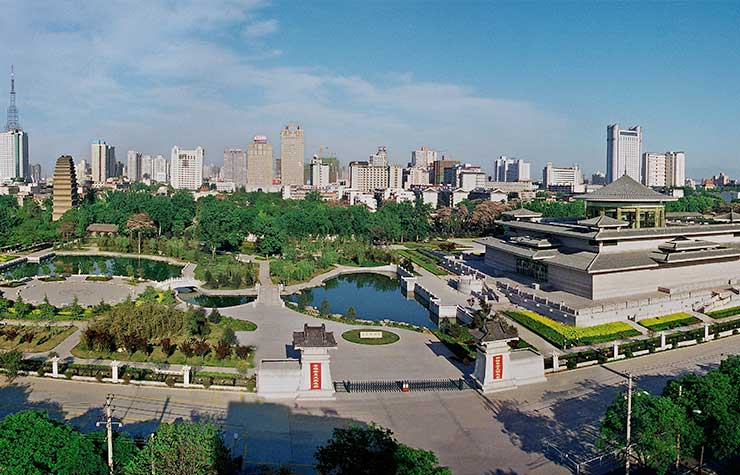
This ambitious complex is the first multi-functional museum as it integrates a main collection and museum building, a range of monuments and a park for tourists to walk around and enjoy the atmosphere.
Cultural importance
A high-grade culture and leisure venue, it is centred on the Small Wild Goose Pagoda, a Tang Dynasty-style structure under national heritage protection. The museum has a massive collection that spans over 130,000 pieces –14,400 of which are rated at China's highest level of cultural importance.
Lintong Museum
A dazzling pearl of spirituality
For an overview of how Xi'an’s culture has developed over the centuries, take in the work on show at the Lintong Museum.
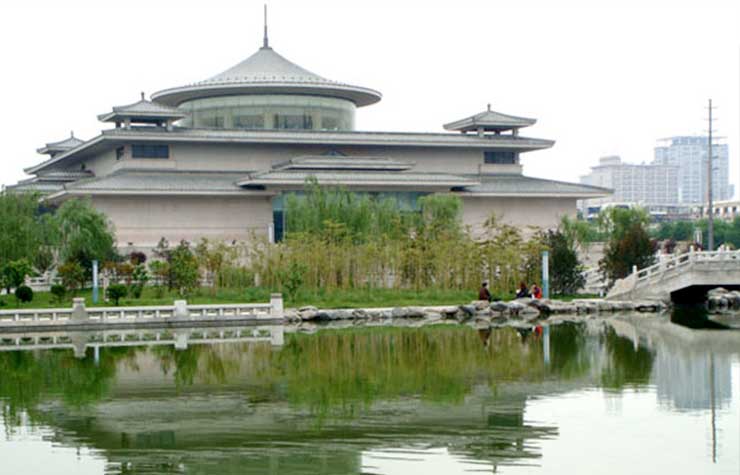
7,000 years of history artifacts
Taking you on a journey from prehistoric times through to the Ming and Qing dynasties, you'll travel through 7,000 years of history via its collection of 10,000 relics.
Rare specimens include gold and silver coffins excavated from the Tangqing-shan Temple and bronze ware that dates back to 771 BCE. Furthermore, there are a large number of ancient Buddhist scriptures, giving the museum a sacred quality. With over 584 Buddhist artefacts on permanent show, the museum is a dazzling pearl of spirituality in the sea of heritage on offer in Xi'an.
Museum of Qin Terracotta Warriors and Horses
Qin Shi Huang guardian army
The jewel in the crown of Xi’an’s historical exhibits, this stunning assortment of over 8,000 terracotta soldiers dates as far back as third century BCE. They were built for the emperor Qin Shi Huang, who was the first ruler of the unified Chinese states.
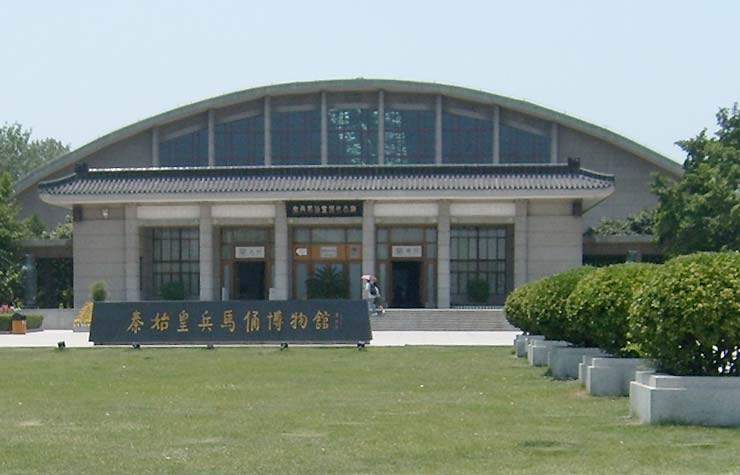
To rule in death as he had in life
The vast army was constructed because either the emperor was terrified of the vanquished spirits awaiting him in the afterlife, or – as most archaeologists believe – he expected his rule to continue in death as it had in life.
These guardians offer some of the greatest insights we have into the world of ancient China, but the discovery of this grand spectacle was entirely by chance. Uncovered as recently as 1974, the statues were only found when farmers were digging a well just 1.6km from the tomb itself. The statues are still studied intensively by international scholars and no trip to the city is complete without taking in this awe-inspiring display.