  |
 |
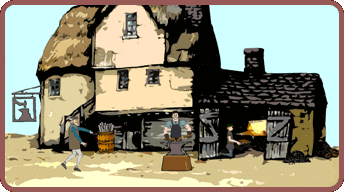
Blacksmith
· All craftsmen who work with metal in the burgh are members
of the Hammerman's guild.
· Silversmiths, goldsmiths, blacksmiths and armourers are all
Hammermen.
· A blacksmith makes goods such as tools, cooking utensils and
horseshoes.
· The Hammerman's guild ensures that its members are trained
correctly and that their work is of a high enough standard and fairly
priced. The guild also looks after any members, and their families,
should they die or become ill.
· All the other burgh crafts have a separate guild to look after
them. |
 |
Apprentice
· To become a blacksmith, or a craftsman of any kind, it is
necessary to serve an apprenticeship.
· A blacksmith's apprentice works for his master for 5 years,
earning only bed and board.
· After 5 years, an apprentice must forge a master piece for
the Hammermen's guild to judge. An apprentice is only allowed to enter
the guild if the guild decides his work is of a high enough standard,
and he pays a fee. |
 |
Windows
Some houses have wooden shutters, instead of glass, to cover the windows.
|
|
 |
 |
Roofs
Only roofs on very important buildings such as churches are slated,
others are thatched. |
 |
Blacksmith's sign
Most craftsmen and women do not sell their goods in a shop. They either
make goods to order or sell their goods at the market. Hammermen make
all things made of metal. Baxters make bread. Fleshers deal with meat.
Cordiners make and mend shoes, and Websters weave woollen or linen
cloth. All craftsmen must serve an apprenticeship and join a guild
before they can operate. |
|





